Highline Mushrooms: How a Crossfield Operation Became One of Canada's Largest Producers
Highline Mushrooms operates on a scale that most Canadian growers never approach. With facilities in Crossfield, Alberta; Leamington and Kingsville, Ontario; Langley, British Columbia; and Montreal, Quebec, the company has built a coast-to-coast mushroom production network that supplies major grocery chains across the country.
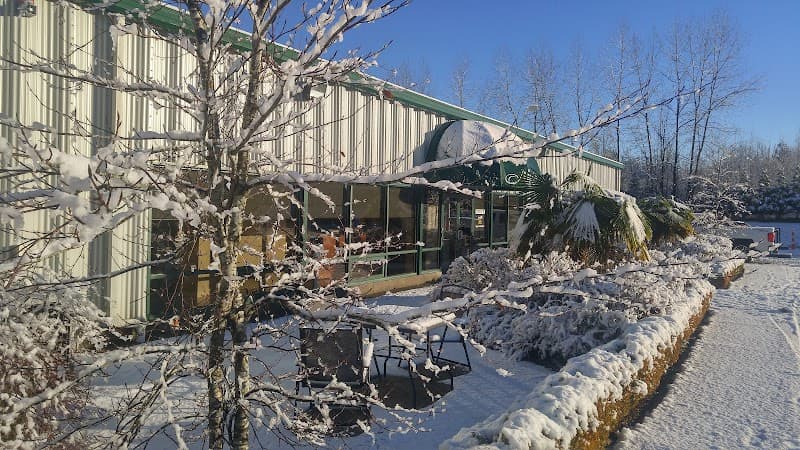
The Crossfield facility, situated about 50 kilometers north of Calgary, serves as a central hub for their western operations. With a 4.5-star rating across 137 reviews, the Alberta location reflects the kind of consistency you would expect from a producer operating at this level — not flashy, but reliable.
From Regional Grower to National Supplier
Highline's growth into one of Canada's largest mushroom producers did not happen overnight. The company expanded methodically, establishing growing facilities in key agricultural regions that give them proximity to major population centers. Leamington and Kingsville sit in Ontario's greenhouse capital. Langley puts them in the heart of British Columbia's Lower Mainland agricultural belt. Montreal covers the Quebec market. And Crossfield anchors the prairies.
This geographic spread is not just about logistics. Mushroom cultivation is sensitive to transport conditions, and shorter distances between farm and shelf mean fresher product. For a commodity like white button mushrooms, where consumers can easily spot age, that matters.
What They Grow
Highline's core production covers the varieties that move volume in Canadian grocery stores: white button mushrooms, cremini, and portobello. These three account for the vast majority of commercial mushroom sales in Canada, and Highline is a major reason they stay consistently stocked on shelves from coast to coast.
Beyond the staples, Highline has expanded into specialty varieties, responding to the growing consumer interest in mushrooms beyond the standard white button. Their organic certification adds another layer, giving retailers an option for the organic produce section without sourcing from smaller, less consistent suppliers.
The Sustainability Question
Highline has made sustainability a visible part of their corporate identity. Commercial mushroom production generates significant volumes of spent substrate — the material mushrooms grow on after it has been colonized and exhausted. How a large producer handles that waste stream says a lot about their operations.
Mushroom cultivation also has some inherent environmental advantages that Highline can legitimately point to. Compared to most forms of agriculture, mushroom farming uses relatively little water and land per kilogram of food produced. The growing process recycles agricultural byproducts — straw, manure, gypsum — into food.
Working at Scale
For the Canadian mushroom industry, Highline represents the industrial end of the spectrum. They are not a farm you visit on a Saturday morning to pick up a bag of oyster mushrooms. They are the reason your local grocery store has fresh cremini on the shelf every single day of the year, regardless of season or weather. That kind of reliability is its own form of craft, even if it looks nothing like a small farm operation.