Whether you're a curious beginner planning your first grow or a small-farm operator scaling production, having the right mushroom growing supplies makes the difference between frustration and a successful harvest. Canada's mushroom cultivation community has grown rapidly in recent years, driven by interest in gourmet cooking, functional health, and local food production. But navigating the world of supplies — from grow kits and grain spawn to flow hoods and autoclaves — can be overwhelming when you're starting out.
This guide breaks down every category of mushroom growing supplies you'll need in Canada, from absolute beginner essentials through intermediate lab work to full commercial setups. We'll explain what each item does, why it matters, and where to find it.
Essential Supplies for Beginners
If you've never grown a mushroom before, start simple. You don't need a lab, a pressure cooker, or any specialized equipment to get your first harvest. Here's what to begin with.
Mushroom Grow Kits
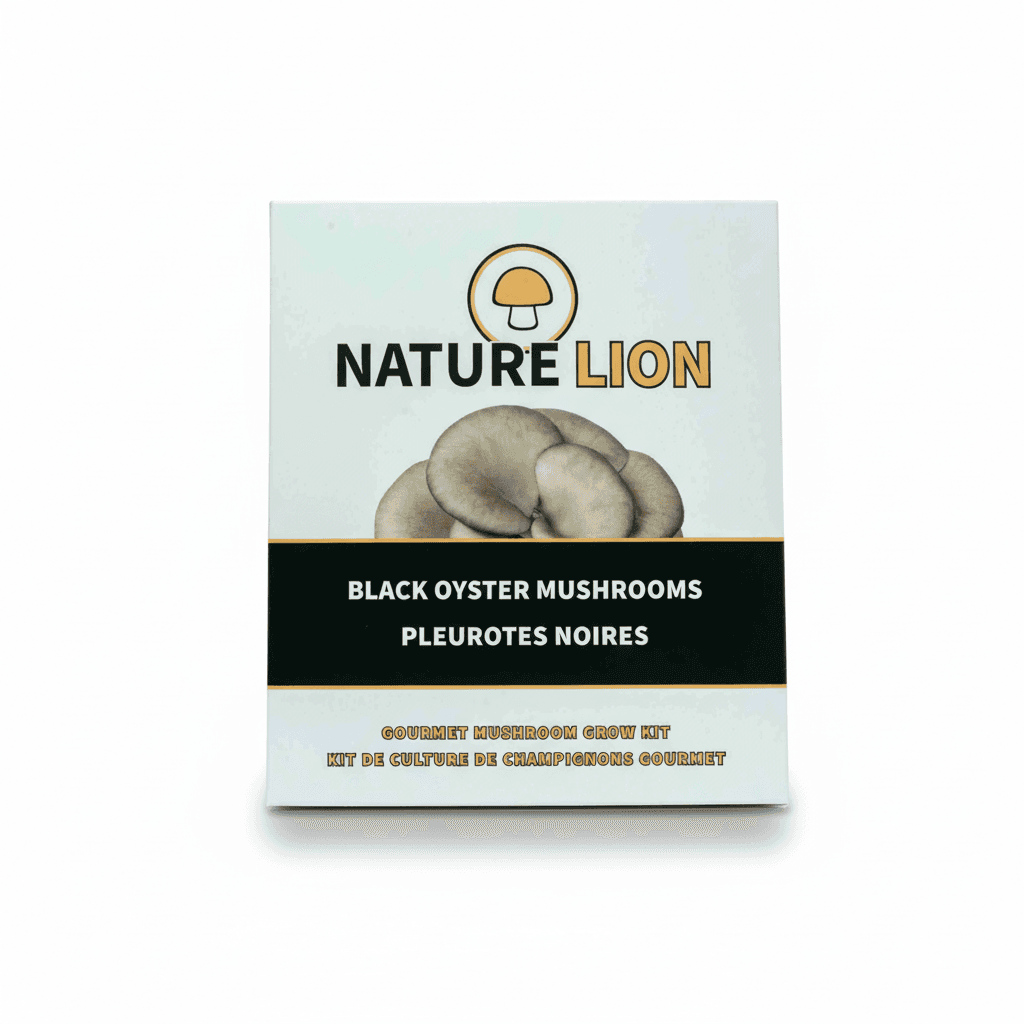
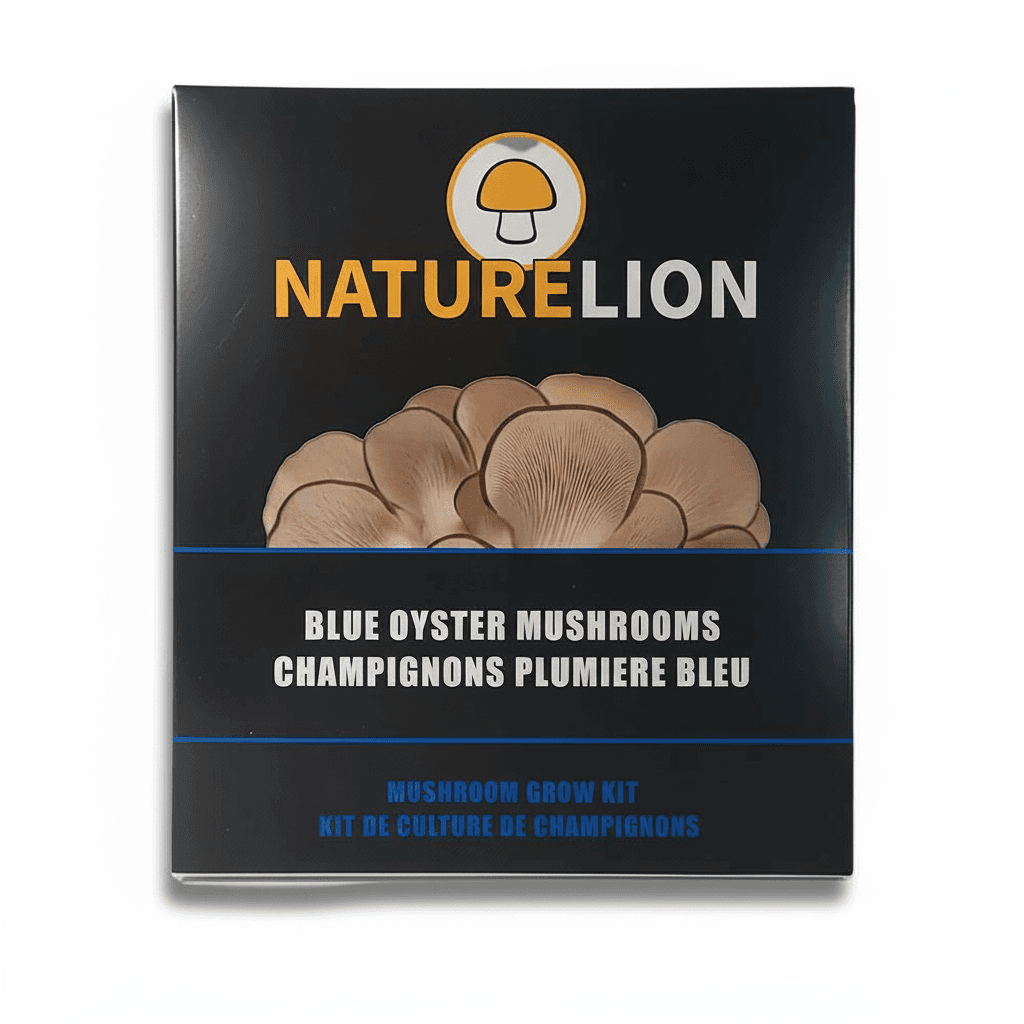
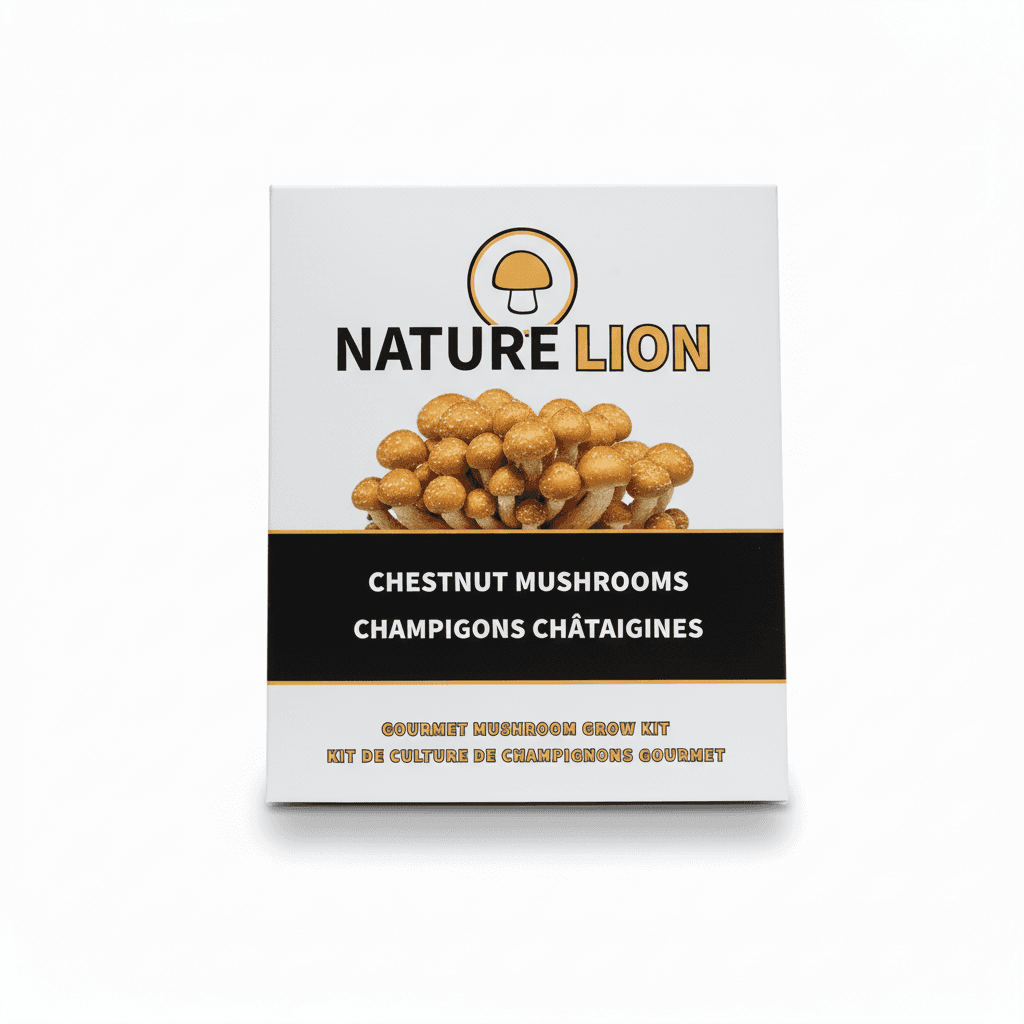
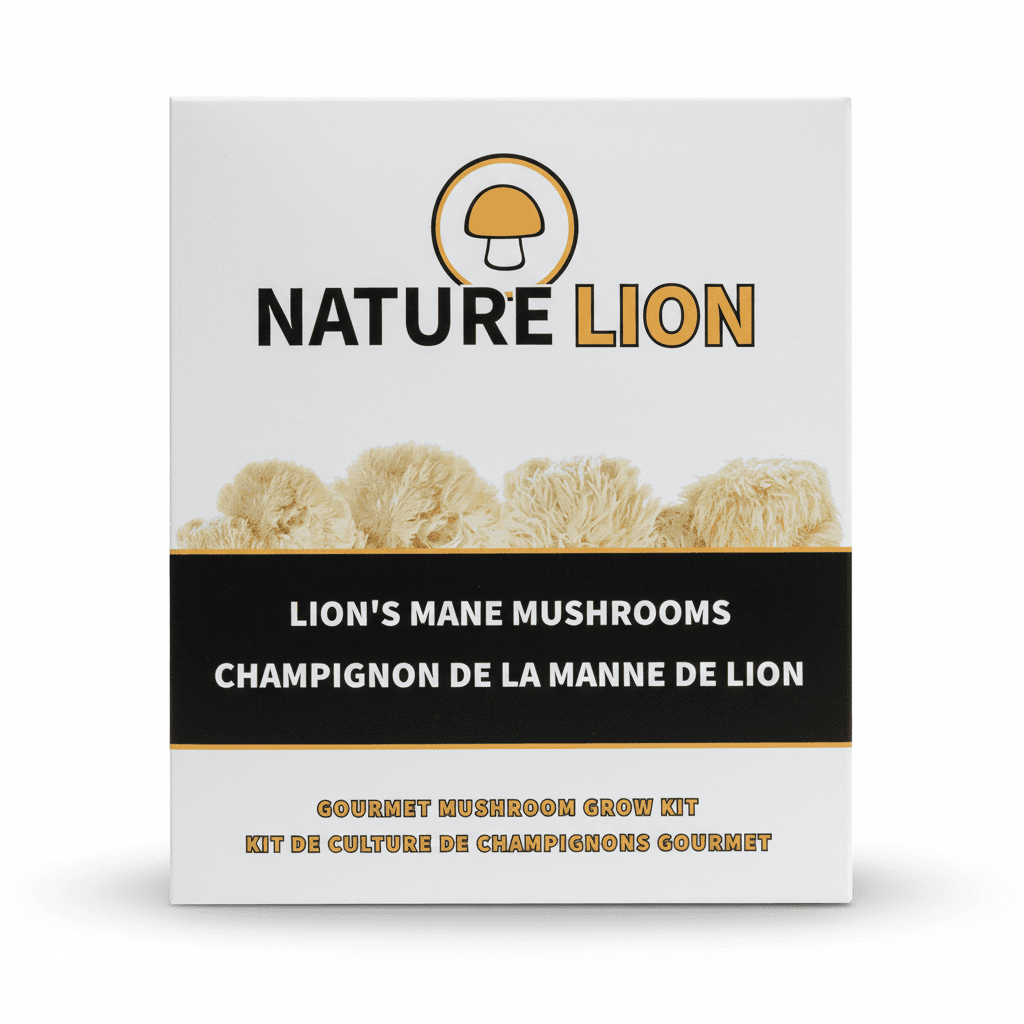
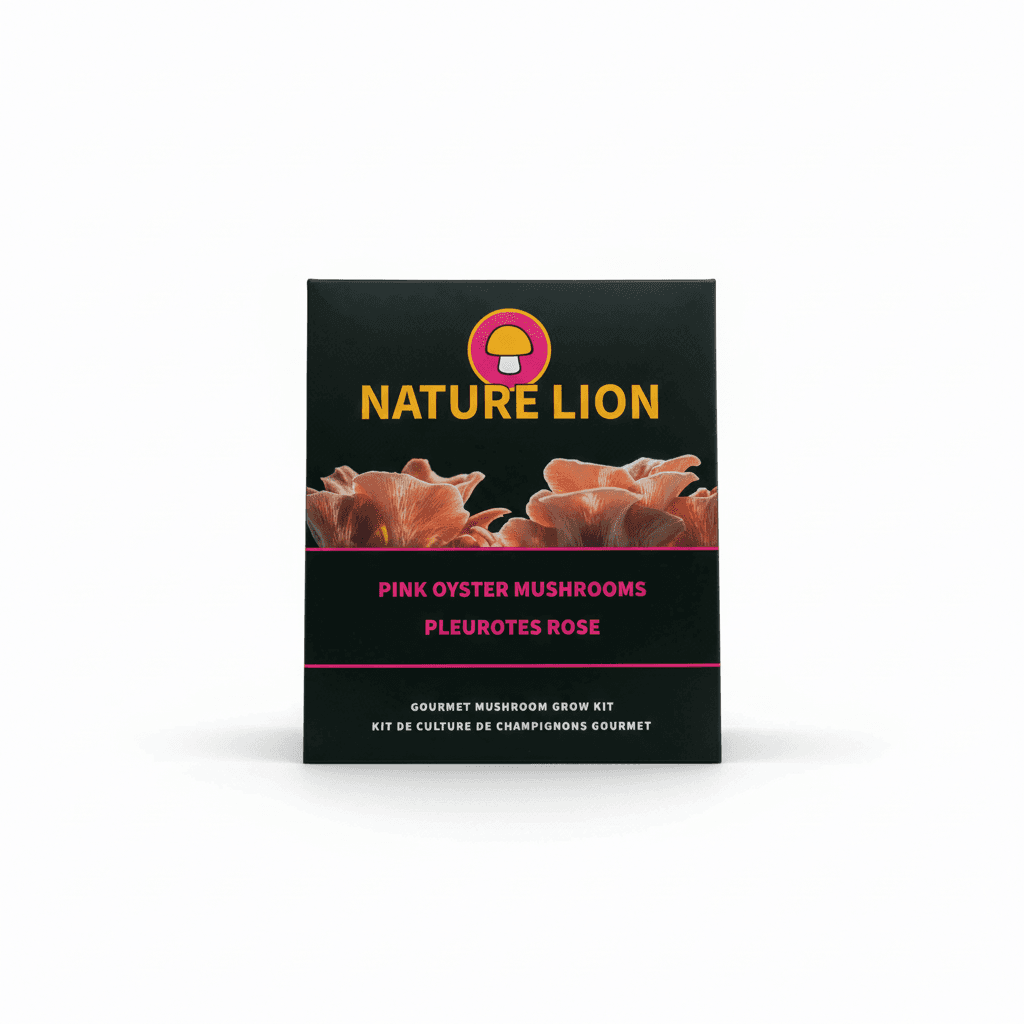
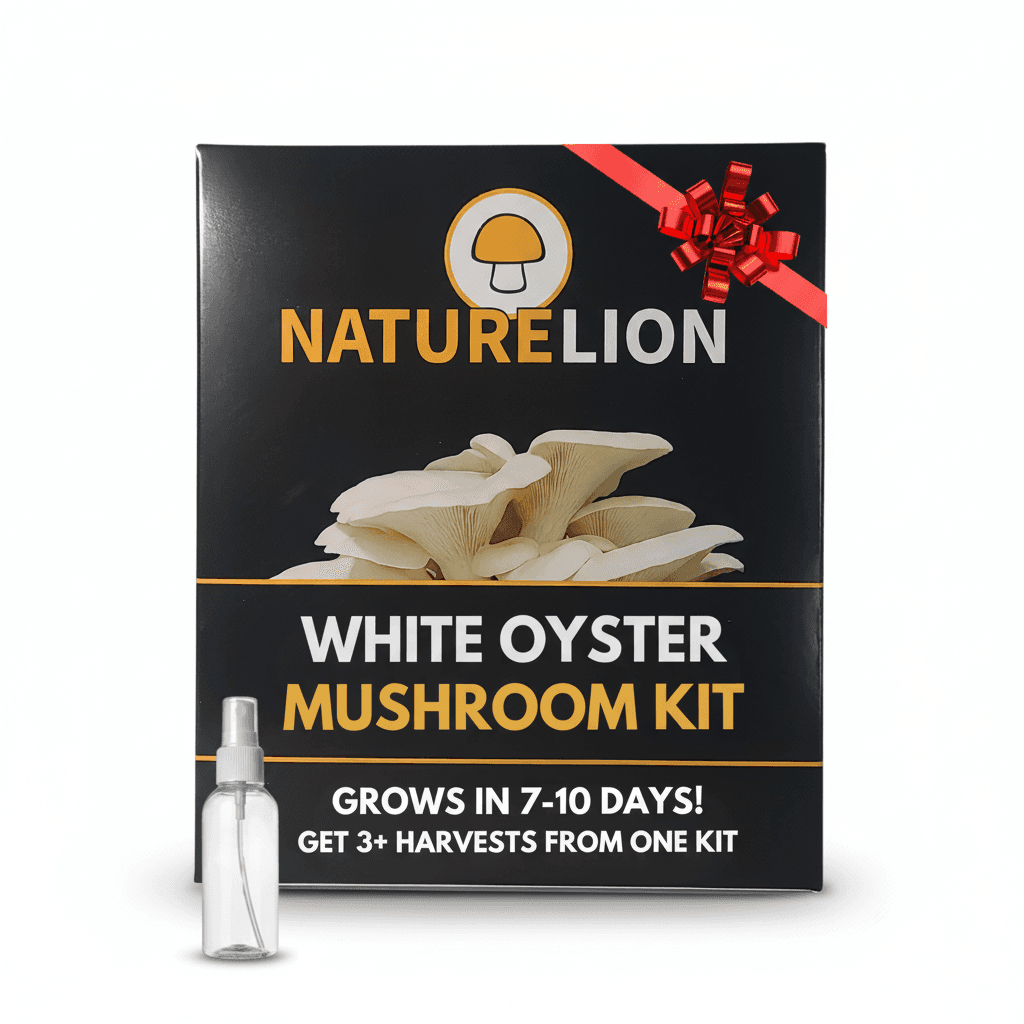
A mushroom grow kit is the single fastest path from zero experience to fresh mushrooms. Grow kits arrive fully colonized — the mycelium has already grown through the substrate inside the bag. All you do is cut an opening, mist with water, and wait. Most species fruit within 7-14 days.
Grow kits are ideal for beginners because they eliminate every variable that causes failure in more advanced methods. There's no sterilization, no inoculation, no contamination risk. You're simply providing humidity and fresh air to a block that's already ready to produce mushrooms.
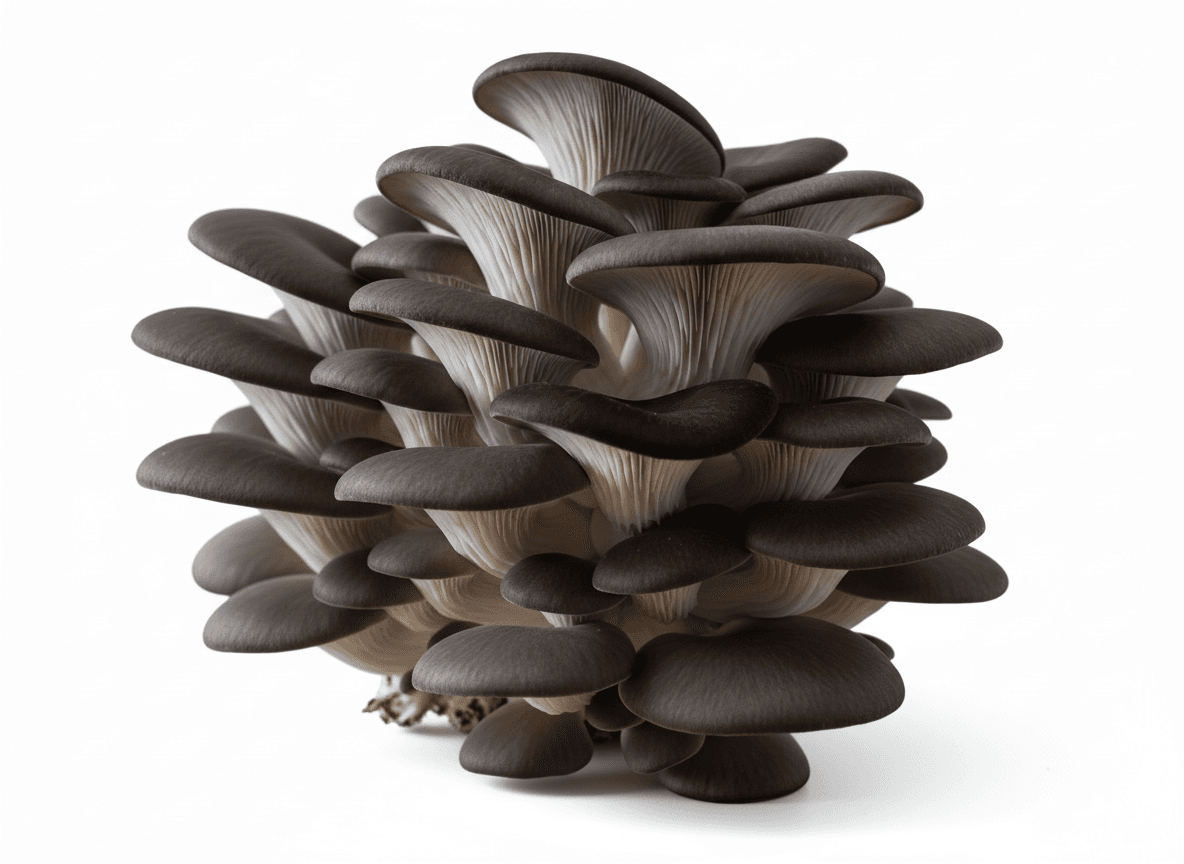
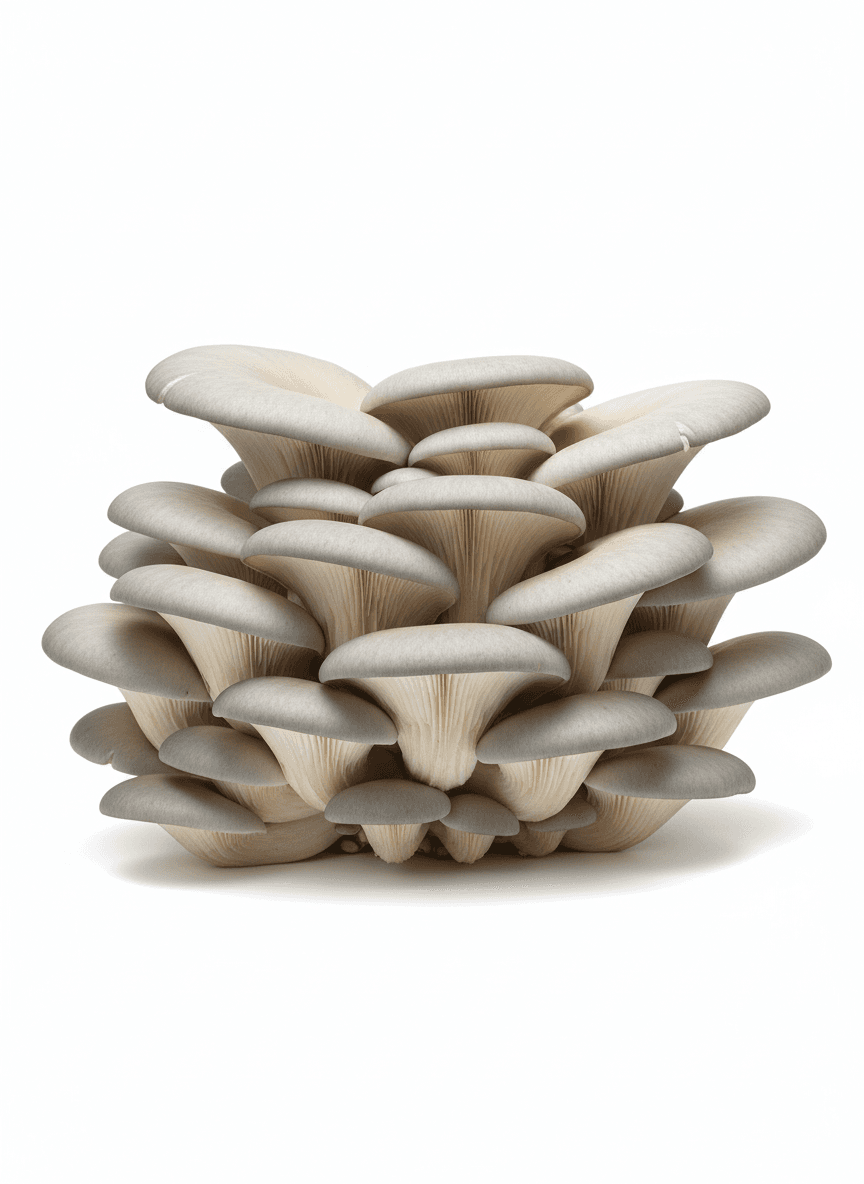
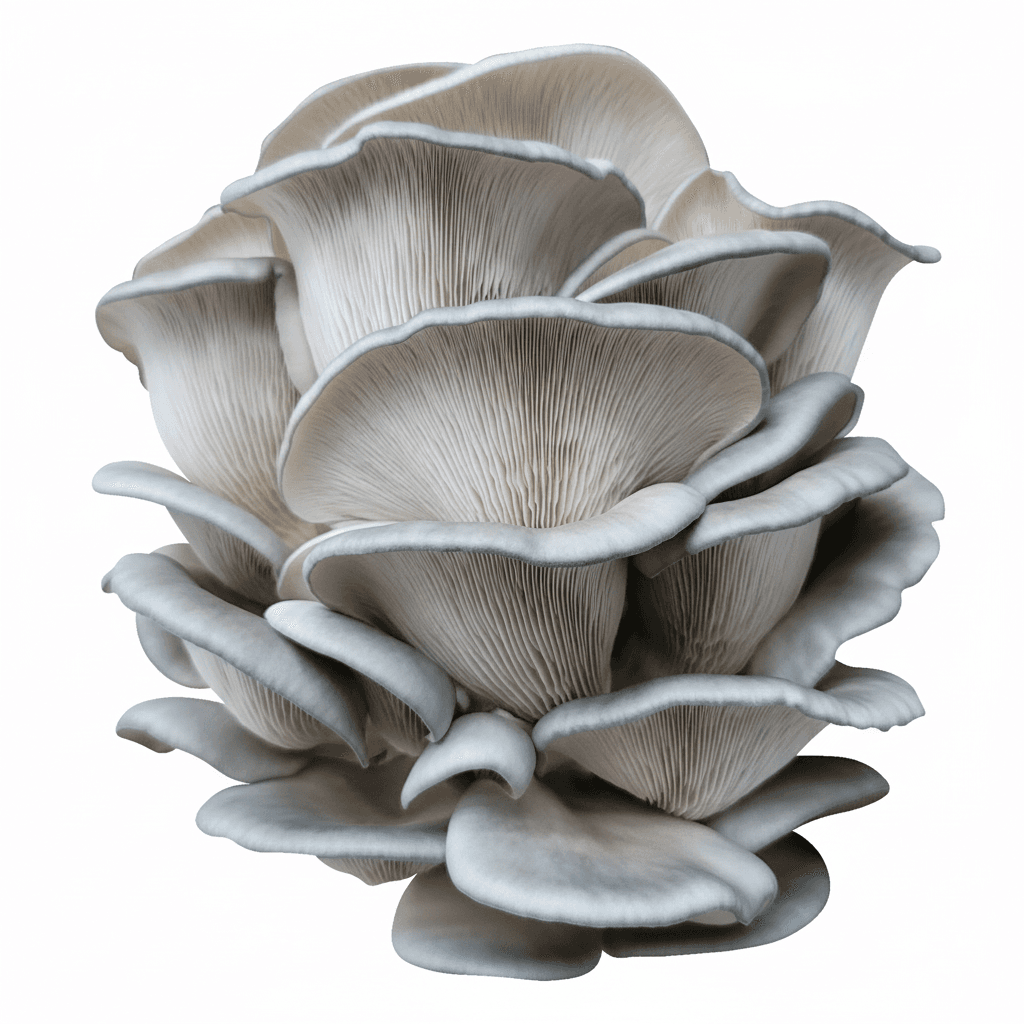
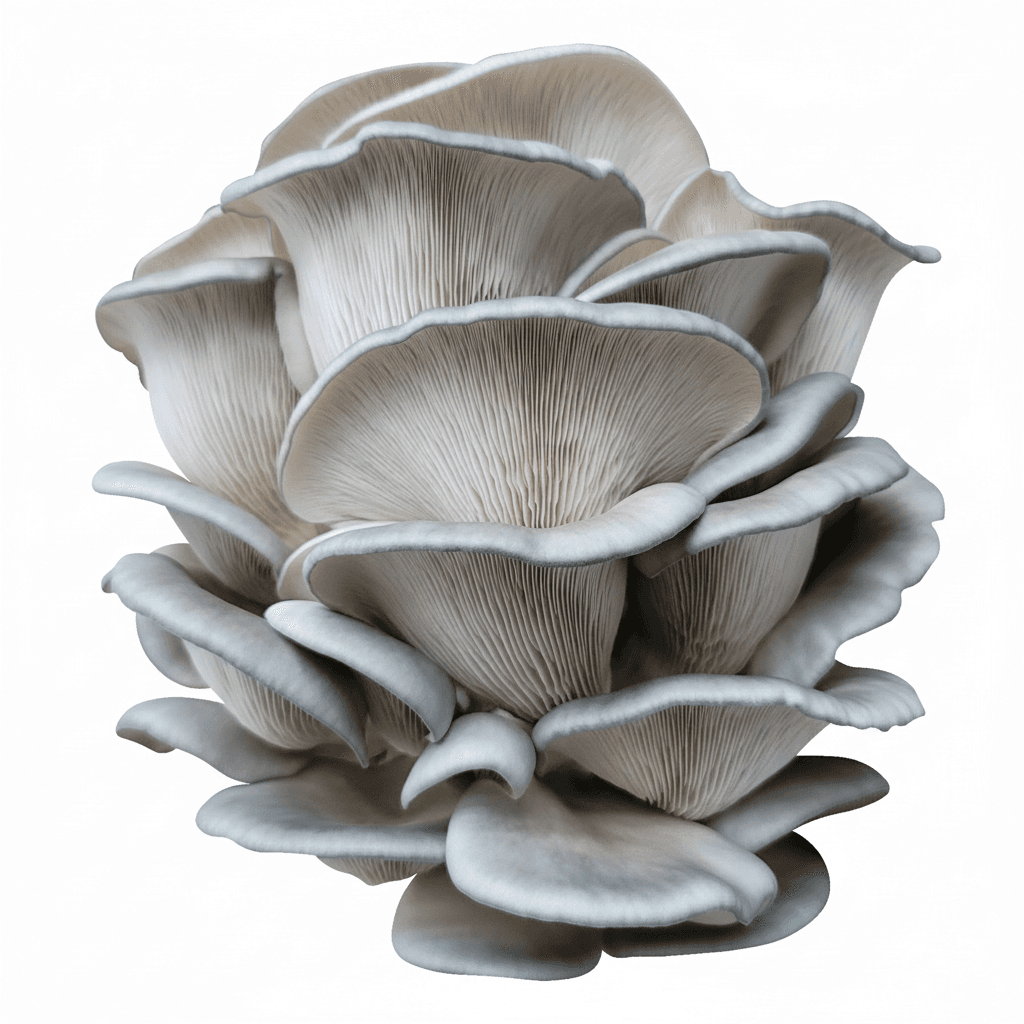
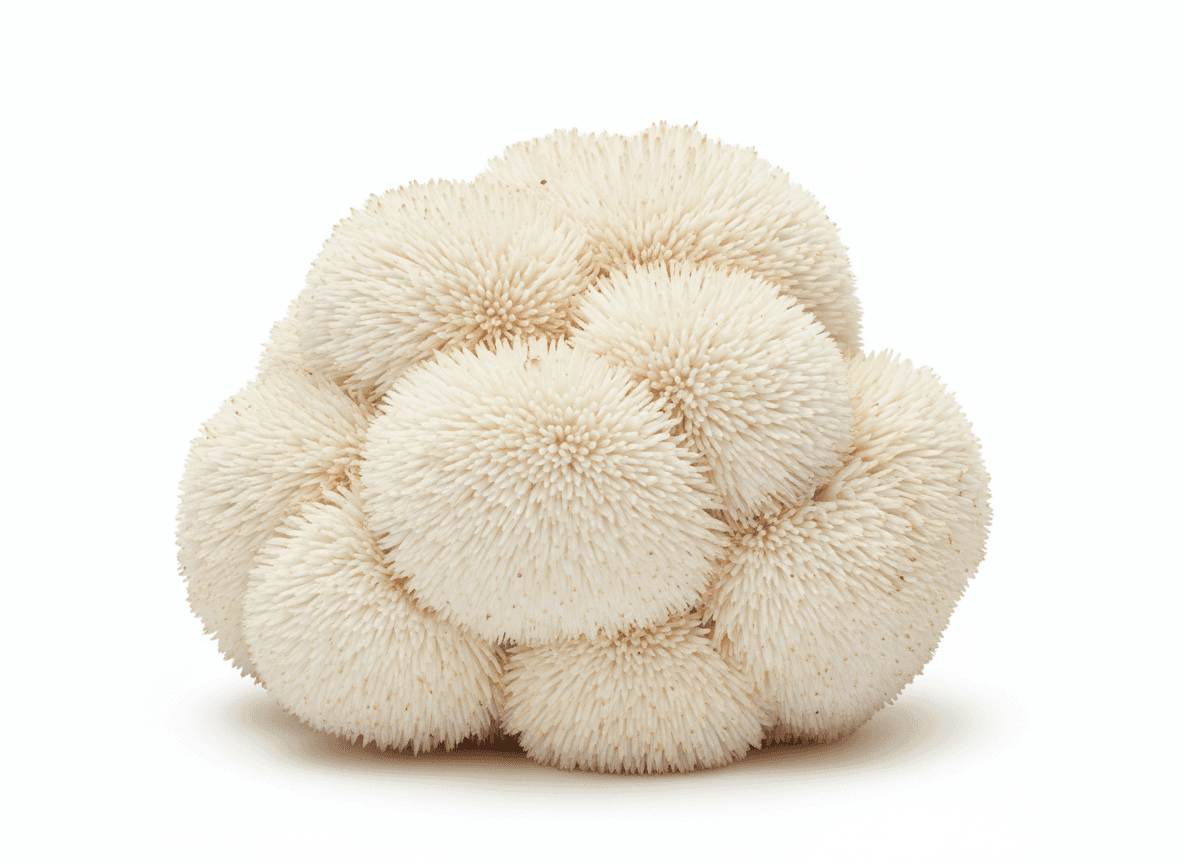
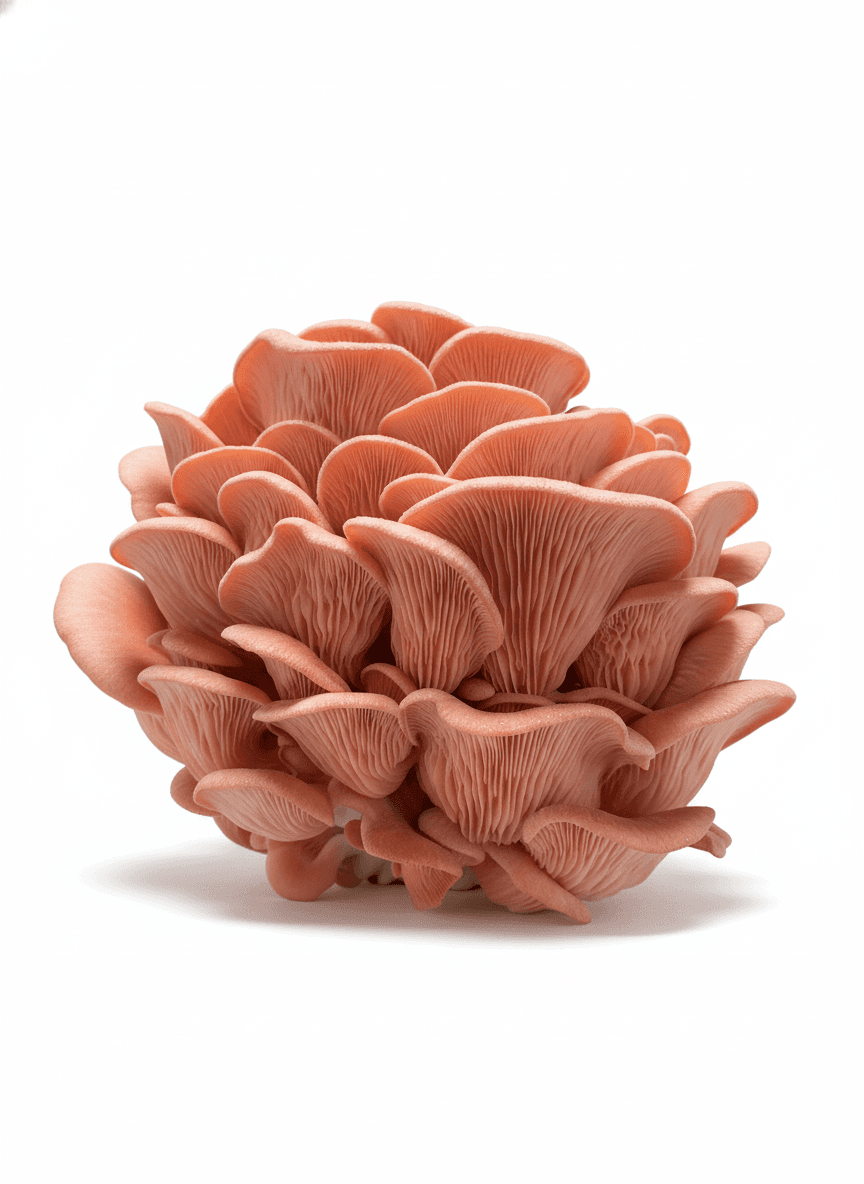
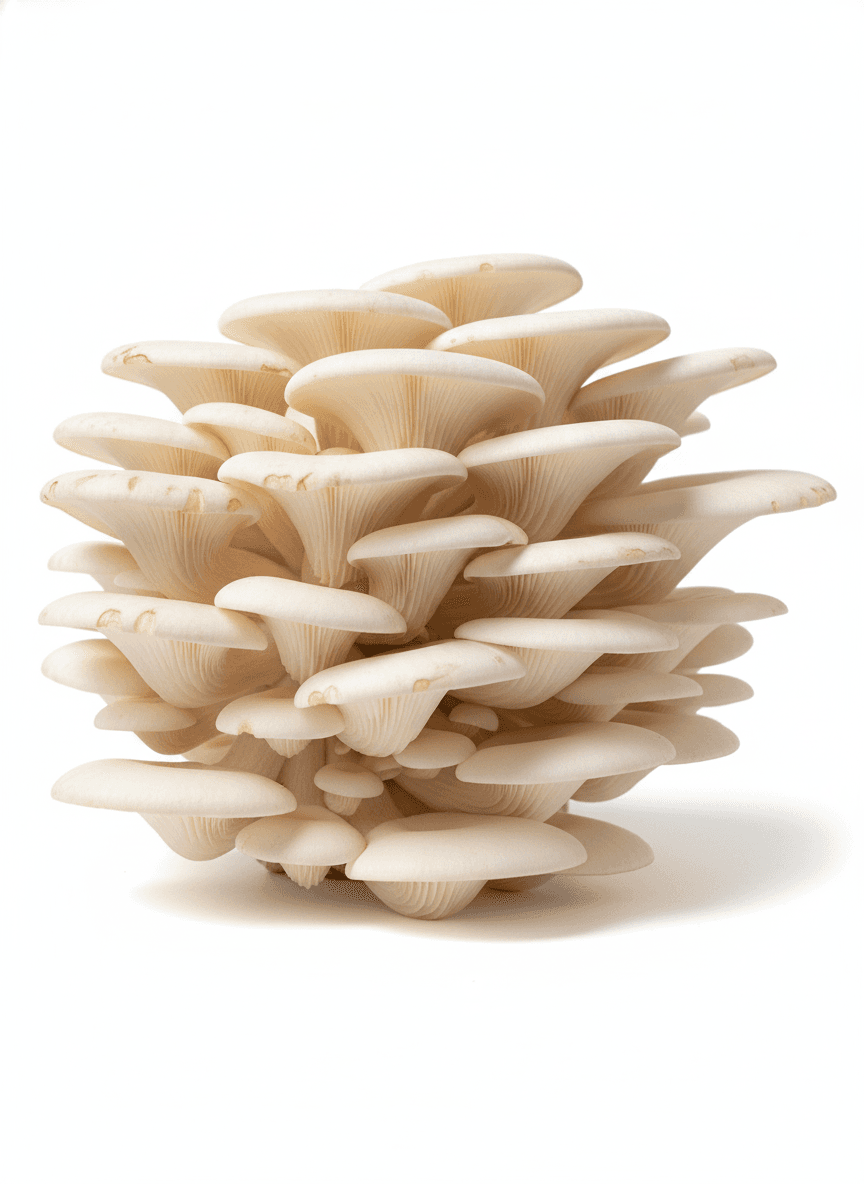
Look for kits that include the substrate block, a humidity tent or bag, and clear instructions. Popular beginner species include Blue Oyster (fast, forgiving, prolific), Lion's Mane (unique appearance, culinary and functional value), and Pink Oyster (tropical, fast-growing, beautiful).
Substrate and Growing Media
Substrate is the material mushrooms grow on — their food source. Different species prefer different substrates, but the most common options for home growers in Canada are:
- Straw — chopped and pasteurized wheat or oat straw. The classic substrate for oyster mushrooms. Inexpensive and widely available at farm supply stores.
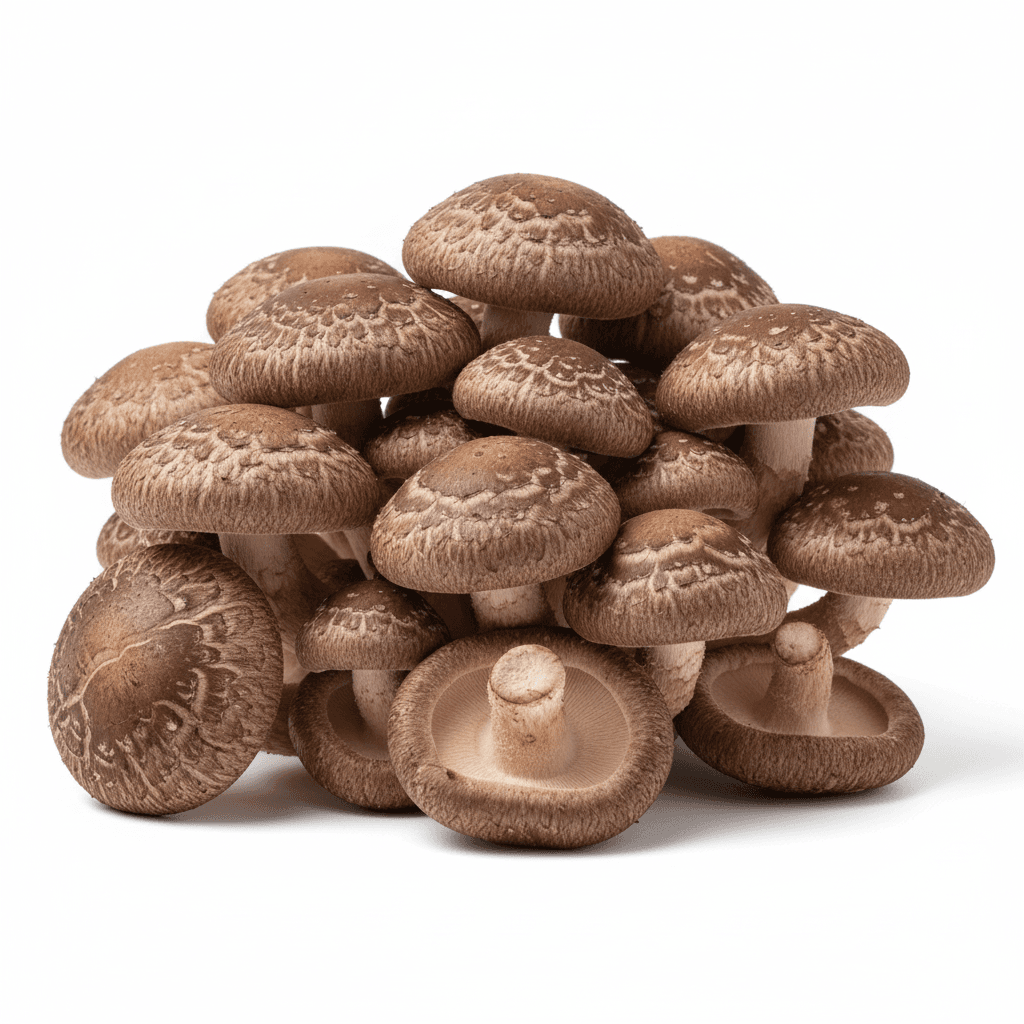
- Hardwood sawdust — oak, maple, or beech sawdust, often supplemented with wheat bran. Used for shiitake, lion's mane, and most gourmet species.
- Supplemented sawdust blocks — pre-mixed, sterilized substrate ready for inoculation. The most convenient option for home growers who don't want to prepare their own.
For beginners, buying pre-sterilized substrate bags eliminates the need for a pressure cooker and removes the biggest contamination risk from your workflow.
Fruiting Chamber Basics
A fruiting chamber provides the humidity, fresh air exchange, and light conditions mushrooms need to form fruit bodies. Two common DIY options:
- Shotgun fruiting chamber (SGFC): A clear plastic tote with holes drilled on all six sides, lined with damp perlite. Passive humidity and airflow. Costs under $30 to build.
- Monotub: A larger tote modified with filtered air ports. Better for bulk substrates and higher yields. The standard for intermediate home growers.
You'll also want a spray bottle for misting, a hygrometer to monitor humidity (aim for 85-95% during fruiting), and a thermometer to track temperature. Most gourmet species fruit between 15-24°C.
Intermediate Supplies — Lab Work and Inoculation
Once you've grown from a kit and want to start working with raw materials, you'll need supplies for inoculation and culture work.
Grain Spawn
Grain spawn is sterilized grain that's been colonized with mushroom mycelium — think of it as the "seed" for your mushroom crop. You mix grain spawn into bulk substrate (straw, sawdust, or supplemented blocks) at a ratio of roughly 10-20% by weight, and the mycelium colonizes the entire substrate within 2-4 weeks.
Quality grain spawn is the single most important variable in mushroom cultivation. Bad spawn means slow colonization, weak genetics, and higher contamination rates. Look for spawn grown on certified organic grain with lab-isolated genetics from a reputable supplier.
Common grain types include rye berries, wheat berries, millet, and sorghum. We use certified organic millet at Nature Lion — it produces dense, even colonization and resists wet rot better than rye.
Liquid Cultures
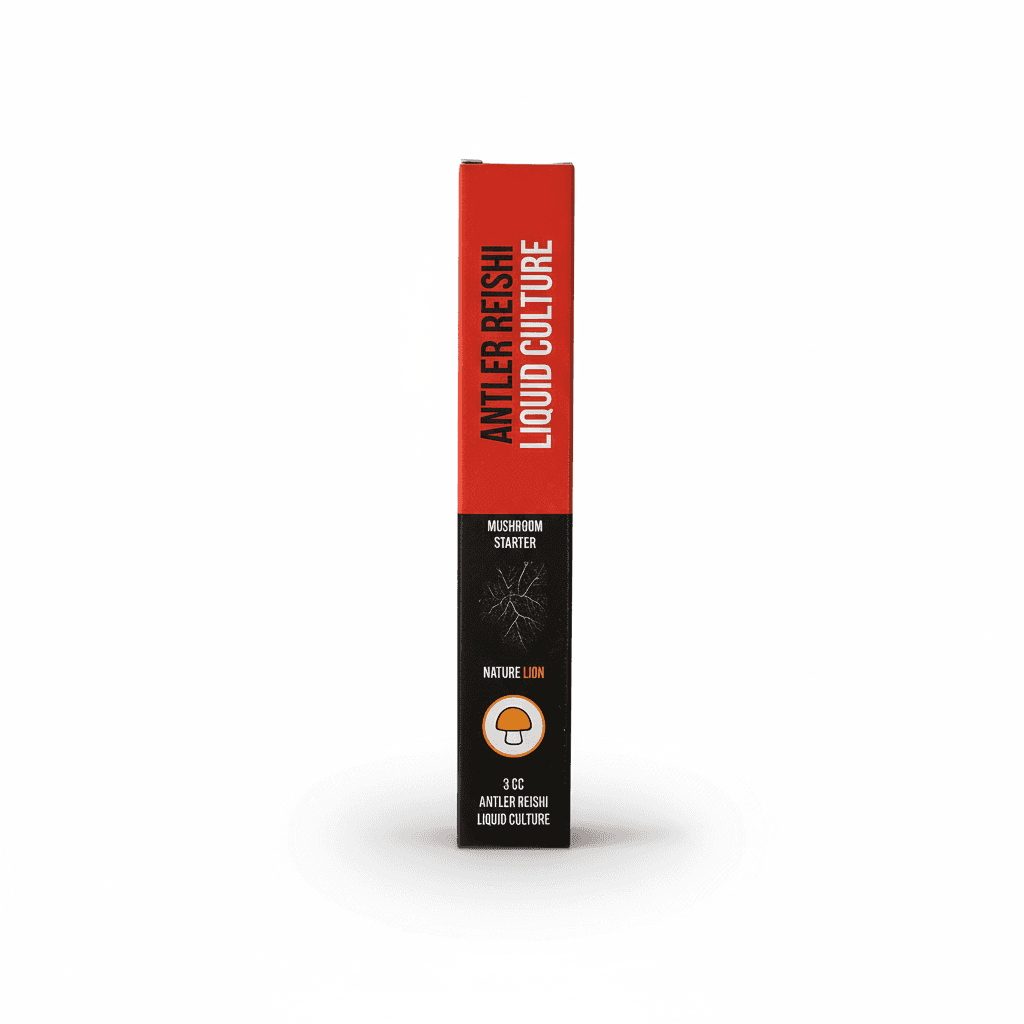
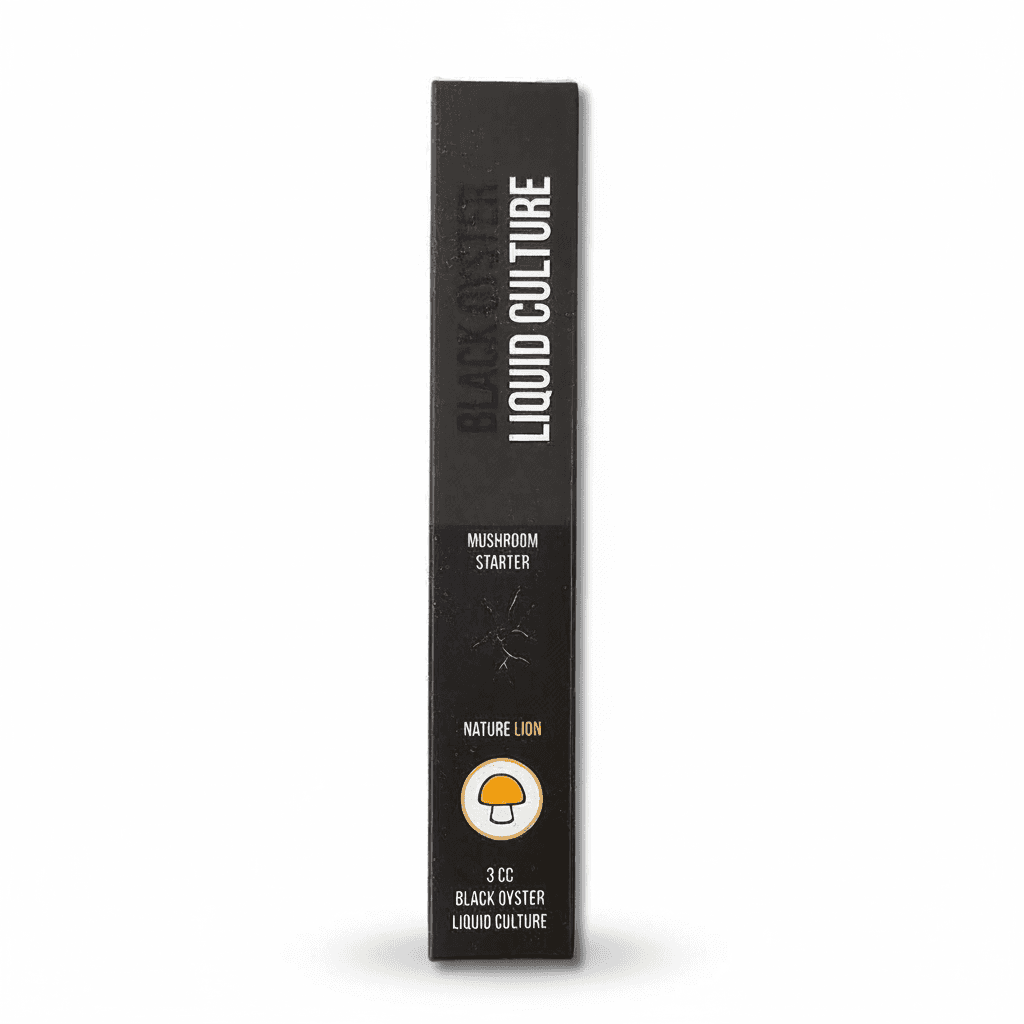
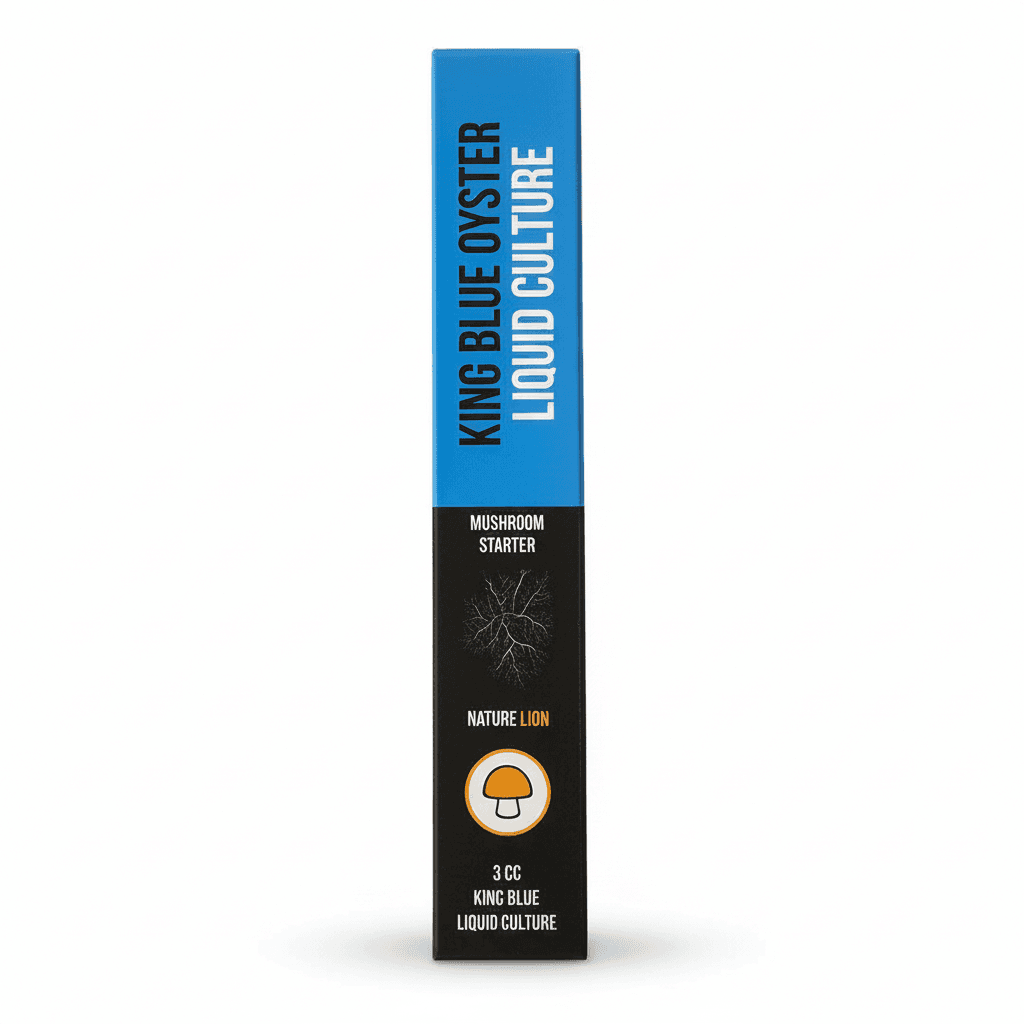
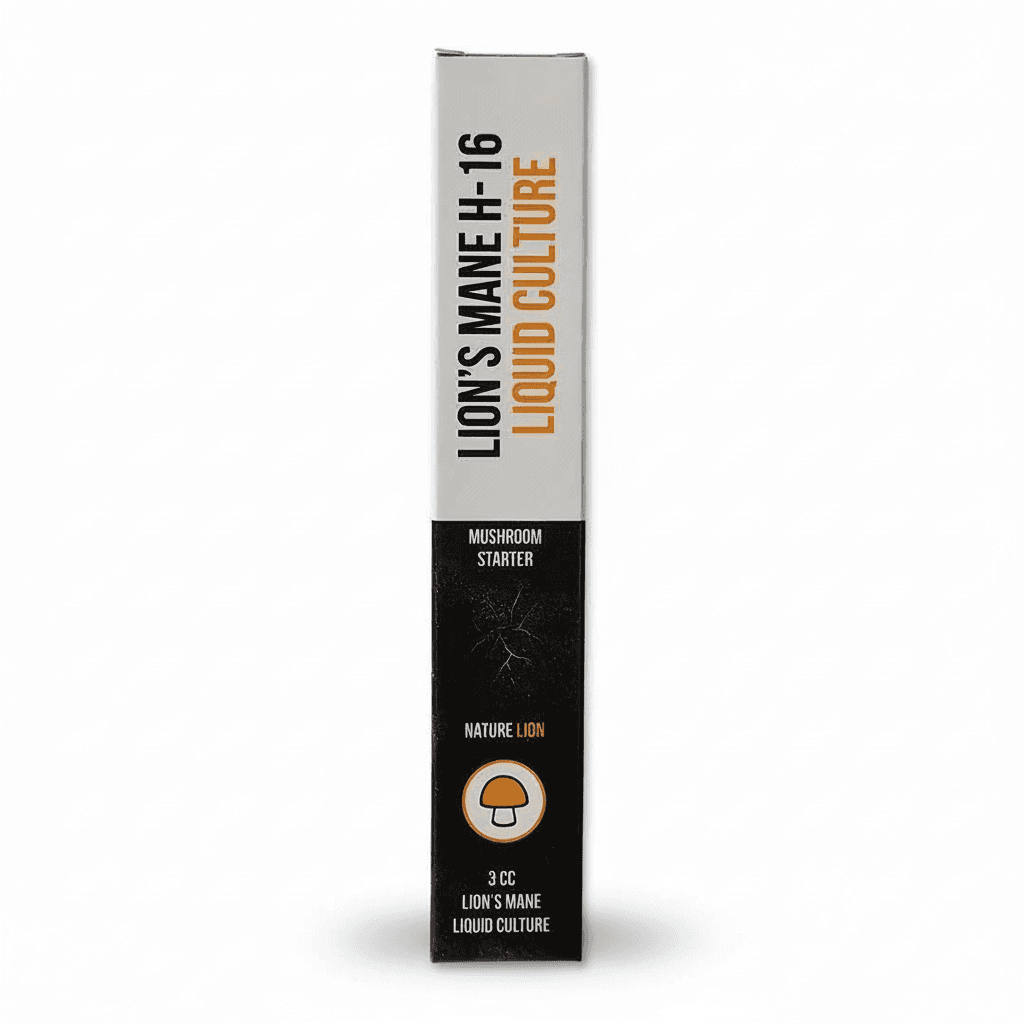
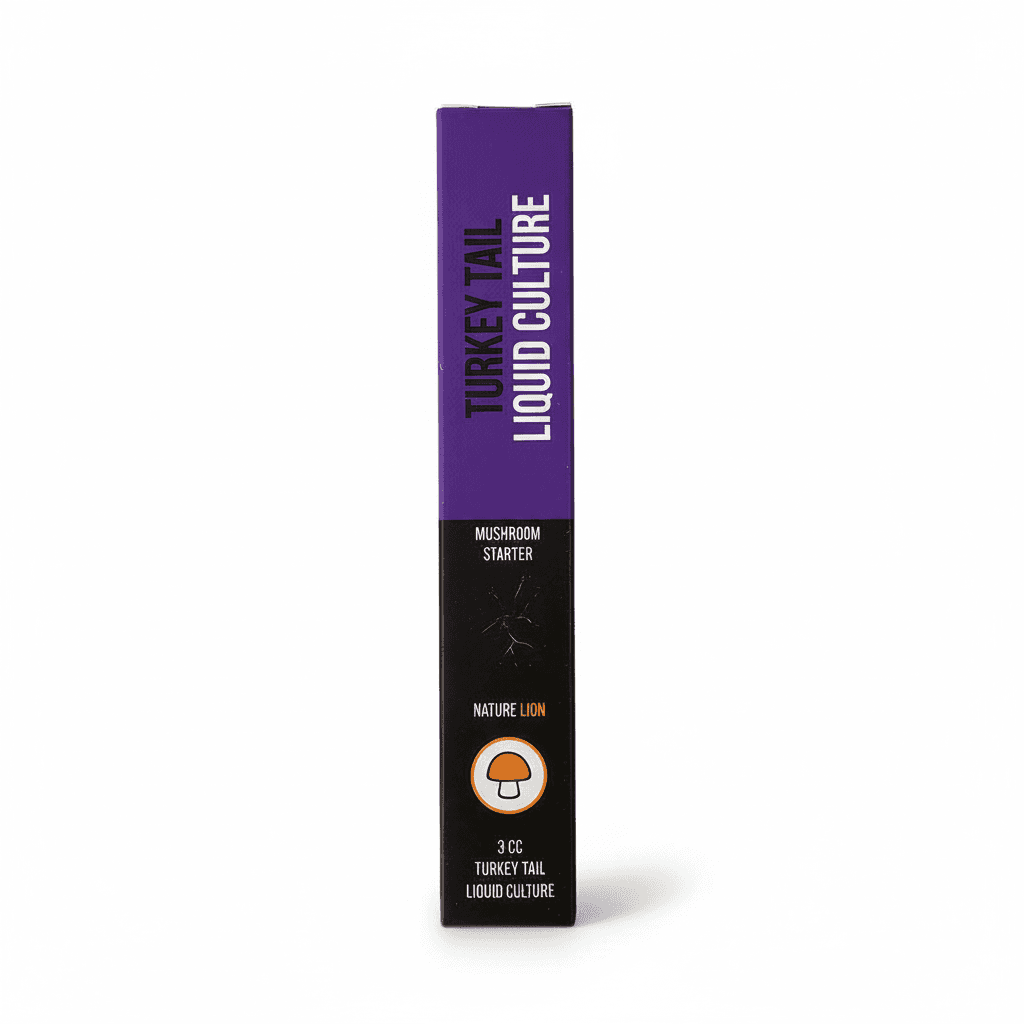
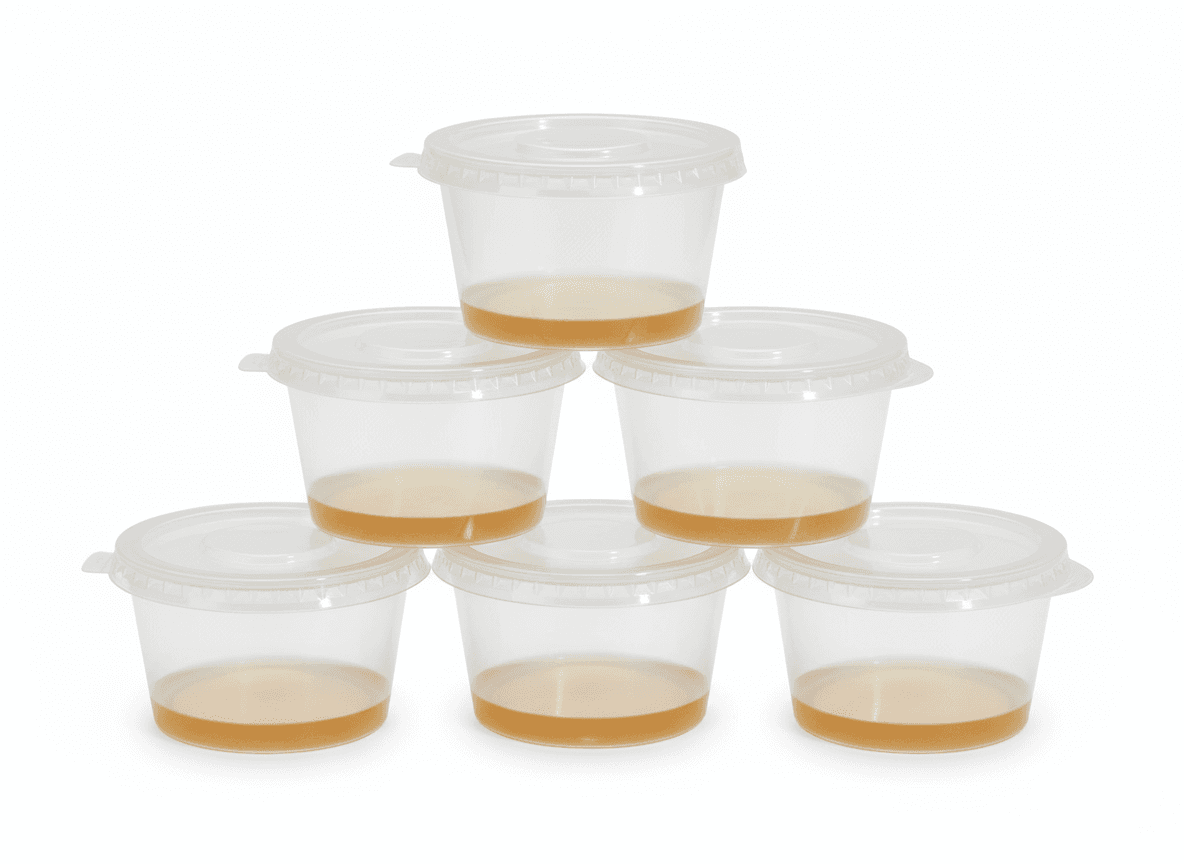
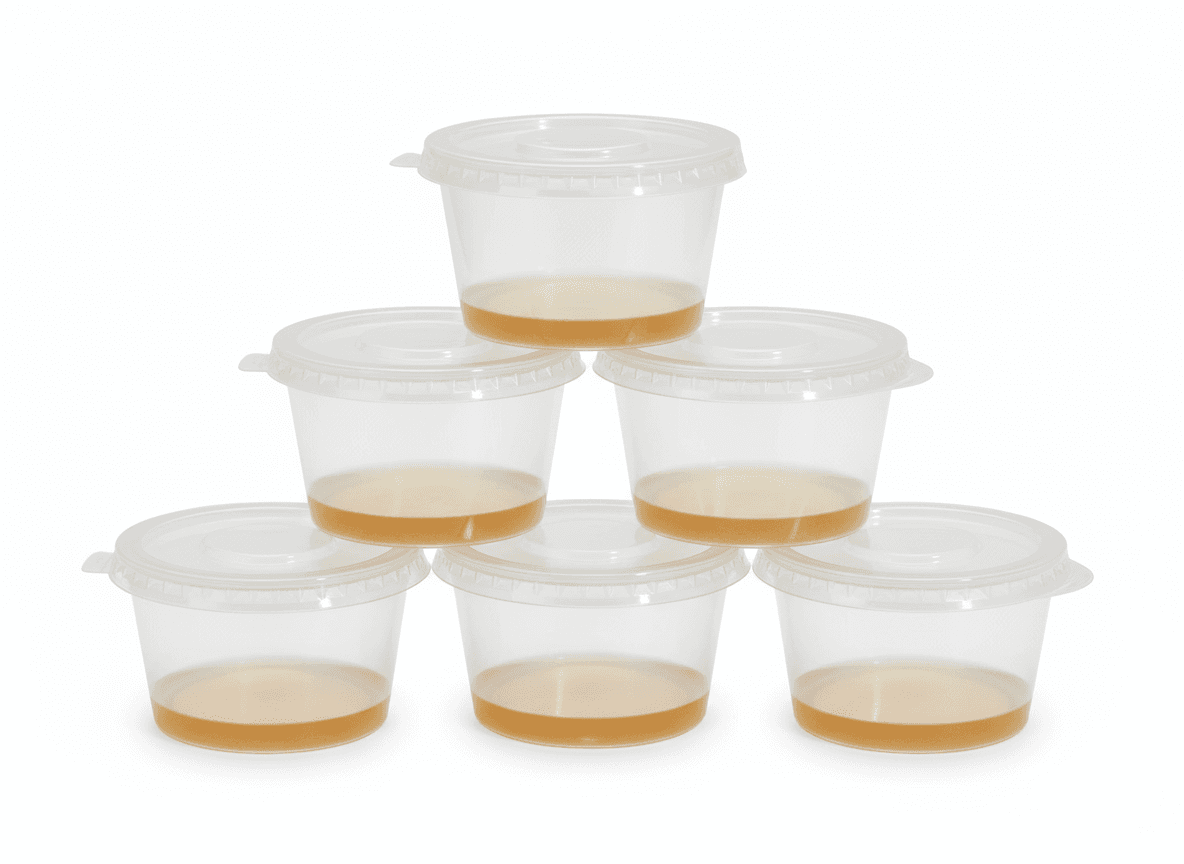
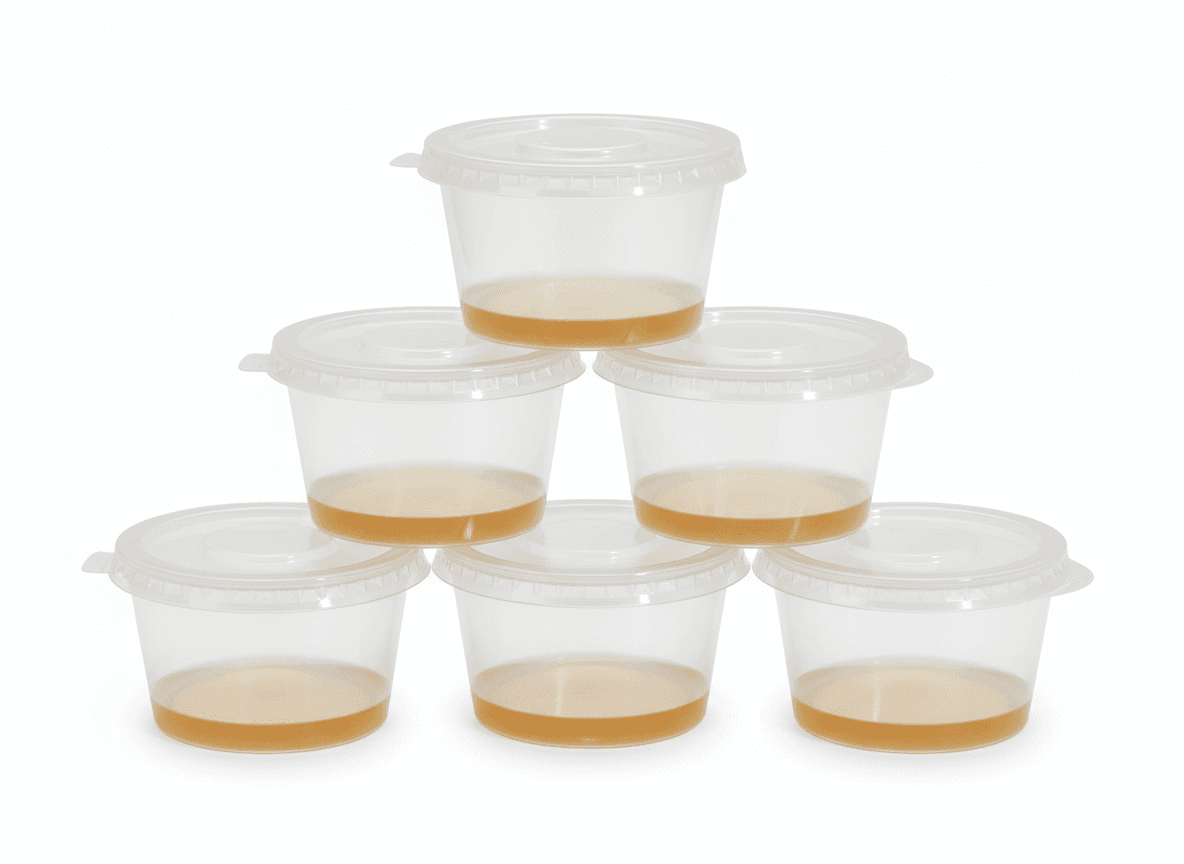
Liquid cultures are living mycelium suspended in a nutrient broth (typically honey water or light malt extract solution). They're used to inoculate grain jars, substrate bags, or agar plates. Liquid cultures come in syringes (typically 3cc-10cc) for small-scale use or jars (200ml+) for commercial production.
Advantages over spore syringes: liquid cultures contain known, isolated genetics (not random multispore), colonize faster, and produce more consistent results. They're the standard inoculant for anyone beyond the absolute beginner stage.
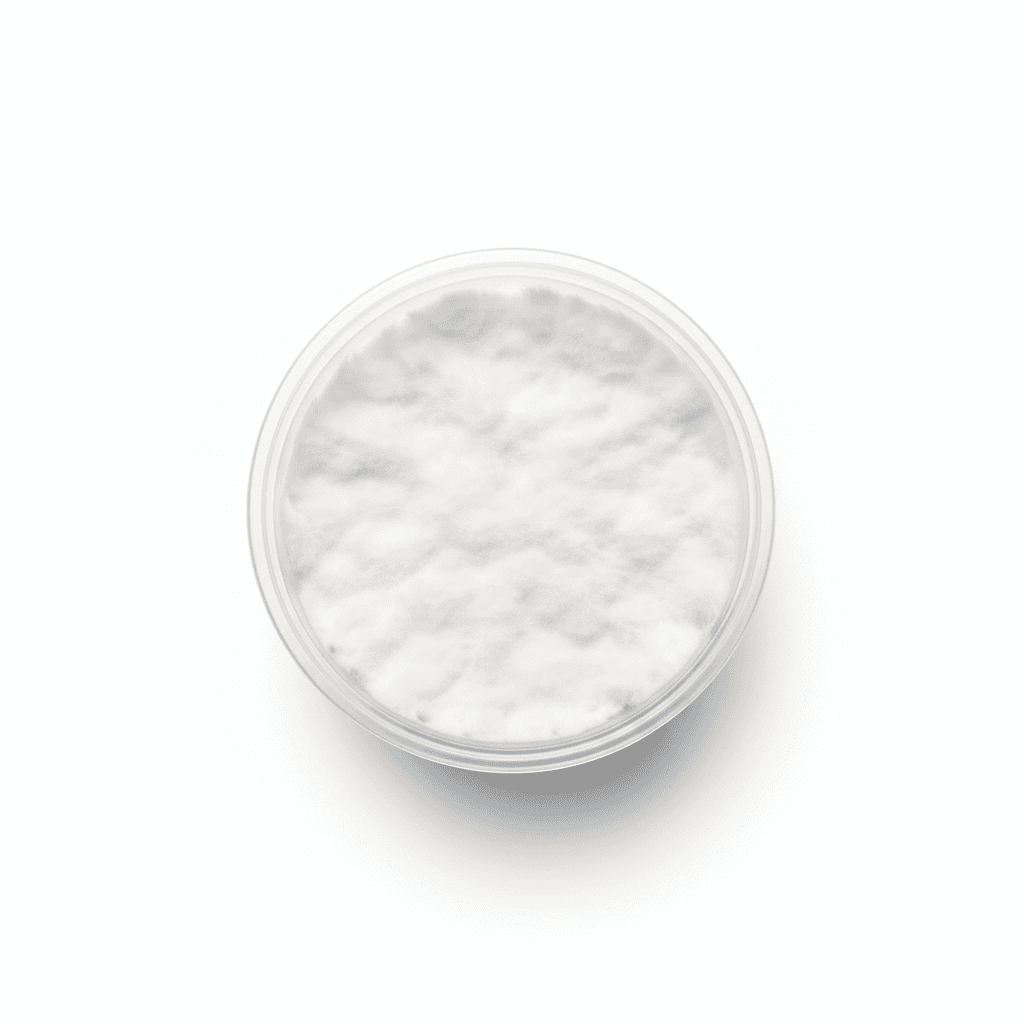
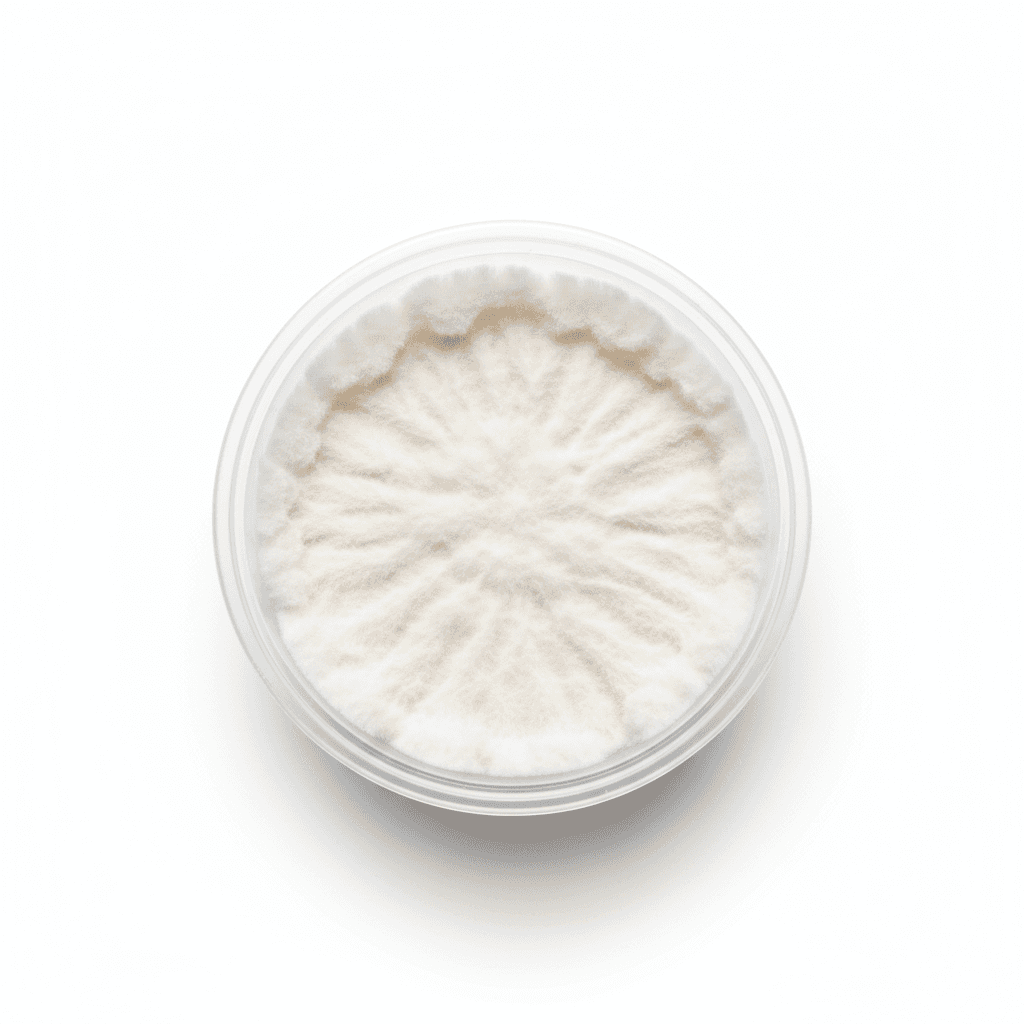
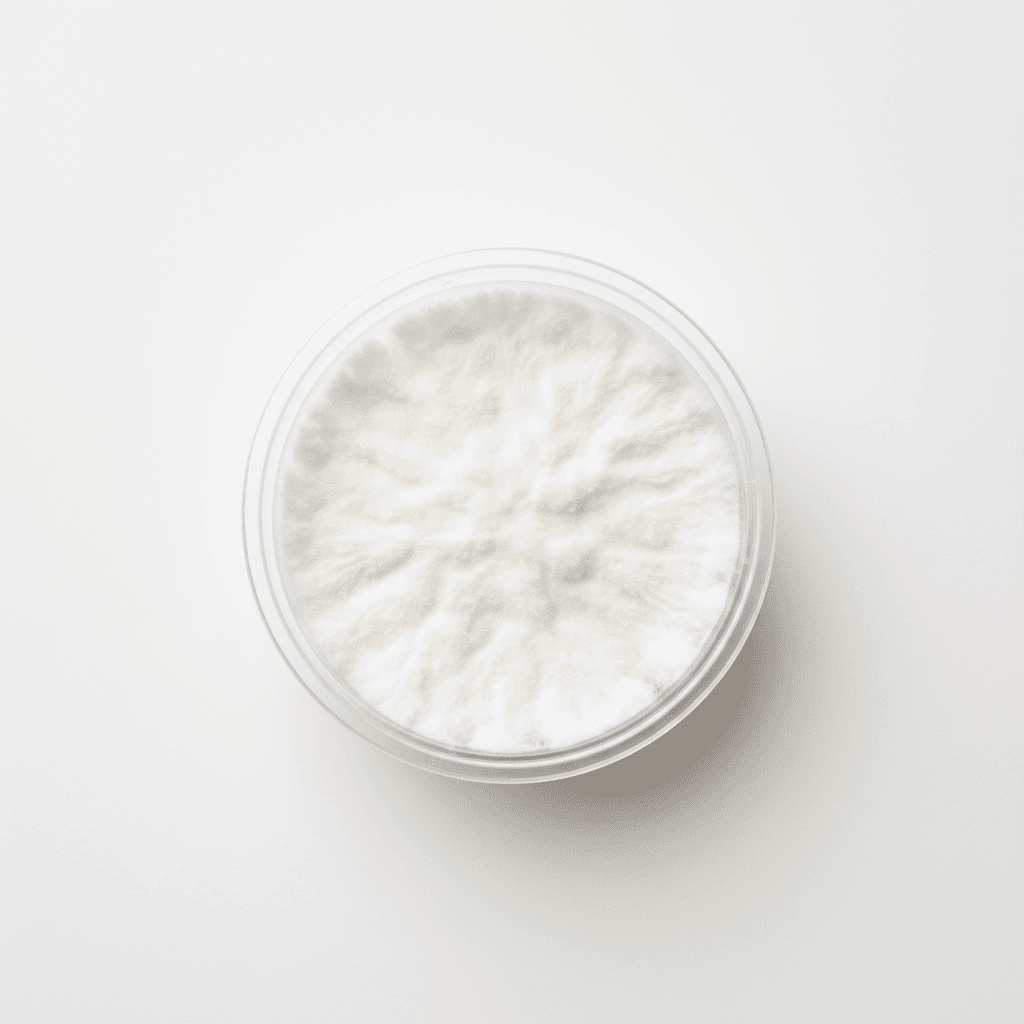
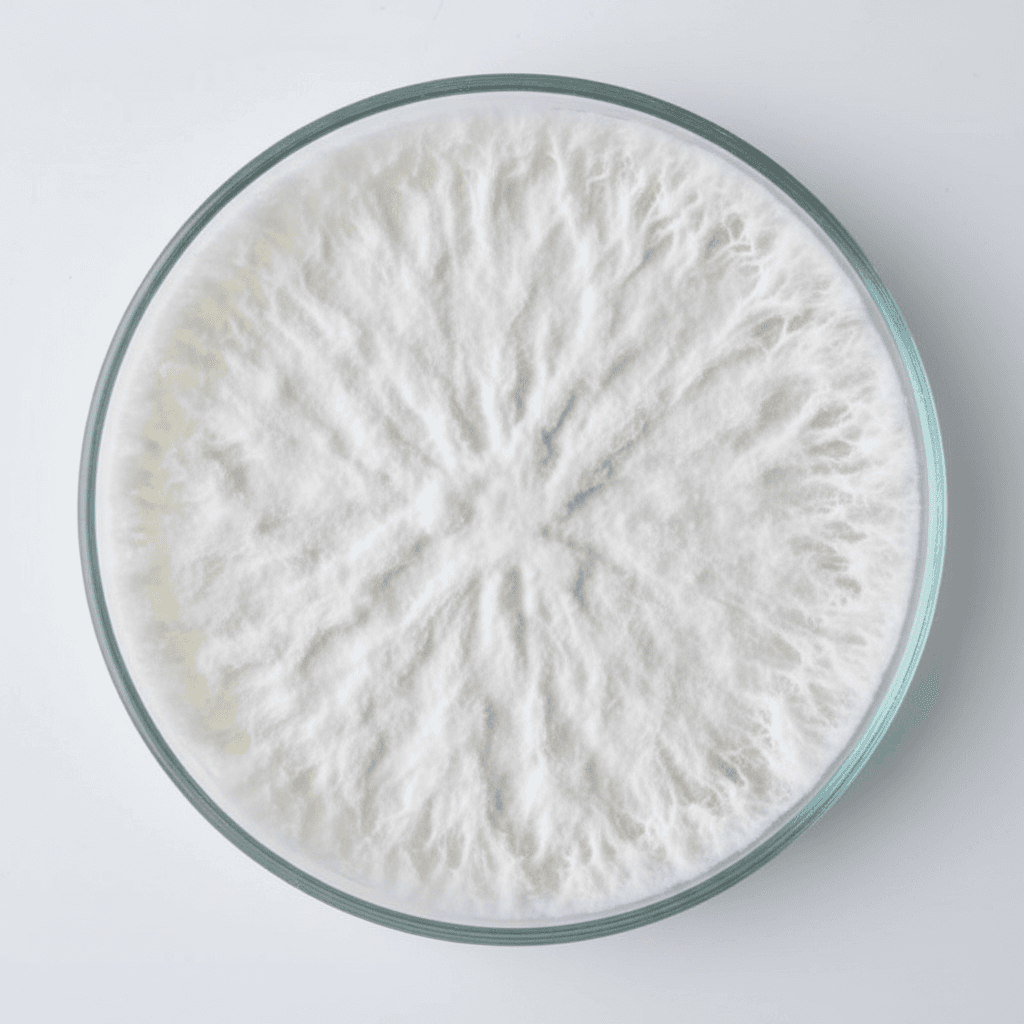
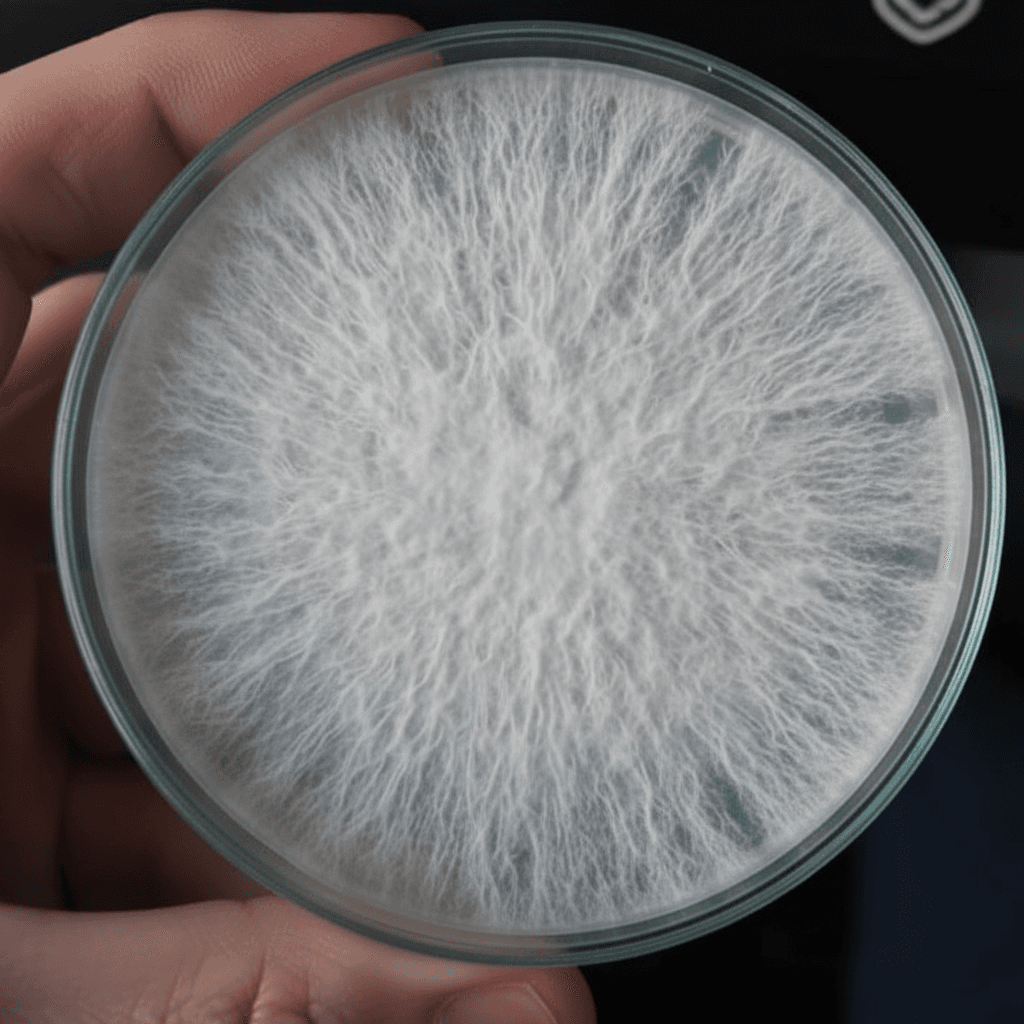
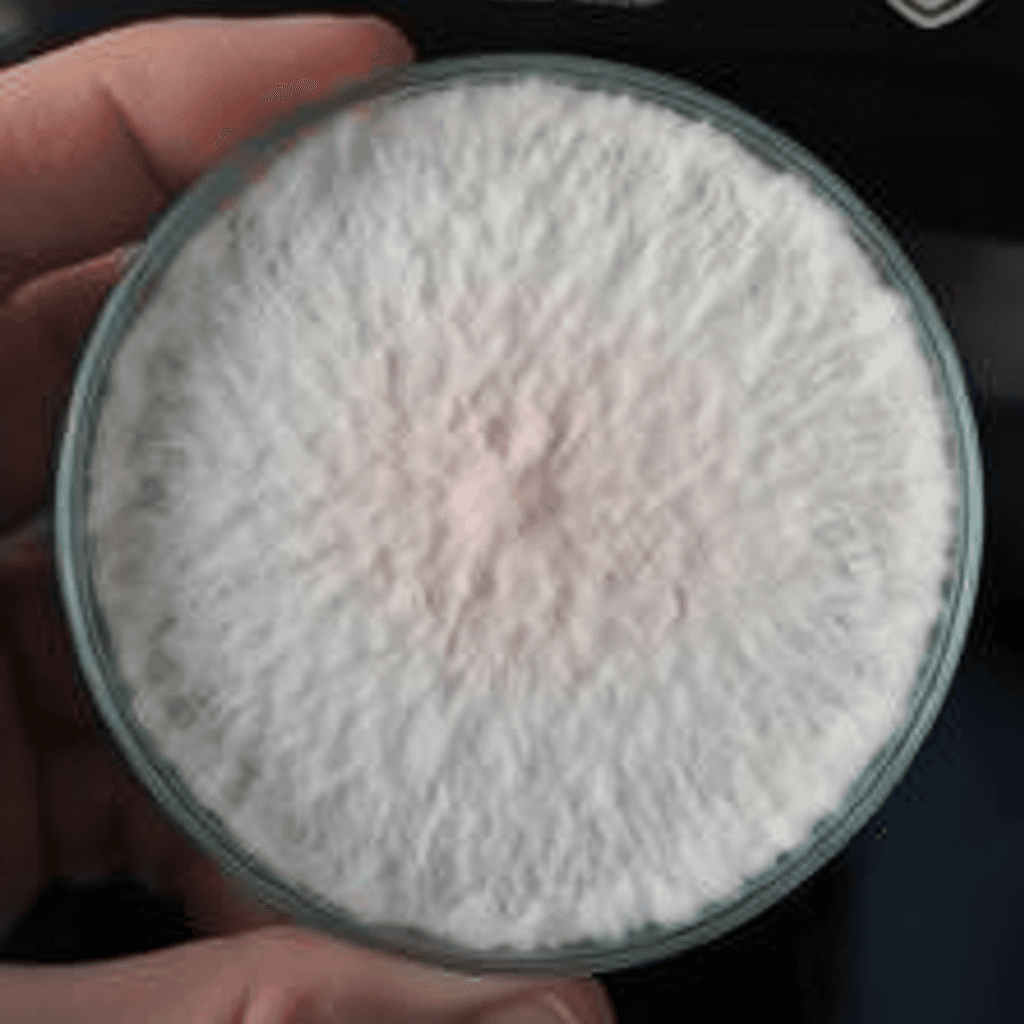
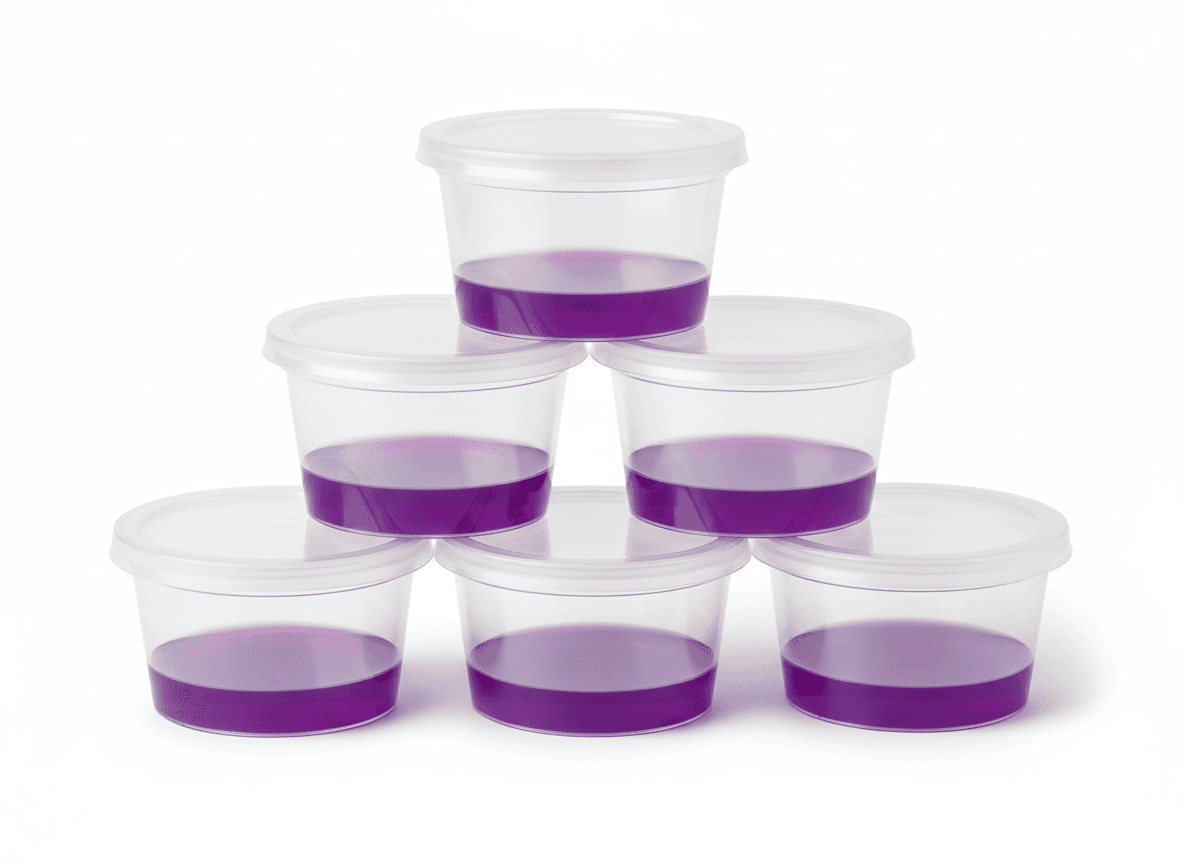
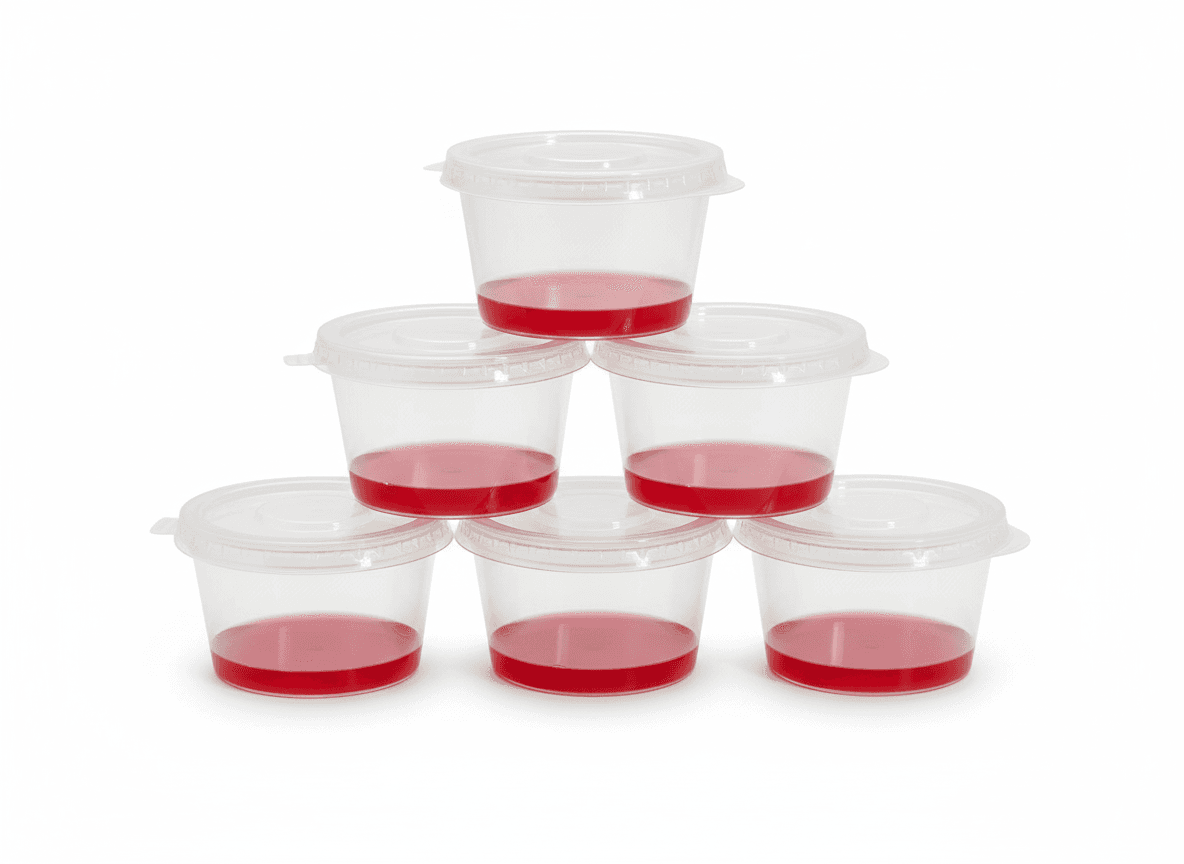
Agar Plates
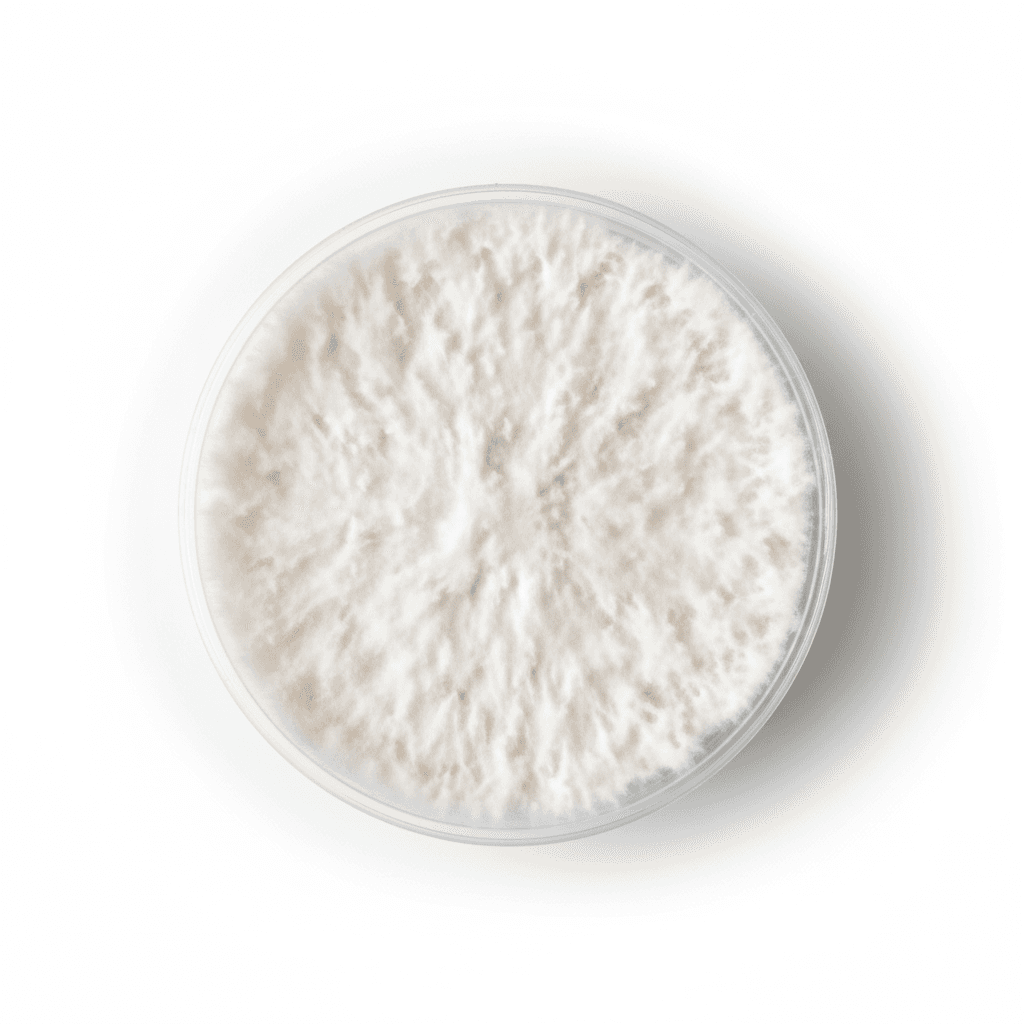
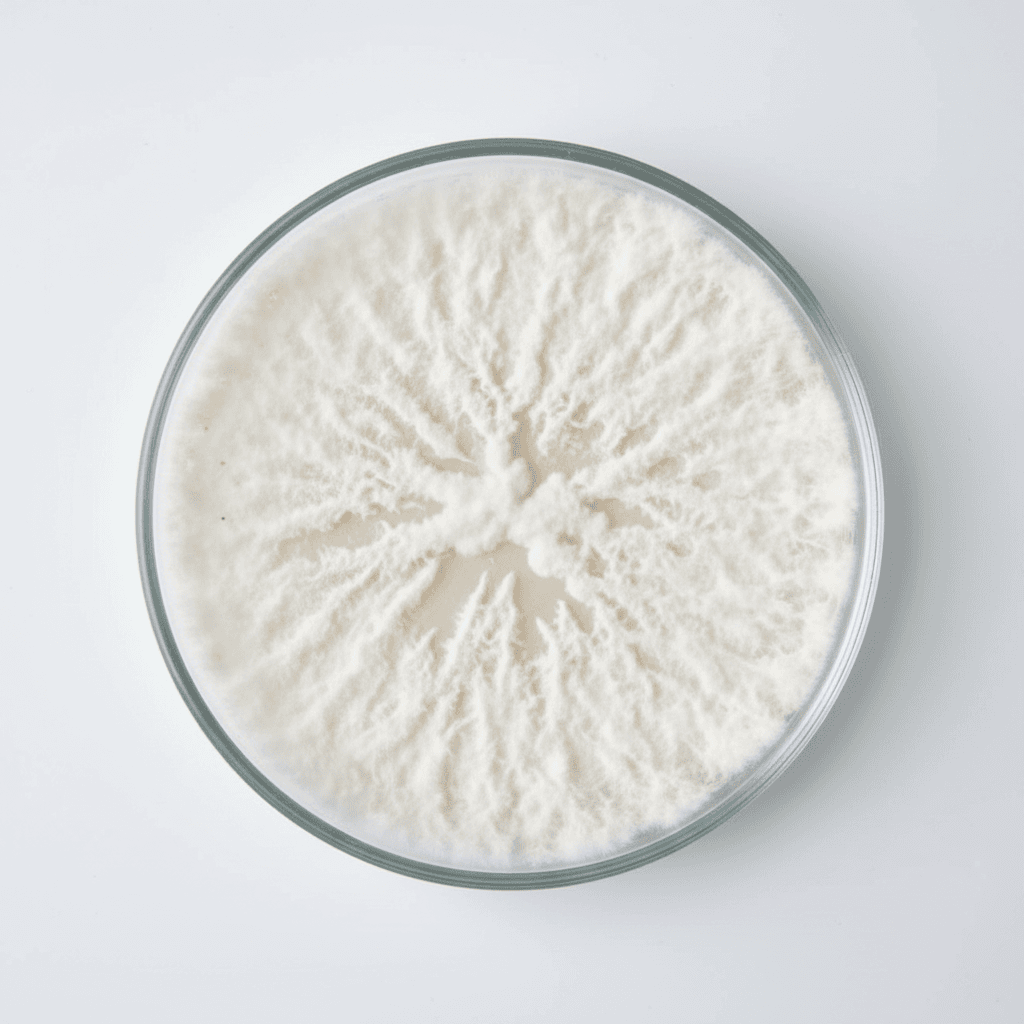
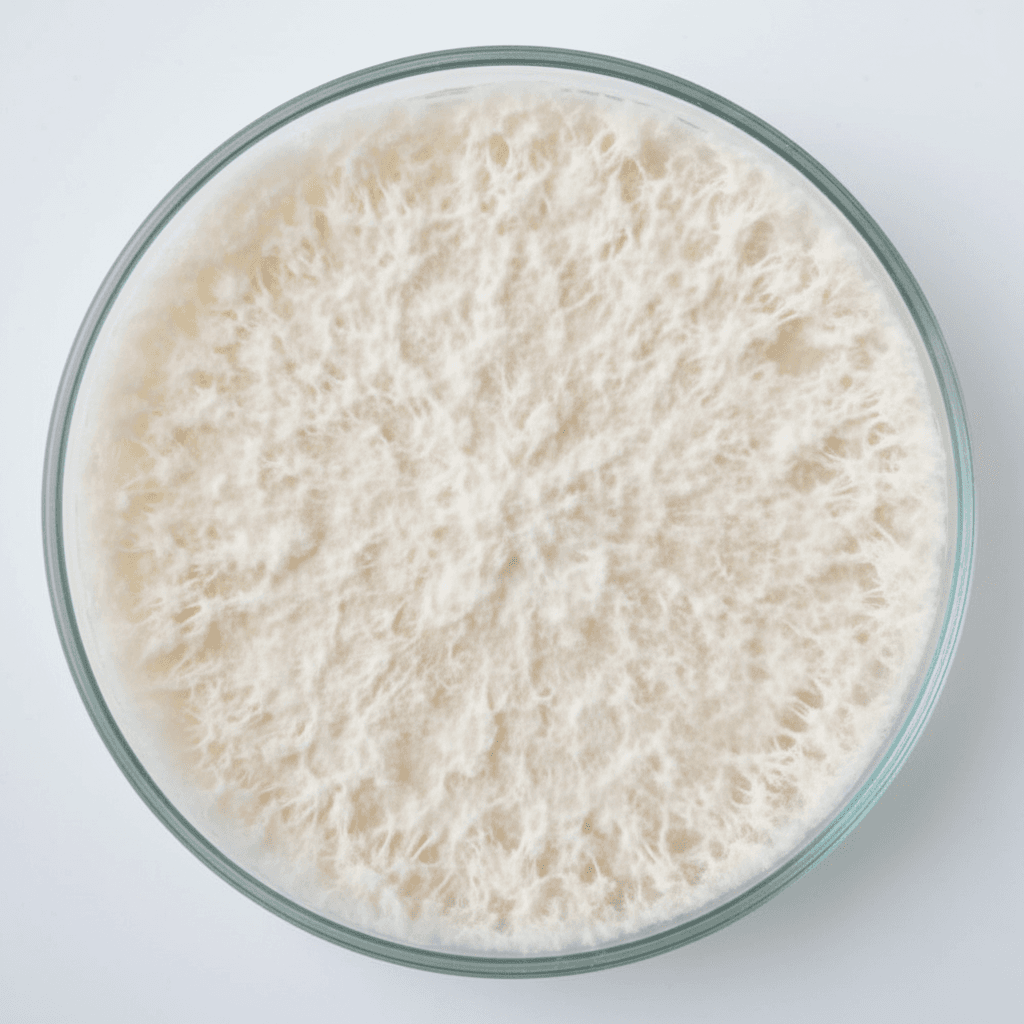
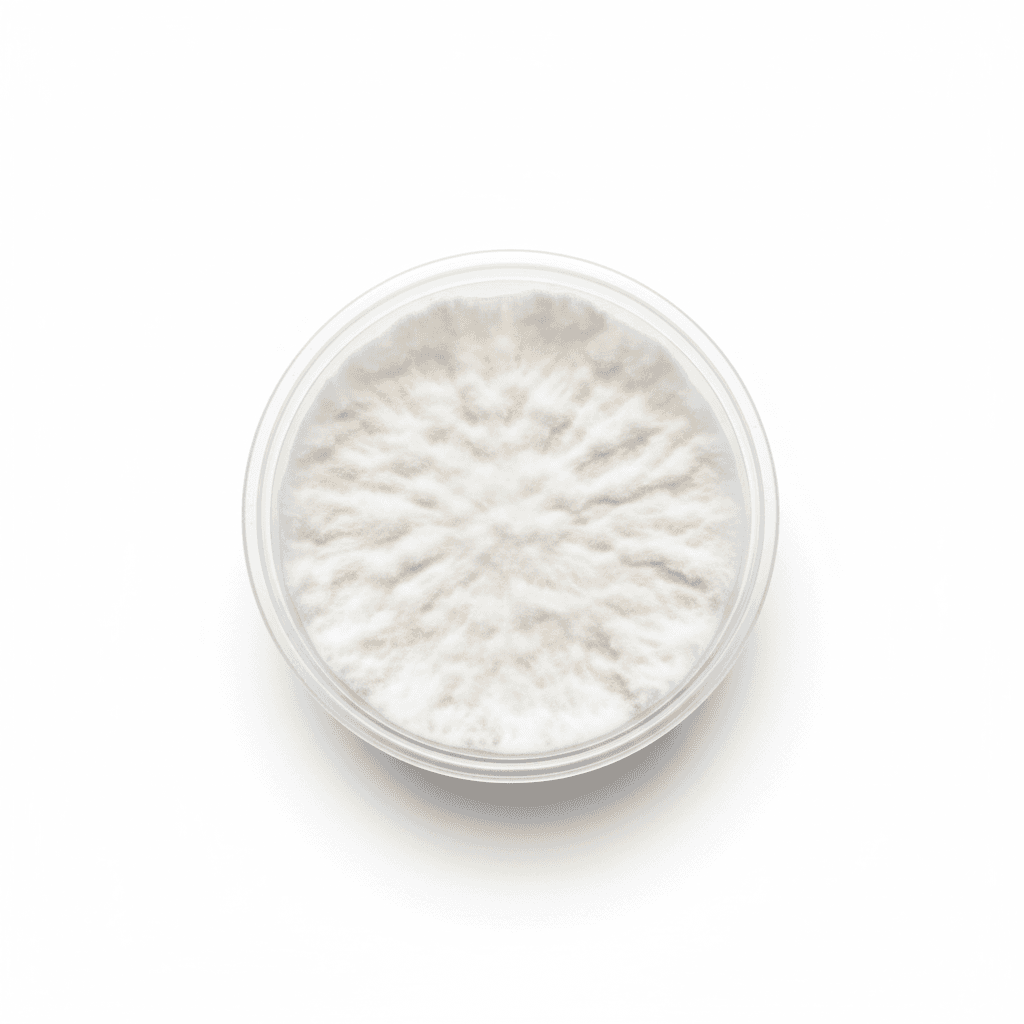
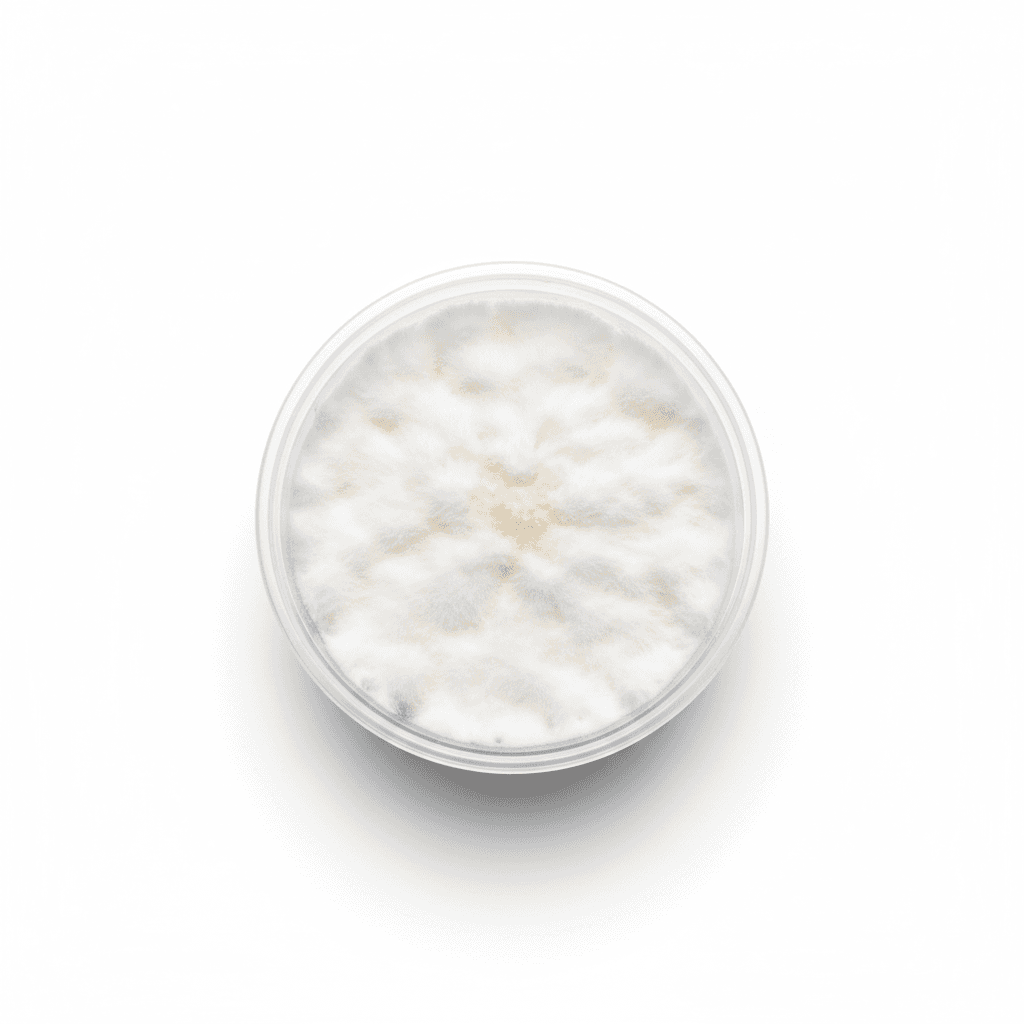
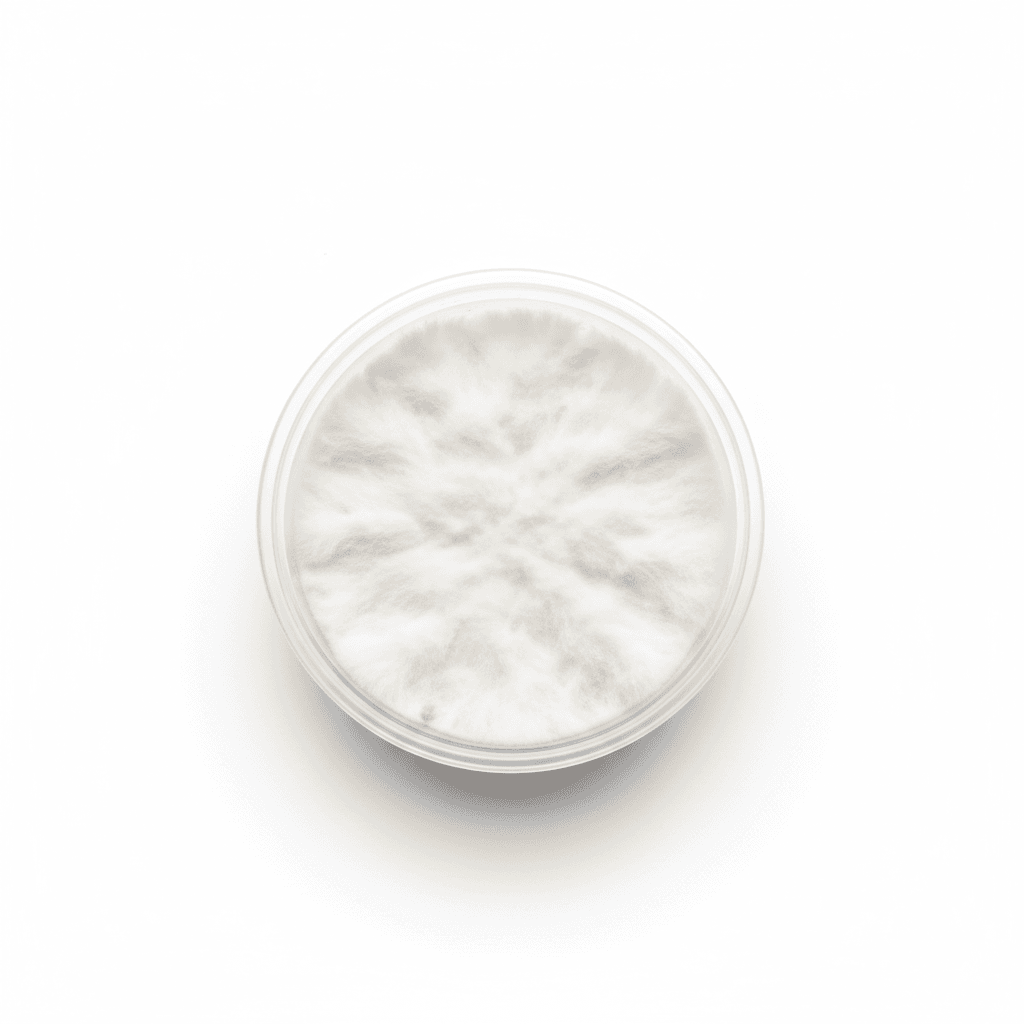
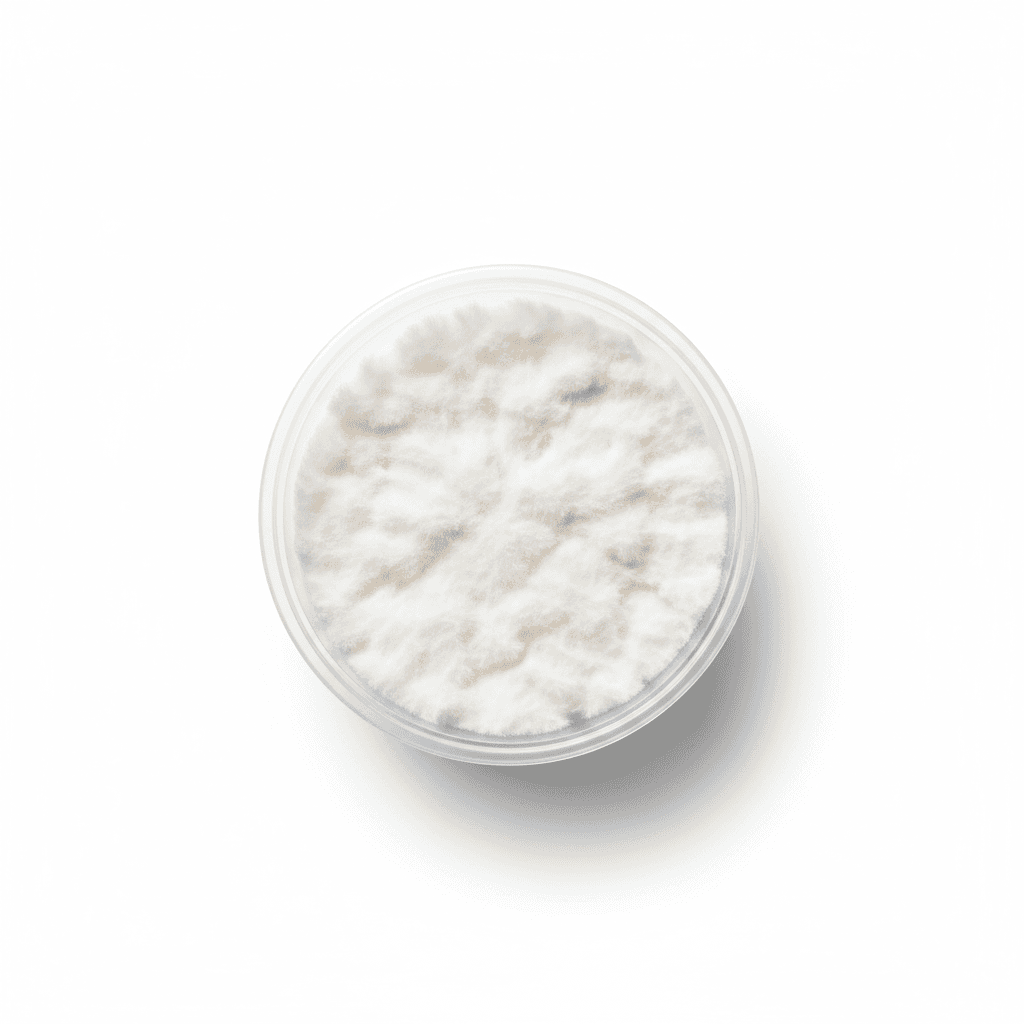
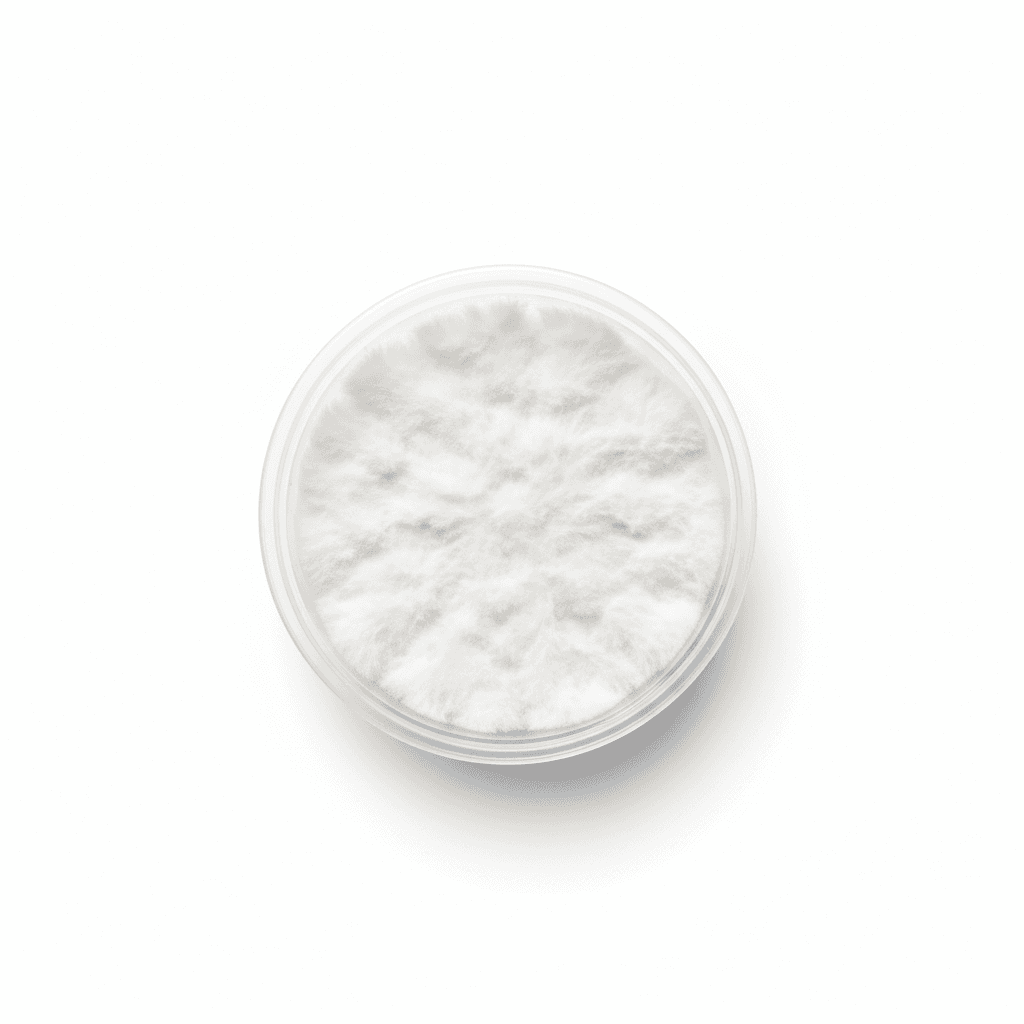
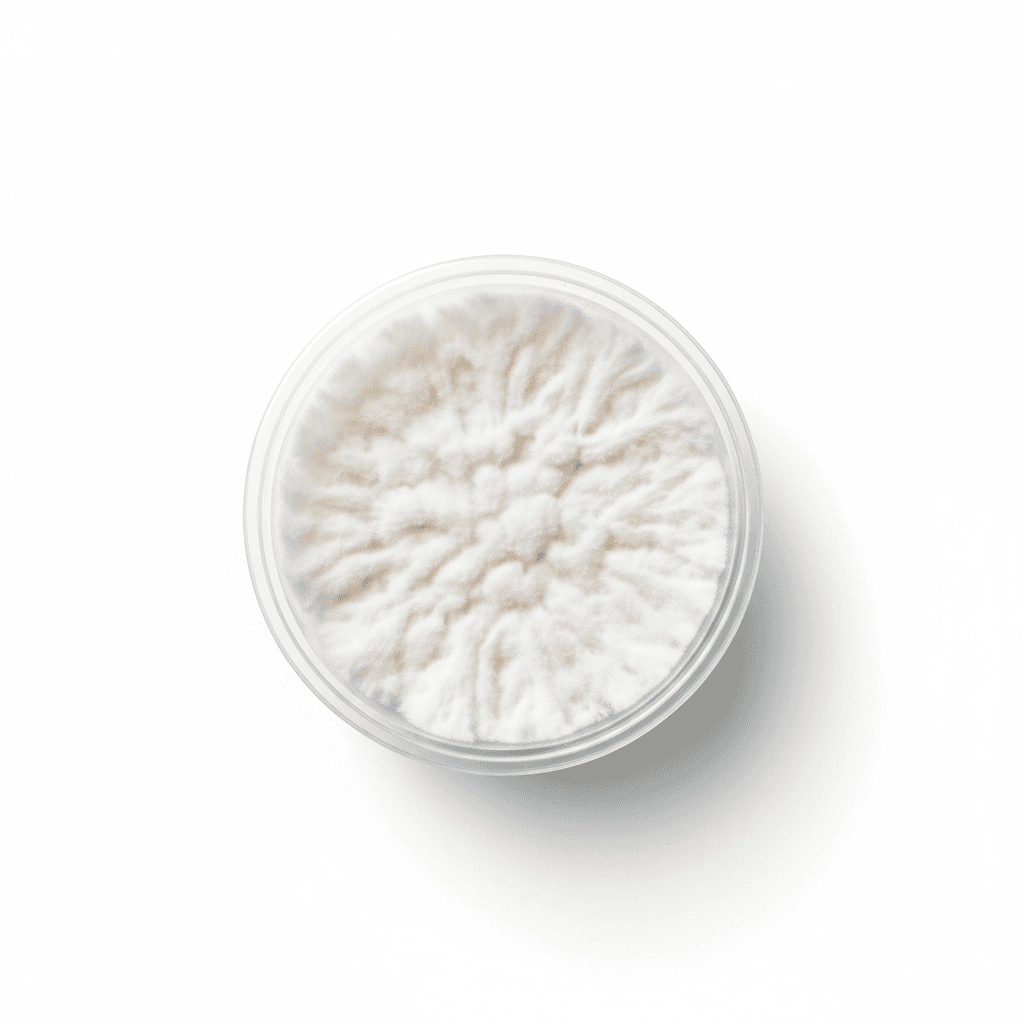
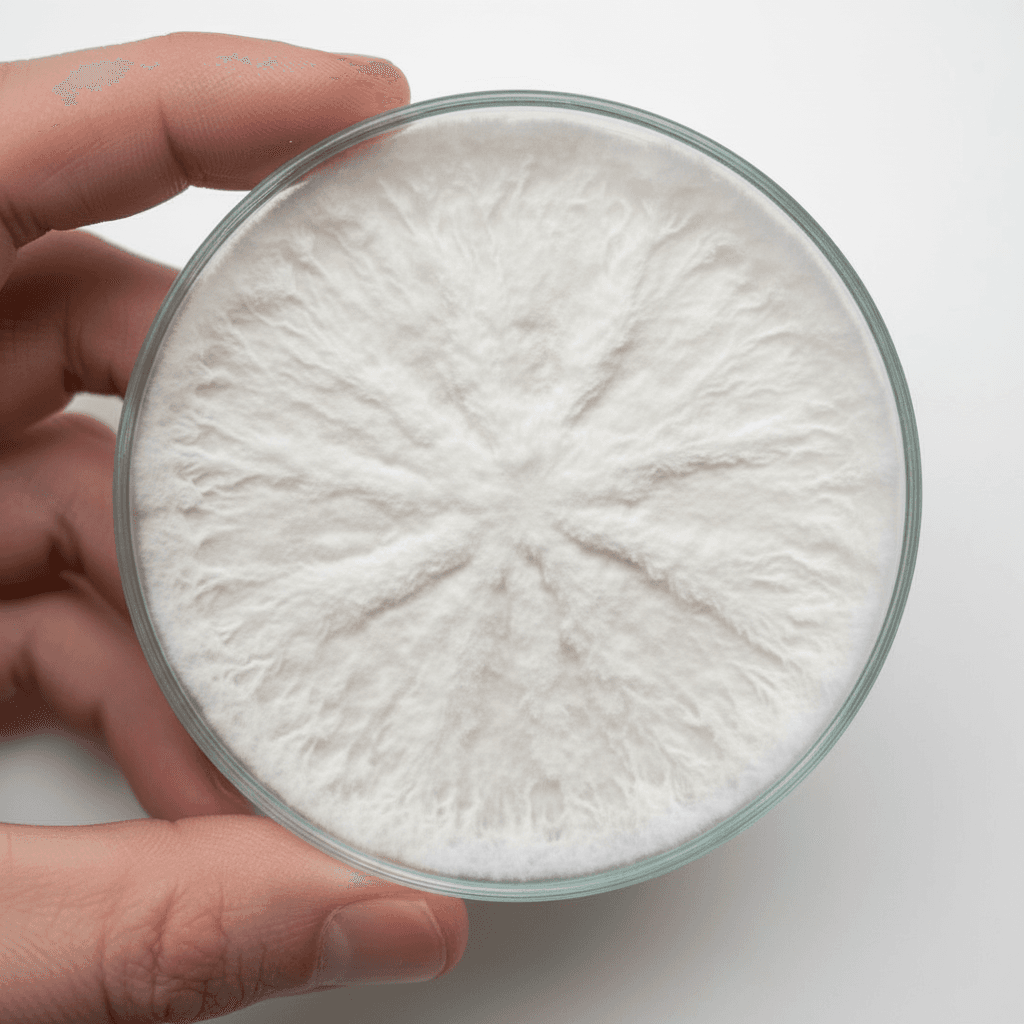
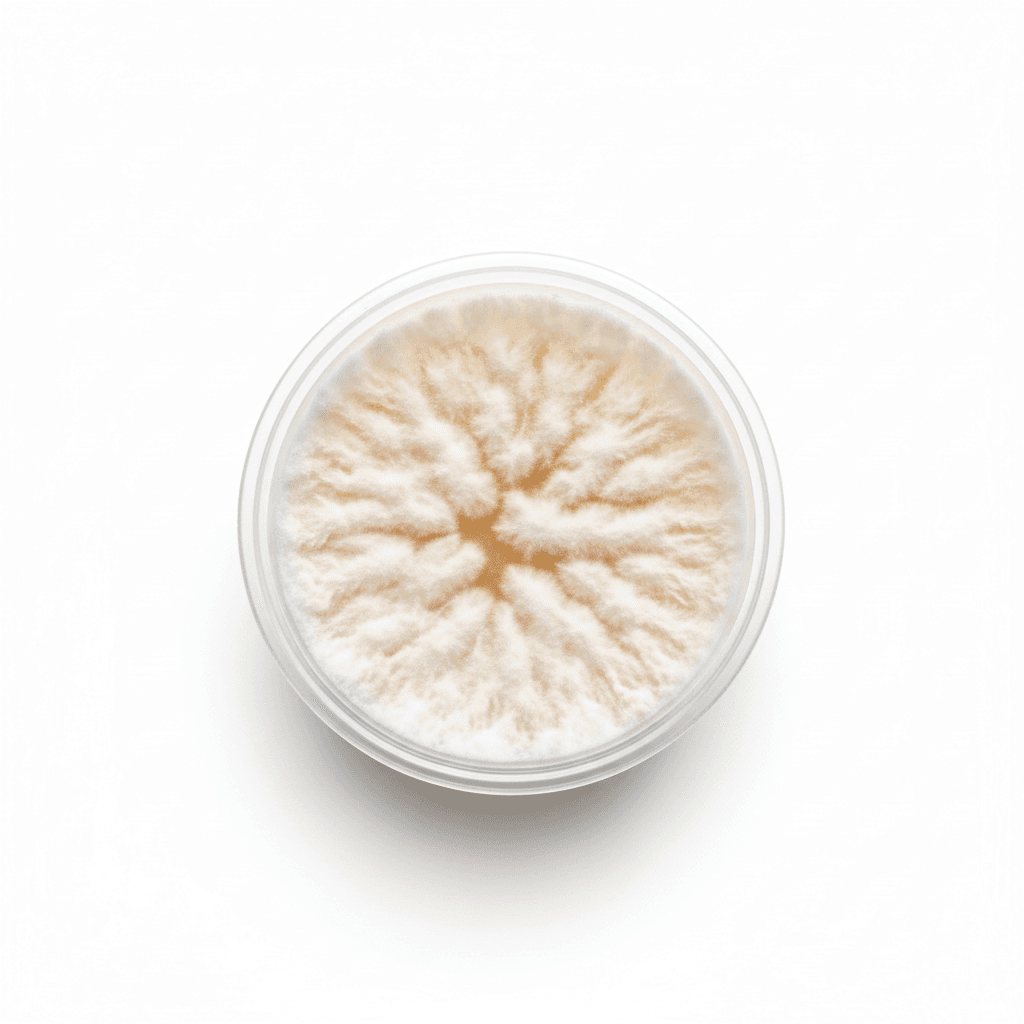
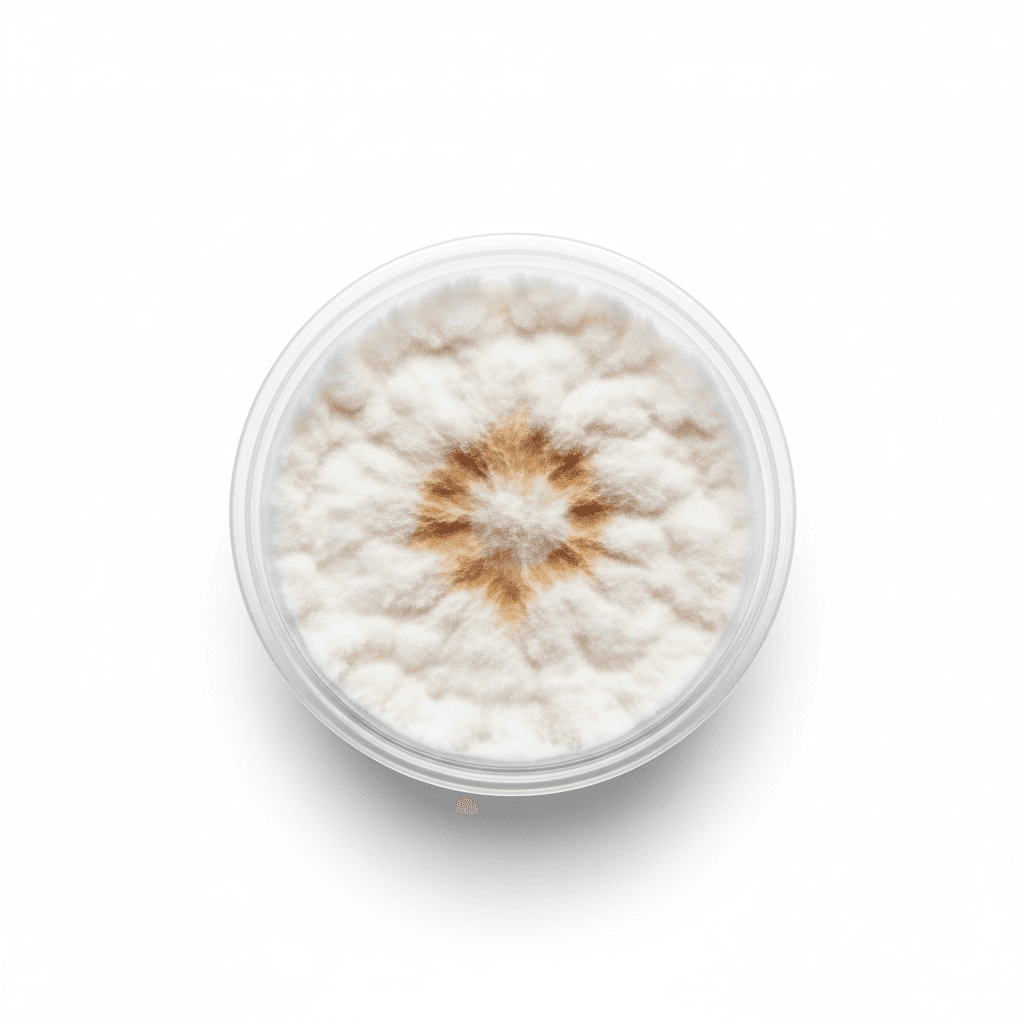
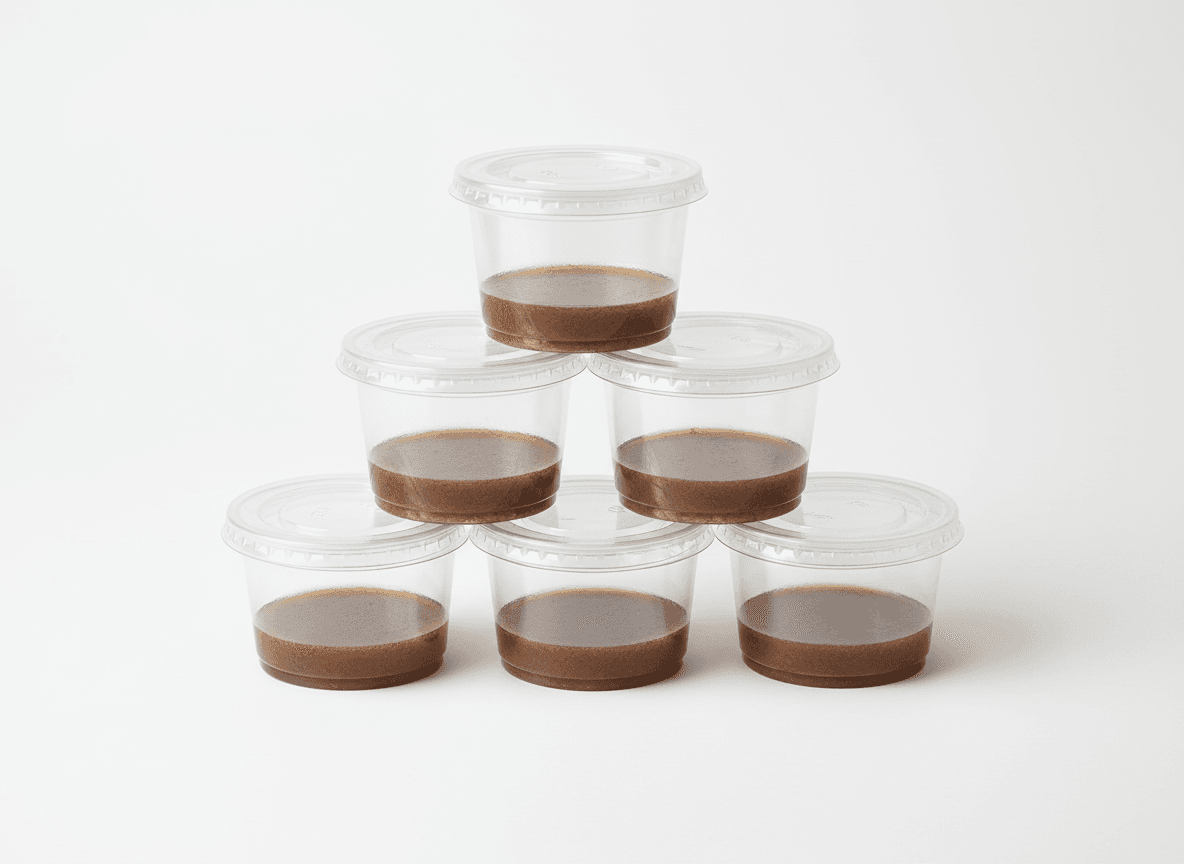
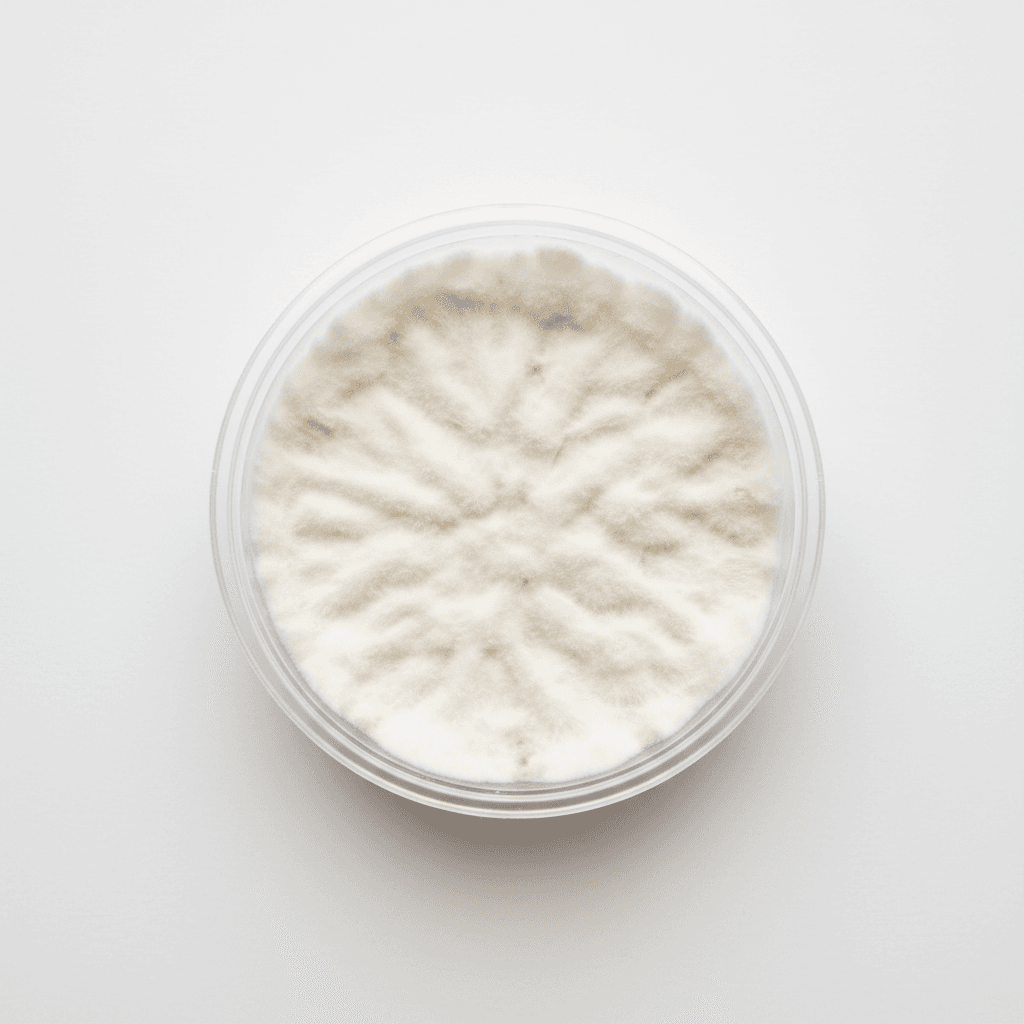
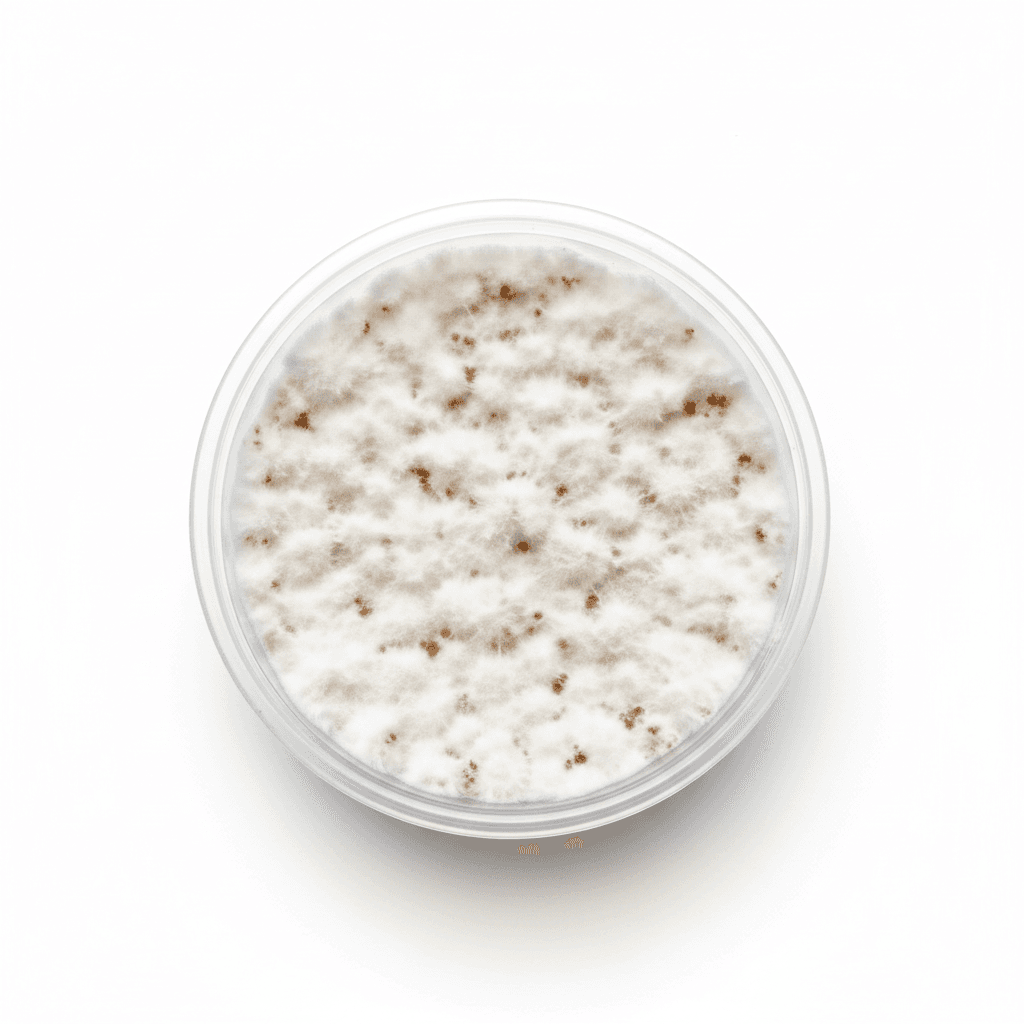
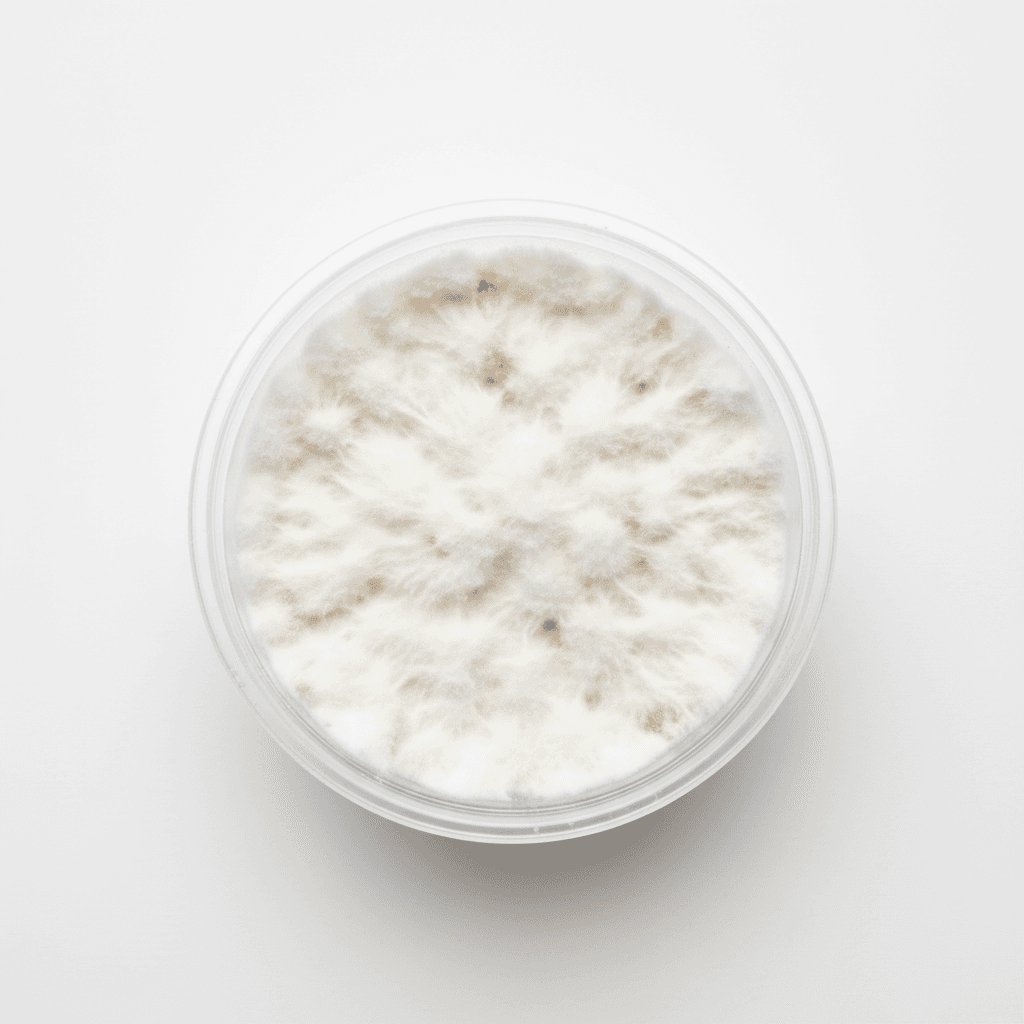
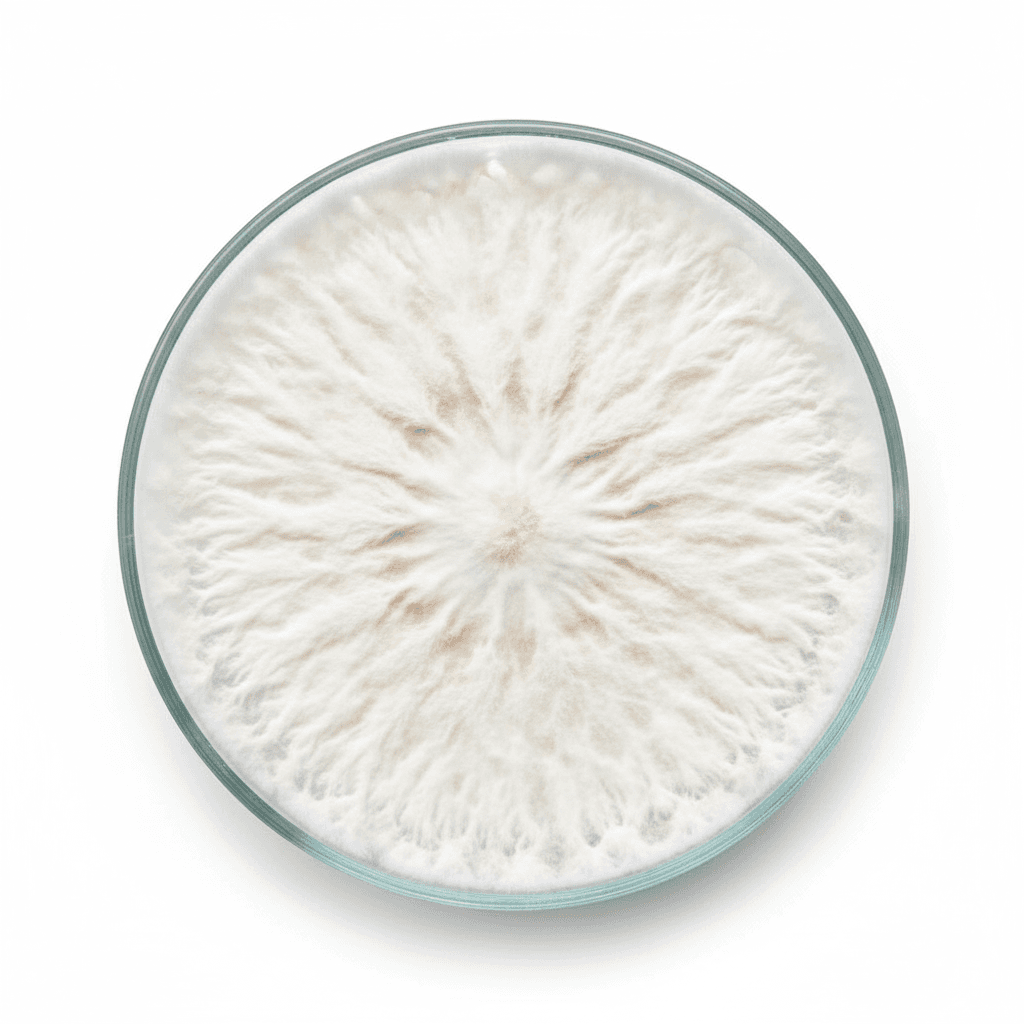
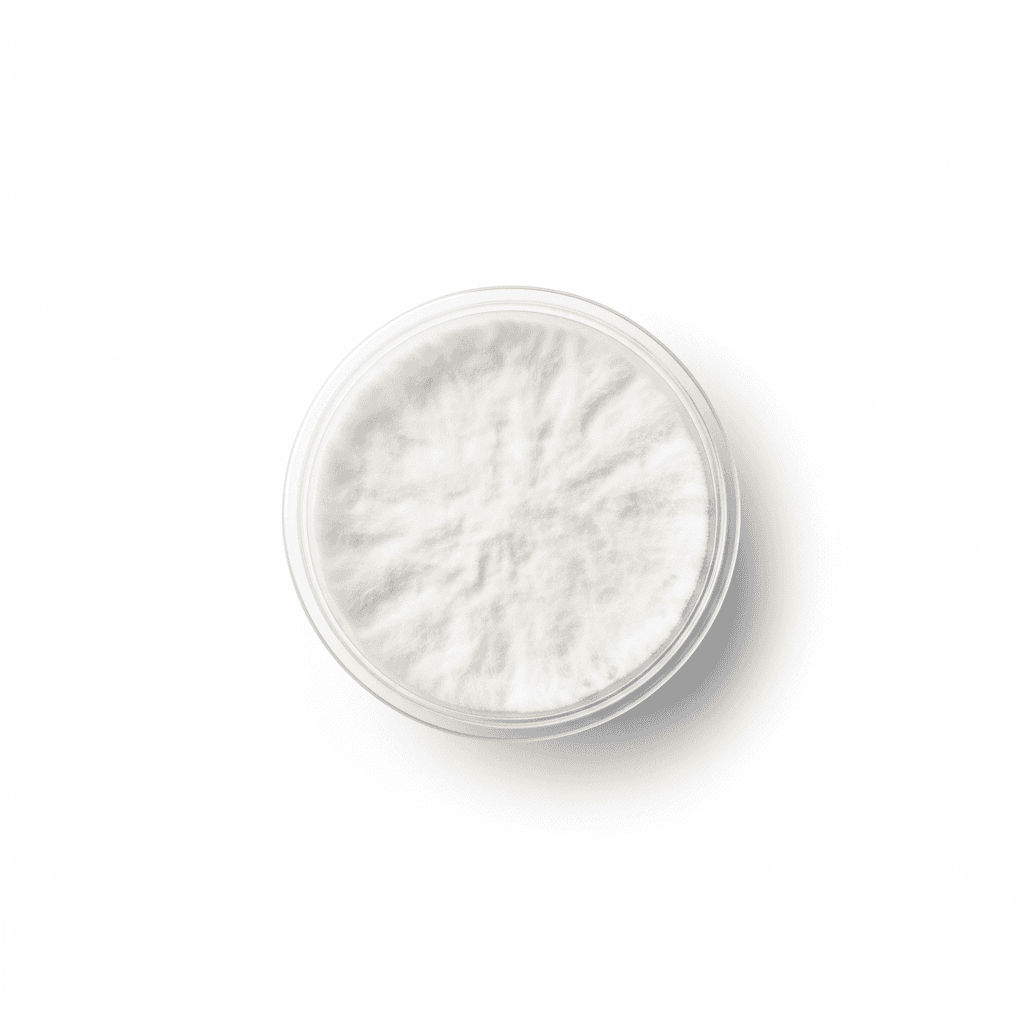
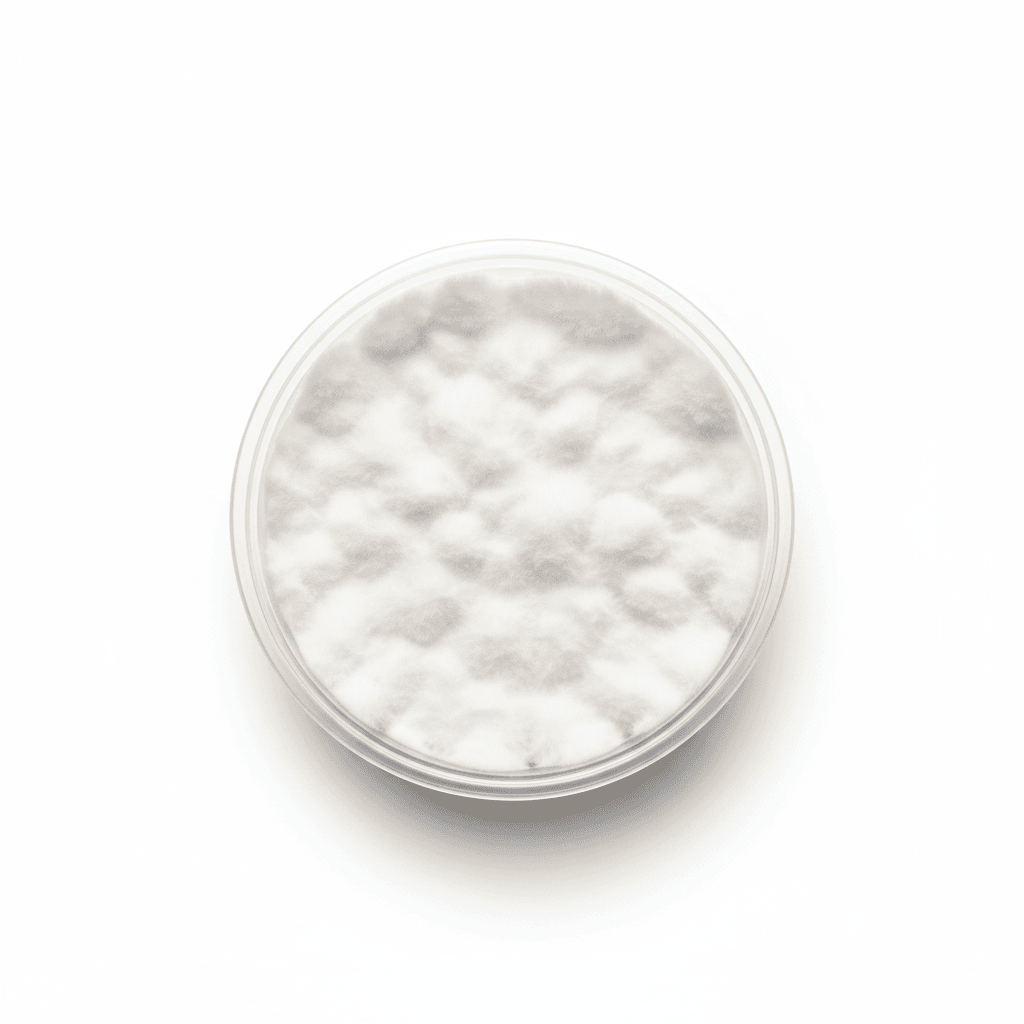
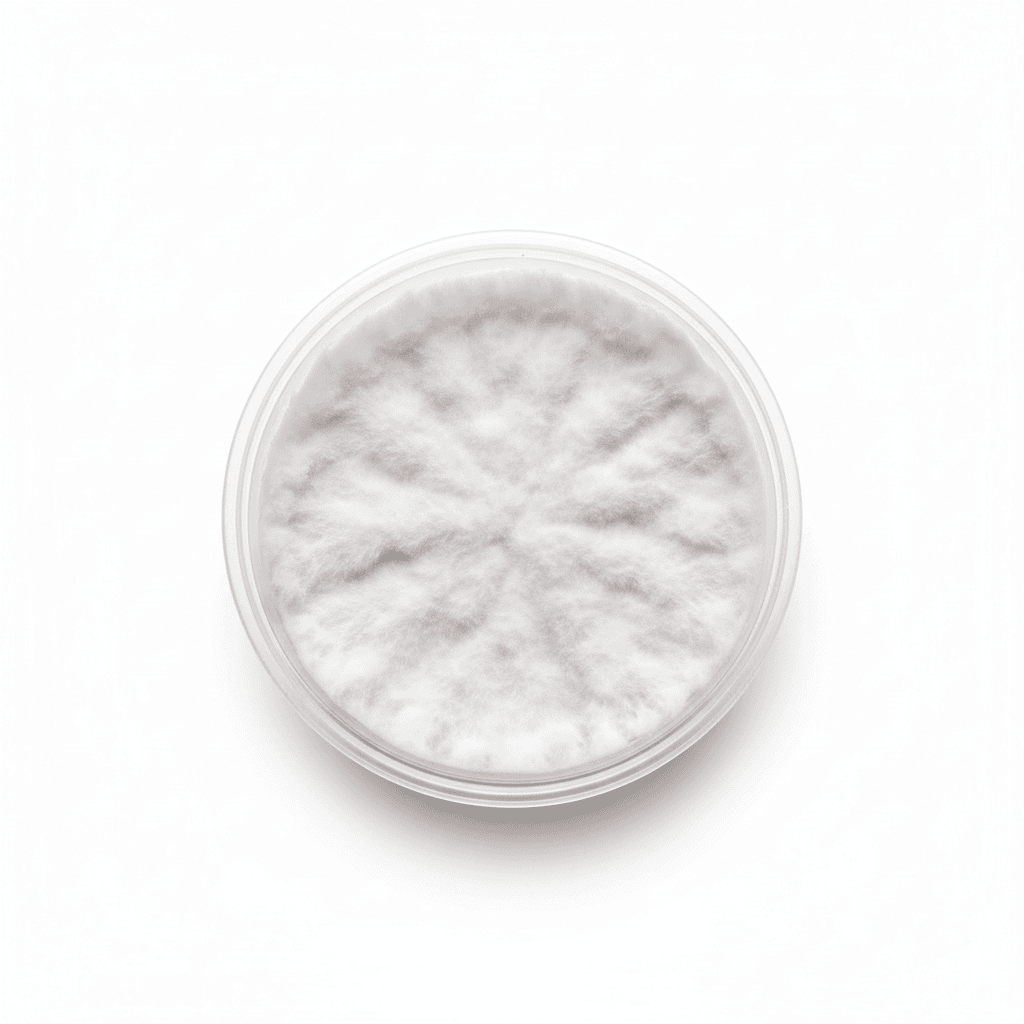
Agar plates are where serious mycology begins. Agar is a gel medium poured into petri dishes that provides a surface for mycelium to grow on. Uses include:
- Cloning — capturing the genetics of an exceptional mushroom by transferring inner tissue to agar
- Strain isolation — selecting the most vigorous mycelium from a multispore germination
- Contamination testing — checking cultures before committing to expensive grain spawn
- Long-term storage — maintaining a culture library in the refrigerator for 6-12 months
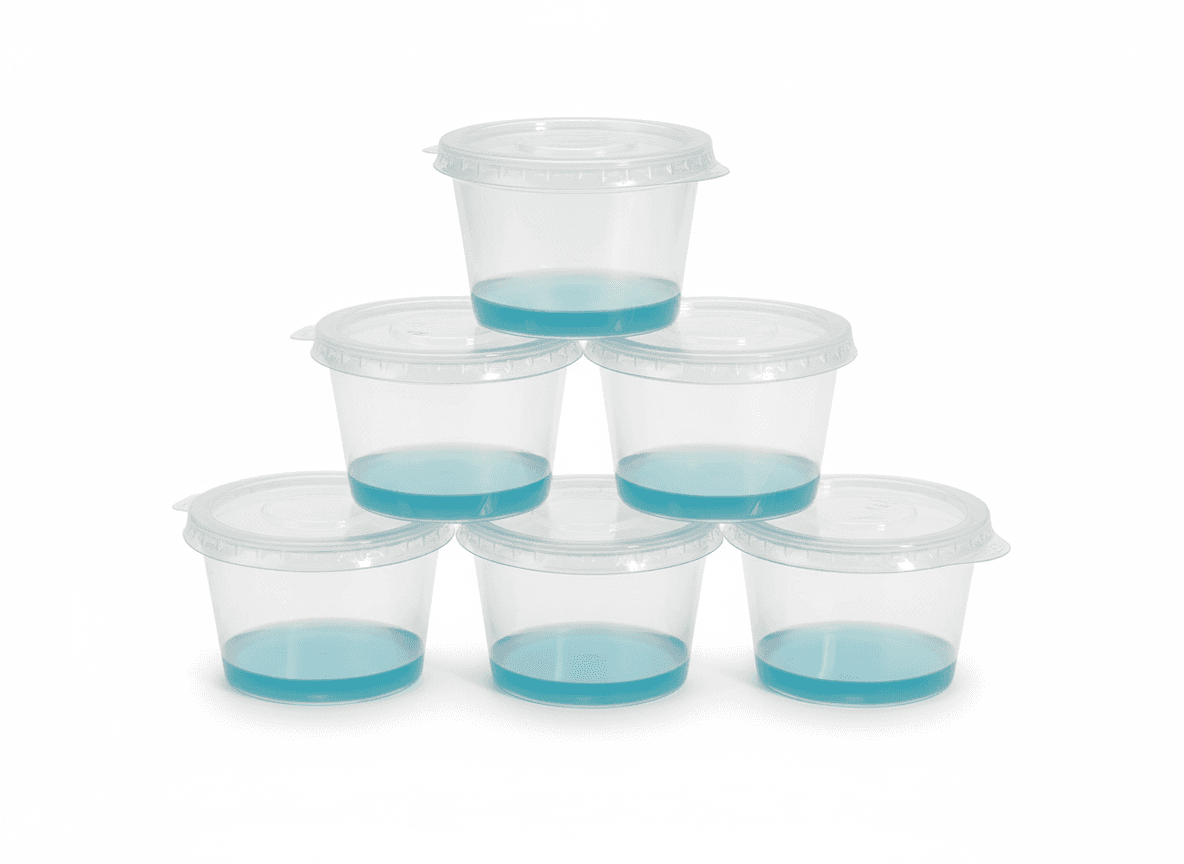
You can make your own agar plates with a pressure cooker, or buy pre-poured plates that are sterile and ready to use. For beginners, pre-poured plates eliminate the sterilization step and let you focus on learning transfer technique.
Pressure Cookers
A pressure cooker that reaches 15 PSI is essential for sterilizing grain, substrate, and agar media. Anything less than 15 PSI won't reliably kill all bacterial endospores. Popular models in Canada include the Presto 23-quart (fits 7 quart jars) and the All American 921 (a lifetime investment for serious growers).
If you're not ready to invest in a pressure cooker, you can still grow mushrooms using pre-sterilized substrate and grain spawn — the sterilization has already been done for you.
Still-Air Box vs Laminar Flow Hood
Clean air is non-negotiable for any work involving open cultures — inoculating grain, pouring agar, or making transfers. Two options:
- Still-air box (SAB): A clear plastic tote with arm holes. Costs under $20. Contaminant particles settle in still air, creating a workable clean zone. Adequate for hobbyist-scale work.
- Laminar flow hood: Pushes HEPA-filtered air across your workspace. Costs $300-$1,500+. The professional standard — faster, more reliable, and necessary for commercial production.
Start with a SAB. Upgrade to a flow hood when your volume justifies the investment or when contamination rates from SAB work become a limiting factor.
Commercial and Advanced Supplies
Scaling from hobby to small farm requires a few additional investments.
Grow Bags with Filter Patches
Autoclavable grow bags with built-in filter patches are the standard container for commercial mushroom substrate. The filter patch allows gas exchange while blocking contaminants. Available in multiple sizes:
- Small (2-5 lb): For individual fruiting blocks and spawn production
- Medium (5-10 lb): Standard commercial fruiting block
- Large (10-20 lb): Bulk substrate preparation
Key features to look for: 0.2-0.5 micron filter patch, polypropylene construction that withstands autoclave temperatures (121°C), and strong heat-seal seams.
Impulse Sealers
An impulse sealer creates an airtight heat seal across the top of a grow bag or spawn bag. Essential for any grower working with autoclavable bags. A 12-inch sealer handles most bag sizes and costs $50-$150. Commercial operations may prefer a 16-inch or foot-pedal model.
Commercial Equipment
For growers scaling past hobby production:
- Autoclaves — larger capacity than kitchen pressure cookers, with programmable cycles and better temperature uniformity
- Flow hoods — professional-grade laminar flow with 2'x4' or larger work surfaces
- Commercial spawn and supplies — bulk cases of grain spawn (6-packs), substrate ingredients, and grow bags at volume pricing
- Environmental controls — humidifiers, timers, fans, and controllers for dedicated grow rooms
- Shelving and racking — commercial-grade wire shelving for fruiting rooms
Where to Buy Mushroom Growing Supplies in Canada
Finding reliable mushroom growing supplies in Canada used to mean importing from the United States, dealing with customs delays, and paying exchange premiums. That's changed.
Nature Lion Inc — Brantford, Ontario
Nature Lion is a CFIA-licensed mushroom cultivation supply company based in Brantford, Ontario. We produce grain spawn, liquid cultures, agar plates, and functional mushroom products in-house at our federally inspected facility — nothing is resold or imported from third parties.
What we offer:
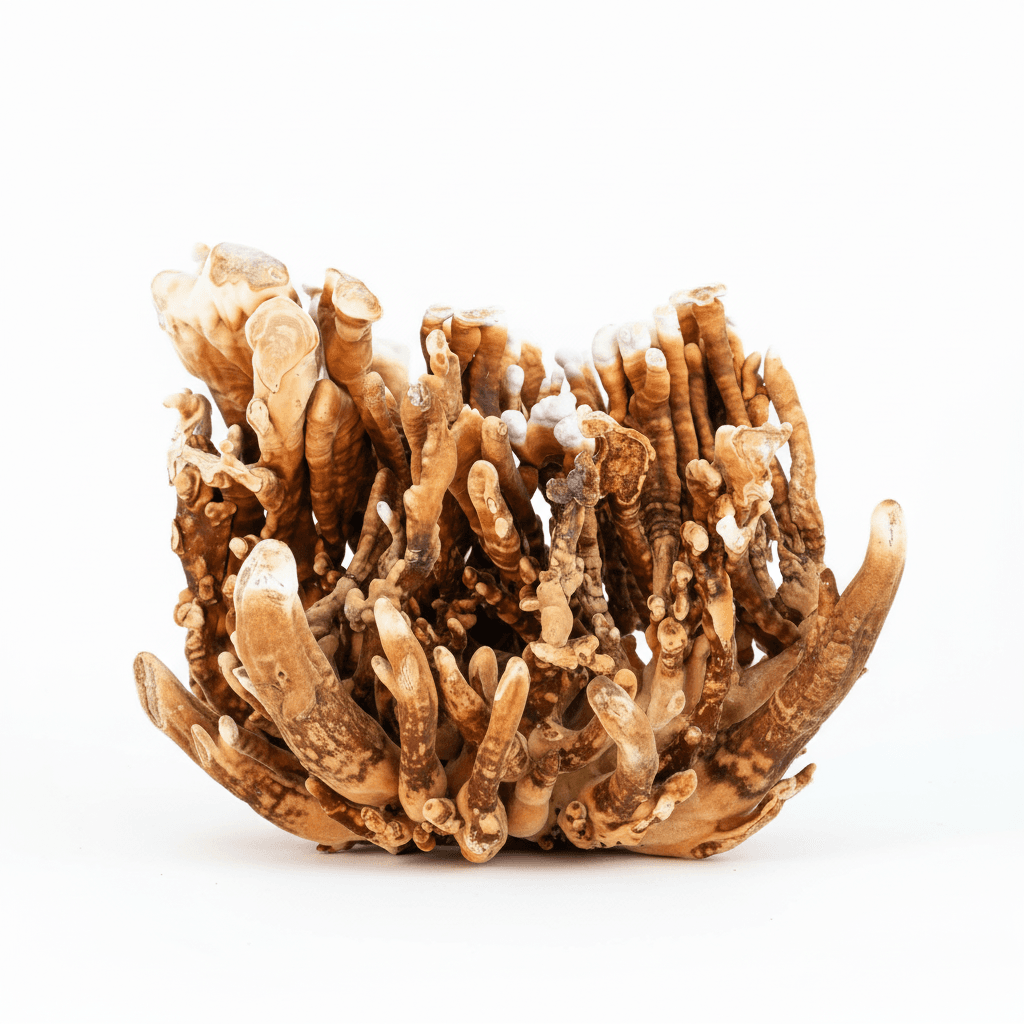
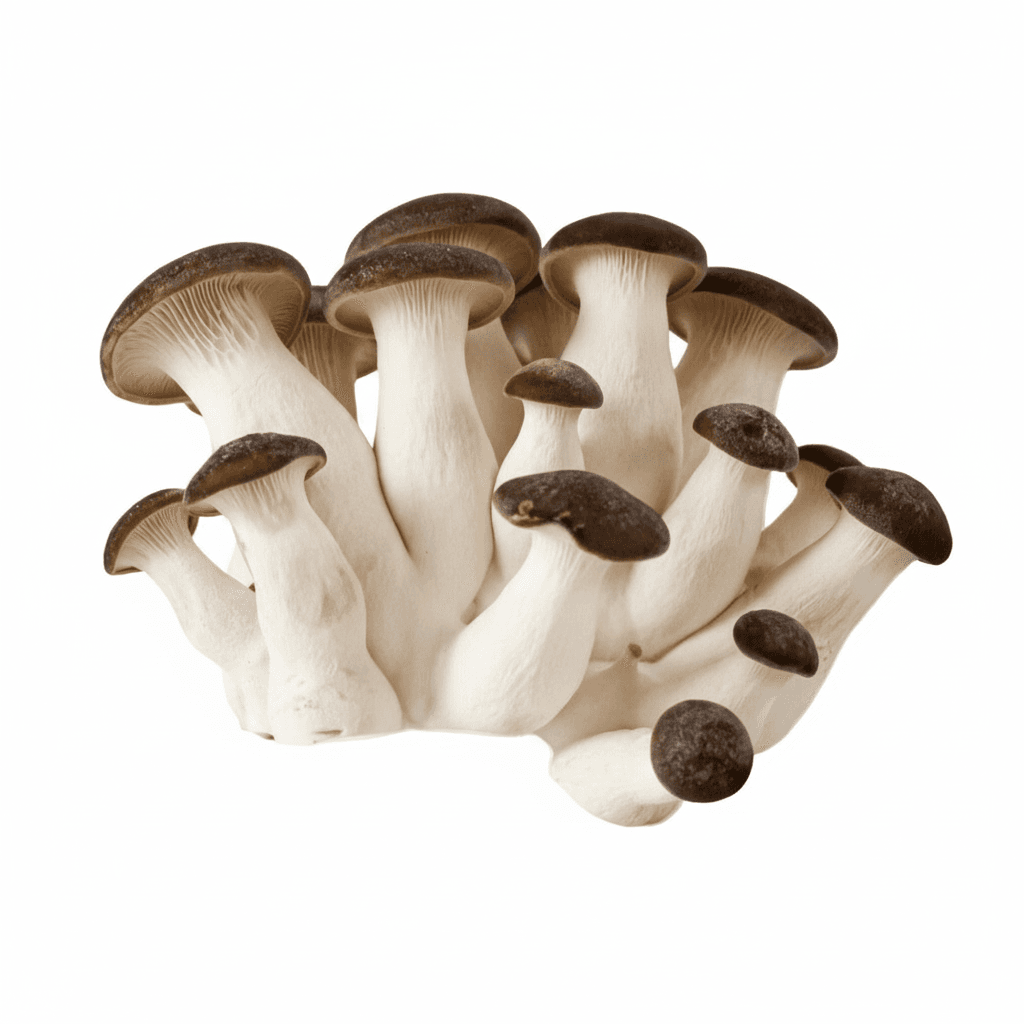
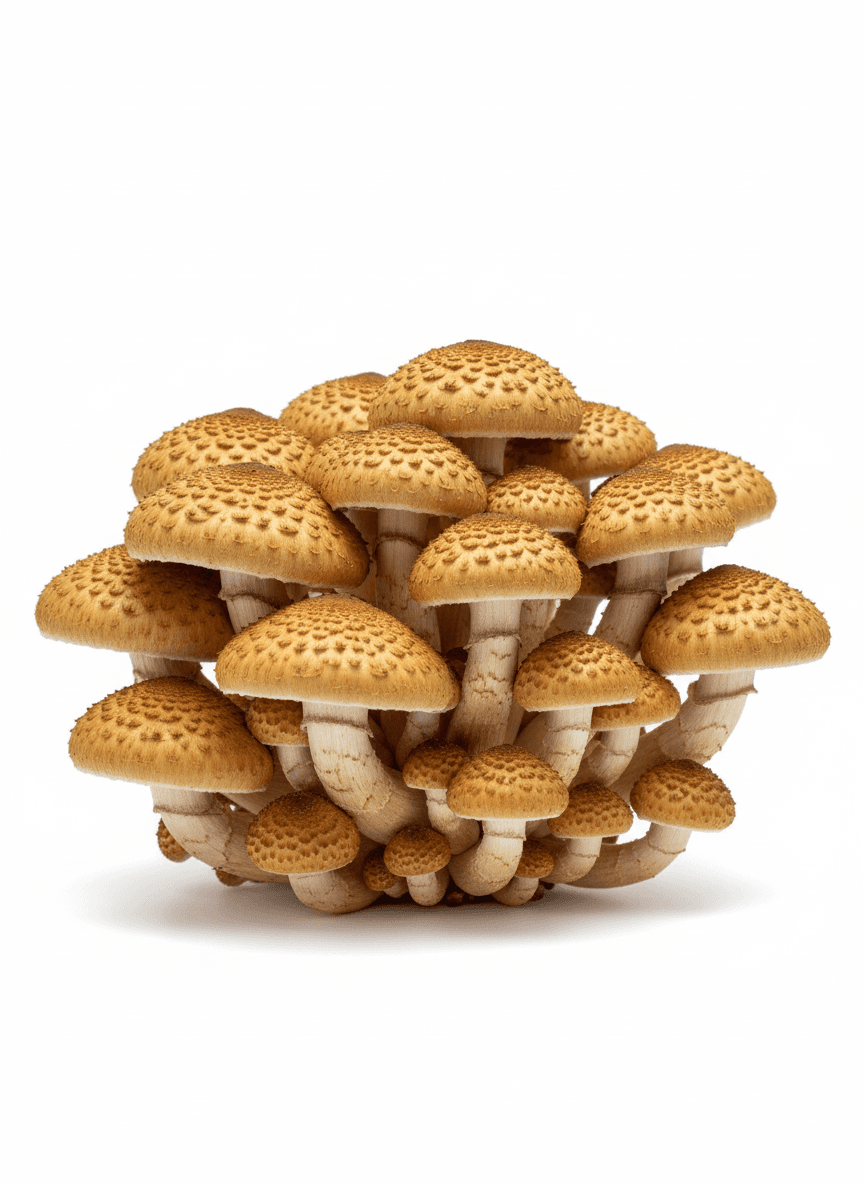
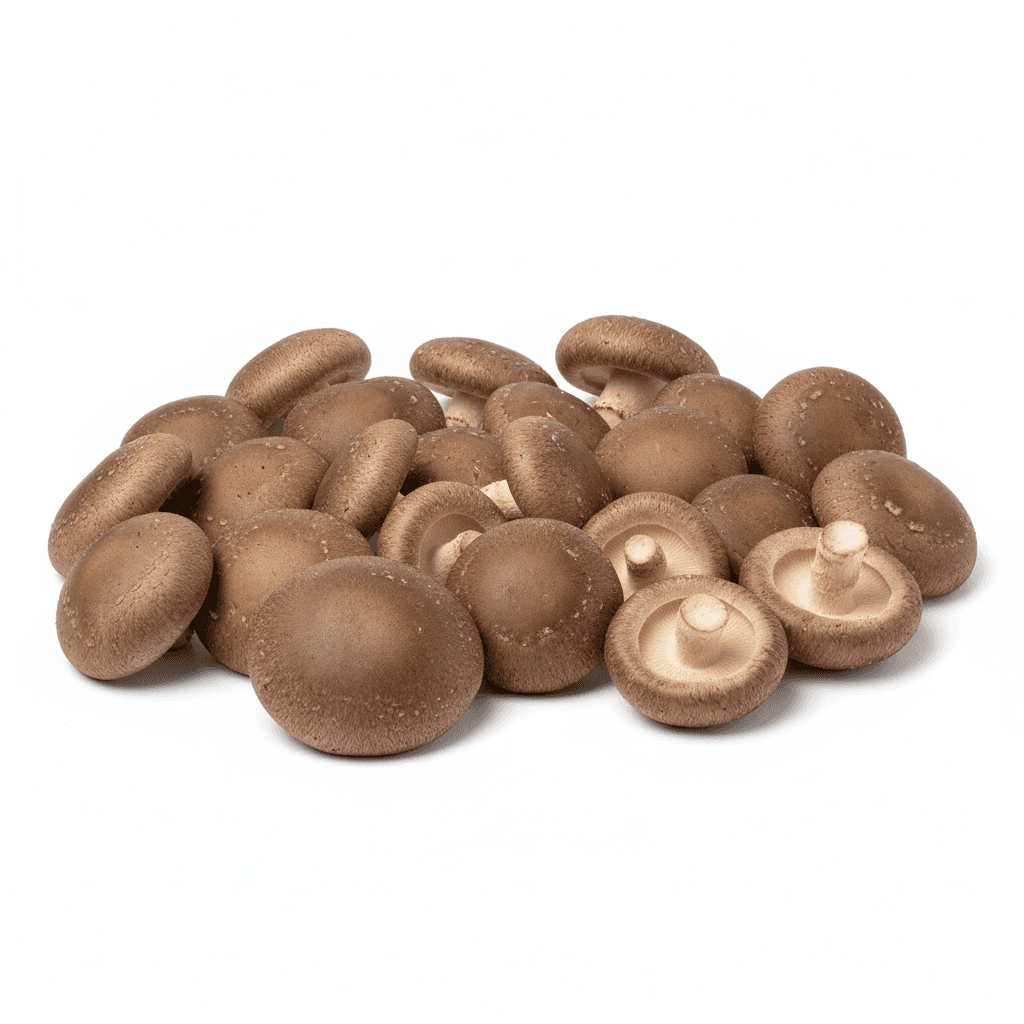
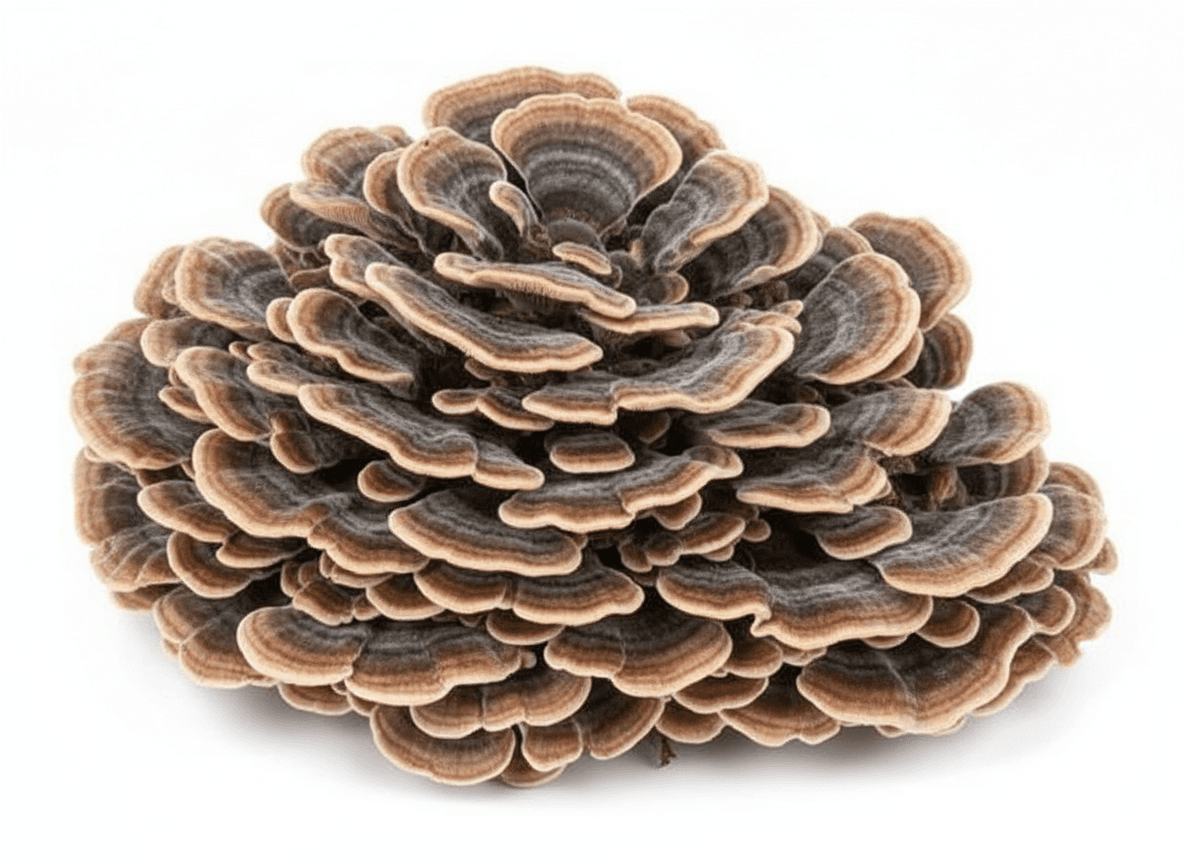
- 15+ grain spawn varieties on certified organic millet — Lion's Mane, Blue Oyster, Pink Oyster, Shiitake, Turkey Tail, King Trumpet, Chestnut, Antler Reishi, and more
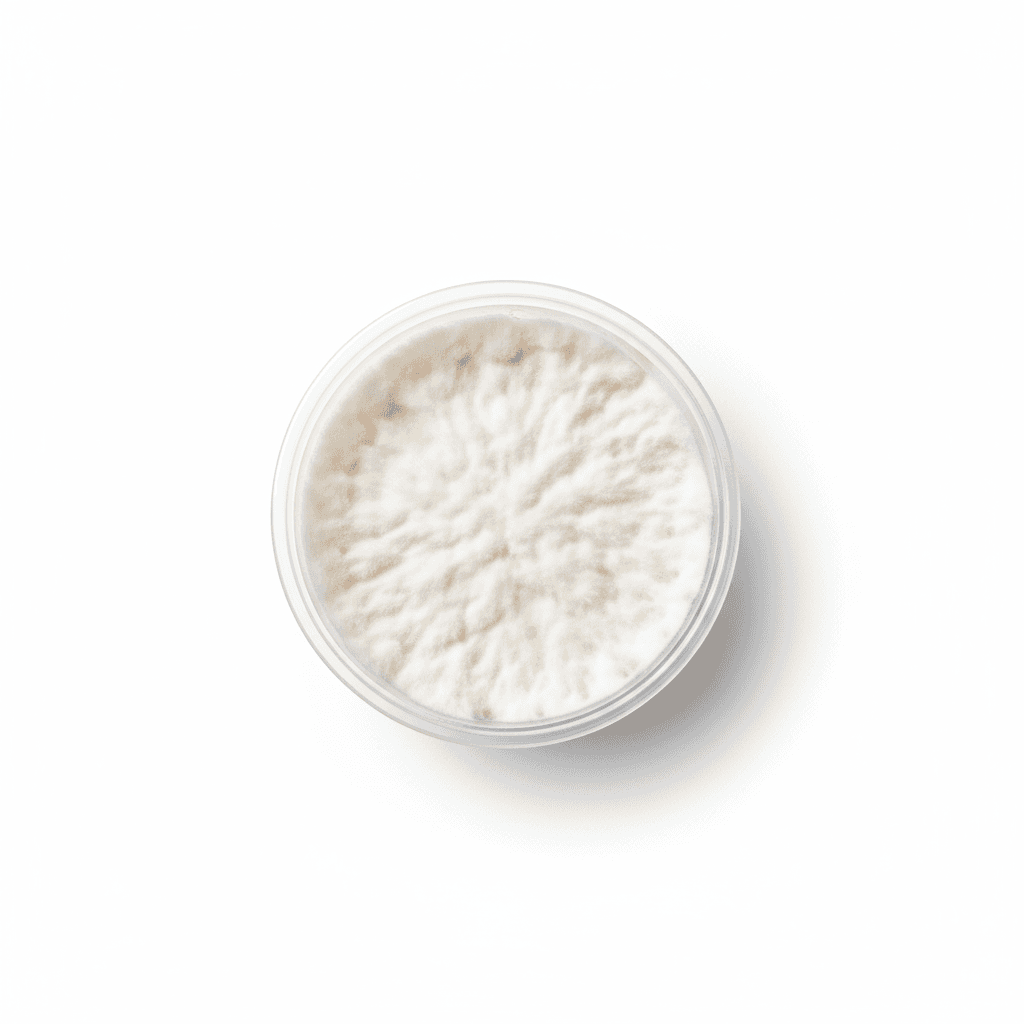
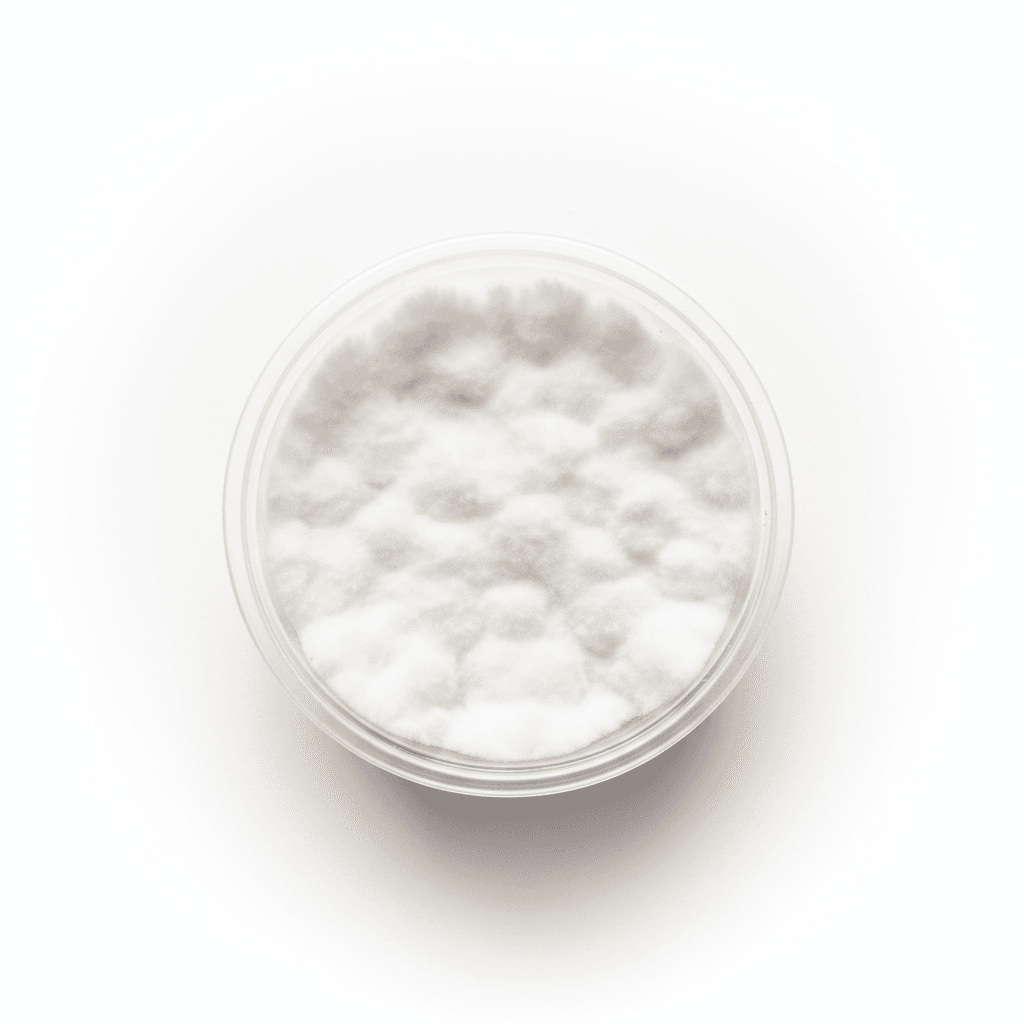
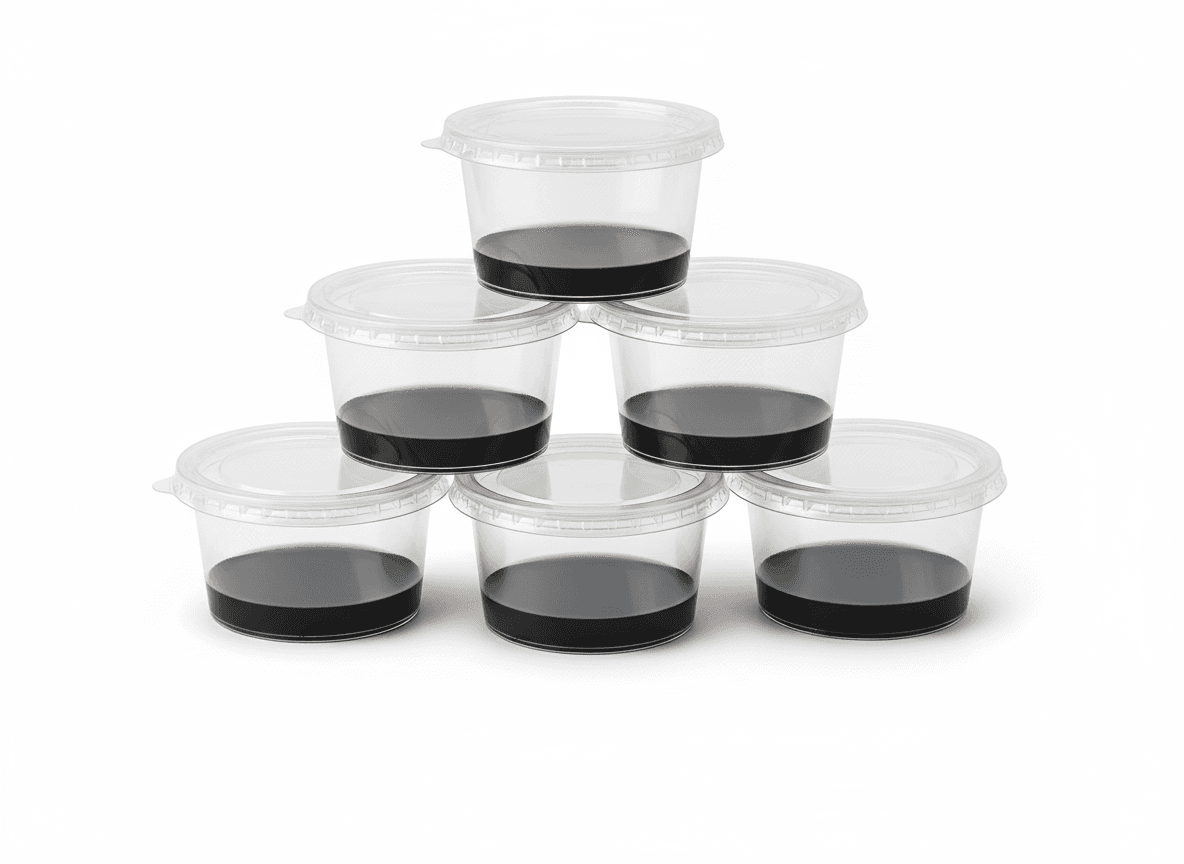
- 26+ agar culture species — pre-poured blank plates in 8 media types and colonized master cultures with verified genetics
- Liquid cultures in 3cc syringes and 200ml commercial jars
- Grow bags, substrate, grow kits, and commercial supplies
- Free shipping on orders over $50 across Canada
Over 50,000 Canadian customers have ordered from Nature Lion. Every product is produced in our own lab, tested for contamination, and shipped fresh. When you buy from a Canadian supplier, you eliminate customs delays, avoid cross-border shipping costs, and support domestic manufacturing.
Why Buying Canadian Matters
Beyond convenience, buying mushroom supplies from a Canadian supplier means:
- No customs or import delays — your order ships within Canada
- No exchange rate surprises — pay in Canadian dollars
- Faster shipping — most orders arrive within 3-7 business days
- CFIA oversight — Canadian suppliers operating under federal inspection meet rigorous food safety standards
- Supporting local — your purchase supports Canadian jobs and manufacturing
Frequently Asked Questions
What supplies do I need to start growing mushrooms at home?
The simplest way to start is with a mushroom grow kit, a spray bottle, and a location with indirect light and fresh air. No other equipment is needed. If you want to work with raw materials, add grain spawn, pre-sterilized substrate, and a still-air box.
What is the best mushroom for beginners in Canada?
Blue Oyster mushrooms are the most forgiving species for Canadian beginners. They tolerate a wide temperature range (10-24°C), colonize quickly, produce heavy yields, and resist contamination better than most species. Lion's Mane is another excellent choice for its culinary and functional value.
How much does it cost to start growing mushrooms?
A mushroom grow kit costs $25-$40 and produces 2-4 harvests. Starting with raw materials (grain spawn, substrate, grow bags, and a still-air box) costs roughly $100-$200. A full intermediate setup with a pressure cooker, agar supplies, and flow hood runs $500-$1,500.
Do I need a pressure cooker to grow mushrooms?
No. You can grow mushrooms successfully using pre-sterilized substrate and commercially produced grain spawn — the sterilization has already been done for you. A pressure cooker becomes necessary only when you want to prepare your own grain, substrate, or agar media from scratch.
Where can I buy mushroom growing supplies in Canada?
Nature Lion Inc (naturelion.ca) is a CFIA-licensed Canadian supplier based in Brantford, Ontario. We produce grain spawn, liquid cultures, agar plates, grow kits, and commercial supplies in-house and ship free across Canada on orders over $50. Browse our full selection at naturelion.ca/shop.