
Chaga is the one wild mushroom Ontario foragers can hunt in the dead of winter — and honestly, winter is when you should hunt it. The black, cracked conks stand out against white birch bark and snow like burnt charcoal, the bush is free of bugs and undergrowth, and the birch trees are dormant, which is when traditional harvesters have always preferred to take it.
This guide covers the full chaga season in Ontario, how to tell real chaga from the burls and black knot that fool beginners every year, where the birch belts are, the legal picture on crown land, and how to harvest without killing the resource — because a chaga conk takes years to grow, and a stripped tree doesn't grow another one for you next season.
If you're new to foraging entirely, start with our full mushroom foraging in Ontario guide for the crown land rules, gear, and general safety framework. This page goes deep on one species.
What Chaga Actually Is
Chaga (Inonotus obliquus) isn't a mushroom in the way a chanterelle is. The black mass you harvest is a sterile conk — a dense, woody outgrowth of fungal mycelium and birch compounds that erupts through the bark of a living birch tree. The fungus lives inside the tree for years, and the conk is the visible part of that long relationship.
Two features define it:
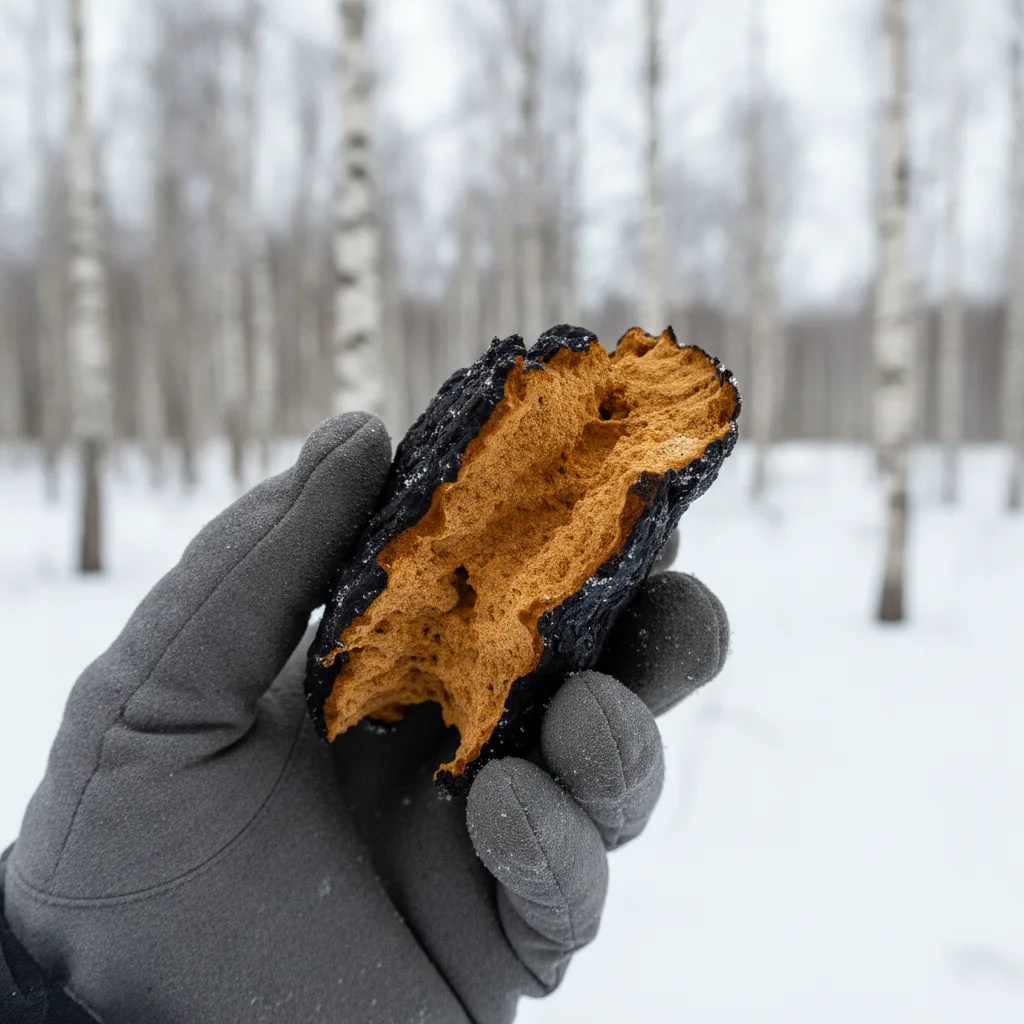
- The exterior is black and deeply cracked, like burnt charcoal or dried lava. This layer is loaded with dark pigment and feels hard and brittle.
- The interior is a rusty golden-orange with a cork-like texture and subtle cream-coloured veins. If you break a piece off and the inside isn't golden, you didn't find chaga.
Chaga grows almost exclusively on birch — in Ontario that means white (paper) birch and yellow birch. Anything chaga-like growing on maple, oak, or poplar is something else and should stay in the forest.
What to take with you
Foraging needs very little kit, and the three things that matter each do a different job: carry the find without crushing it, cut it without damaging what is left behind, and clean it dry.
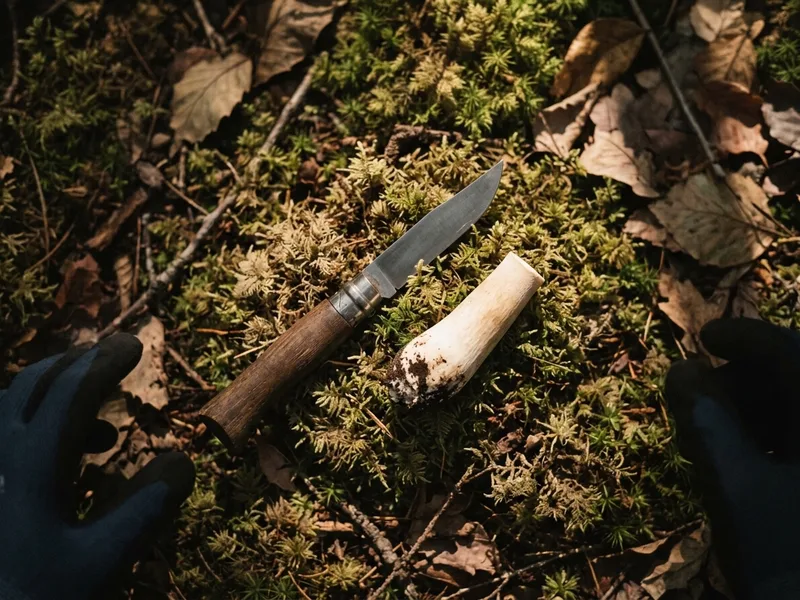
Opinel No. 08 Mushroom Knife
A curved blade cuts the stem cleanly at the base instead of tearing the mycelium out with it, and the boar bristle brush is set into the handle so cleaning happens in the field rather than at the sink.
When you buy through our links, it supports our mycology research at no extra cost to you.
Chaga Harvesting Season in Ontario
Here's the answer to the question that brings most people to this page: chaga is technically available year-round in Ontario, but the traditional and practical harvest window is late fall through early spring — roughly October to March.
Why the cold months win:
- Visibility. With leaves down, black conks against white bark are visible from 50 metres. In July, the same conk hides behind foliage.
- Tree dormancy. Traditional harvesters take chaga when the birch's sap is down. The conk is drier and denser in winter, and cutting is less stressful for the tree than during the growing season.
- No spoilage race. A conk harvested at -10°C is effectively pre-chilled and won't grow mold in your pack. A conk harvested in humid August heat needs to be dried fast or it spoils.
- Easier travel. Frozen ground and snowpack make off-trail birch stands accessible in ways that spring mud and summer deadfall don't. Snowshoes open up territory ATVs can't reach.
Can you harvest chaga in summer? You can — the conk doesn't disappear. But you'll find fewer of them, work harder for each one, and race the humidity to dry your harvest. If chaga is your target species, wait for the leaves to drop.
Chaga vs Birch Burl: The Mistake Everyone Makes Once
The single most common chaga error in Ontario isn't dangerous — it's just disappointing. Birch burls are woody growths on the same trees, roughly the same size, and from a distance, roughly the same shape. Every winter, someone spends twenty minutes chopping one off before realizing it's solid wood.
| Feature | Chaga | Birch burl |
|---|---|---|
| Exterior | Black, deeply cracked, charcoal-like | Same bark as the tree, maybe rougher |
| Interior | Golden-orange, cork-like, crumbles | Solid pale wood, hard as the trunk |
| Texture | Brittle crust, softer core | Uniformly dense wood throughout |
| Attachment | Erupts through a bark wound | A swelling of the trunk itself |
| When struck | Dull thud, chips off in chunks | Rings solid like knocking on wood |
The five-second field test: chip off a thumb-sized piece with a knife. Golden-orange cork inside means chaga. Pale wood means burl — apologize to the tree and move on.
The other lookalike is black knot fungus (Apiosporina morbosa), which forms black, crusty swellings — but on cherry and plum trees, not birch, and the knots are elongated along branches rather than erupting from the trunk. Tree ID solves this one entirely: if it's not on birch, it's not chaga.
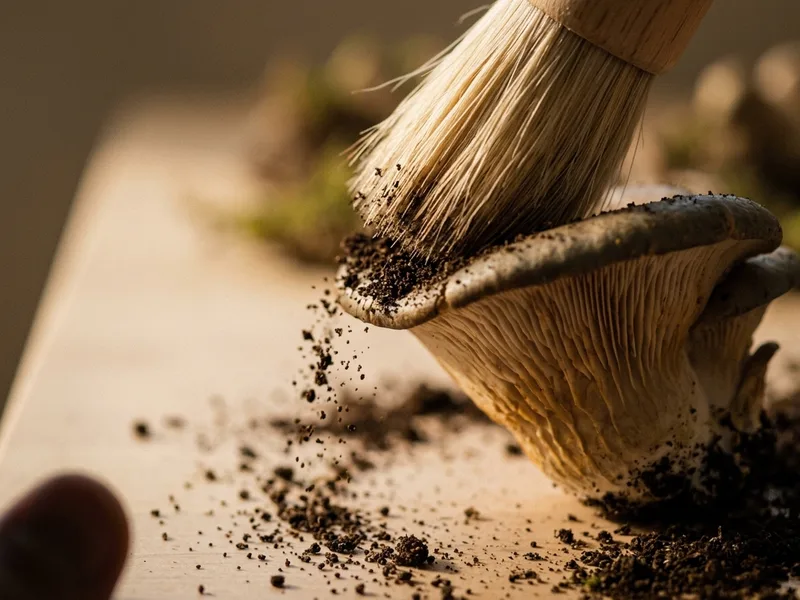
Redecker Natural Pig Bristle Mushroom Brush
Soft enough to take soil off a cap without tearing the skin. Mushrooms absorb water, so brushing dry beats rinsing every time, and anything you plan to dry has to be cleaned this way.
When you buy through our links, it supports our mycology research at no extra cost to you.
Where to Find Chaga in Ontario
Chaga follows birch, and birch density climbs as you go north. The productive zones:
- The boreal shield — from Sudbury and North Bay up through Timmins and beyond, white birch is everywhere and chaga is as abundant as it gets in Ontario. This is the heart of the range.
- Algoma District — the birch-heavy forests around Sault Ste. Marie, Wawa, and the highlands east of Lake Superior (on crown land outside the provincial park boundaries) are prime territory.
- Algonquin fringe and the Almaguin Highlands — the mixed forest around (not inside — see legality below) Algonquin Park supports strong birch stands, especially on higher, cooler ground.
- Ottawa Valley — Renfrew County, the Madawaska Valley, and the bush around Barry's Bay and Killaloe hold productive pockets of white and yellow birch, particularly on north-facing slopes.
- Haliburton and North Hastings — Canadian Shield country with plentiful crown land access off Highways 28 and 62.
Southern Ontario isn't hopeless — yellow birch in cooler ravines and swamp edges occasionally carries chaga — but the density south of the Shield is a fraction of what the north offers. If you're driving to forage, drive north.
Within any birch stand, focus on mature and stressed trees. Chaga colonizes through wounds, so trees with broken limbs, frost cracks, and old scars carry conks more often than young, clean-barked ones. Check trunks from eye level up to several metres — conks grow high, and winter sightlines help here too.
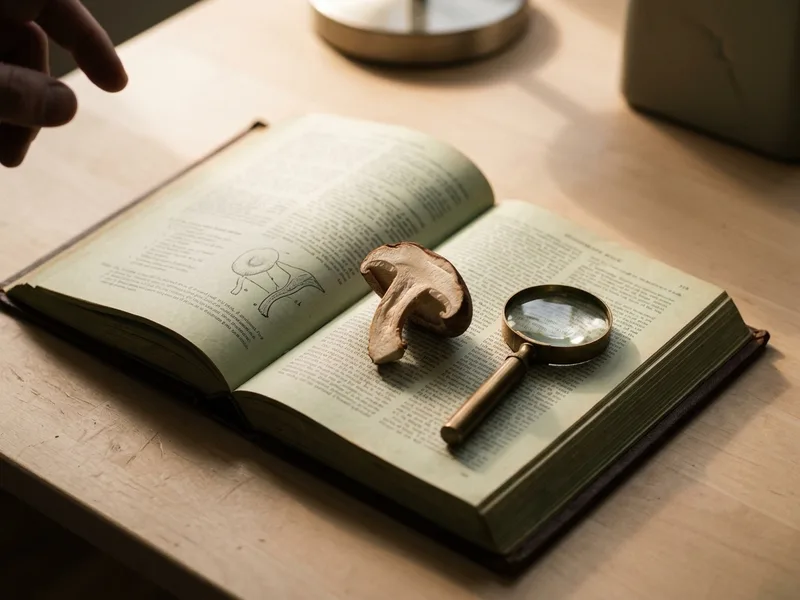
Growing Gourmet and Medicinal Mushrooms
Most people who forage for a season start wondering whether they can grow the same species deliberately. This is the standard cultivation reference, with substrate, spawn and fruiting conditions worked through species by species. A different book from a field guide and worth owning alongside one.
When you buy through our links, it supports our mycology research at no extra cost to you.
Is It Legal to Harvest Chaga in Ontario?
The same framework as all mushroom foraging in the province:
- Crown land: yes, for personal use. Ontario's public lands — about 87% of the province — are open to non-commercial foraging. Northern Ontario, where the chaga is, is overwhelmingly crown land.
- Provincial parks and conservation reserves: no. Removing any natural object from a provincial park is prohibited. Algonquin, Killarney, Lake Superior — the parks themselves are off-limits; the crown land around them is not. Know where the boundary is; it's your job, not the park's.
- Private land: only with permission. A surprising amount of prime birch country in the Ottawa Valley and cottage country is privately held. Ask first.
- Commercial harvest is a different game. Selling wild-harvested chaga moves you into commercial territory with its own considerations. This guide covers personal harvest only.
The full legal picture — including conservation authority lands and municipal forests — is in our Ontario foraging guide.
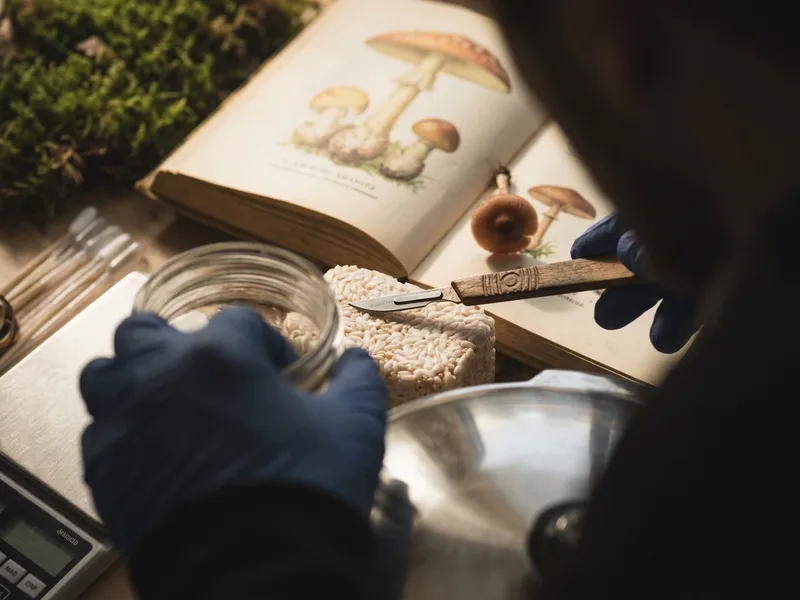
National Audubon Society Field Guide to North American Mushrooms
The broadest single-volume reference for North America, with photographic plates arranged by shape and colour. Heavier than a pocket guide, so most foragers keep it at home and carry something smaller.
When you buy through our links, it supports our mycology research at no extra cost to you.
How to Harvest Chaga Sustainably
Chaga is slow. A harvestable conk represents 5 to 20+ years of growth, and over-harvesting has visibly thinned easy-access areas near roads and trails. Take it like a resource you want your kids to find:
- Only take conks bigger than a fist. Small conks haven't matured. Leave them to grow — GPS-mark the tree and come back in a few years.
- Leave 15-20% of the conk on the tree. Cut the bulk off but leave the base attached. The fungus can continue growing from what remains — a conk cut this way can regrow harvestable mass over the following decade.
- Use a hatchet or a sturdy chisel and mallet. Chaga is hard, especially frozen. Strike at the seam between conk and bark, working around the edges. A knife will lose this fight and cost you a finger doing it.
- Never cut into the tree itself. Take conk, not cambium. Gouging the trunk opens the tree to other infections and kills the goose. If you're hitting pale wood, you've gone too far.
- Skip dead and fallen trees. Once the birch dies, the chaga conk stops being chaga in any meaningful sense — the fungus shifts into its reproductive stage and the conk begins to degrade and take on other colonizers. Harvest from living trees only.
- Spread your take. One conk per tree, a few trees per stand. A stripped stand recovers on a decades-long clock.
Drying and Storing Your Harvest
Fresh chaga is 40-70% water and will mold if you bag it and forget it.
- Break it down while fresh. Whole conks are much easier to split into walnut-sized chunks before they fully dry — dried chaga is nearly concrete. A hatchet and a cutting stump work; so does a heavy knife and mallet.
- Dry low and slow. Spread chunks on a rack or screen somewhere warm with airflow — near a woodstove, in a dehydrator at 40°C or below, or in an oven on its lowest setting with the door cracked. Expect one to two weeks air-drying, a day or two in a dehydrator.
- It's done when it's rock-hard and chunks knock together with a sharp clack rather than a dull thud.
- Store airtight, cool, and dark. Glass jars in a cupboard. Properly dried chaga keeps for a year or more.
From there, most people grind small batches or simmer the chunks whole — our mushroom tea guide covers chaga brewing from chunks and powder, including the traditional long-simmer method and how to reuse chunks across multiple batches.
And if you'd rather skip the hatchet work — or it's July and the conks are hiding — our chaga powder is wild-harvested, extracted, and ready for the kettle, and our chaga mushroom coffee blends it straight into Canadian-roasted arabica.
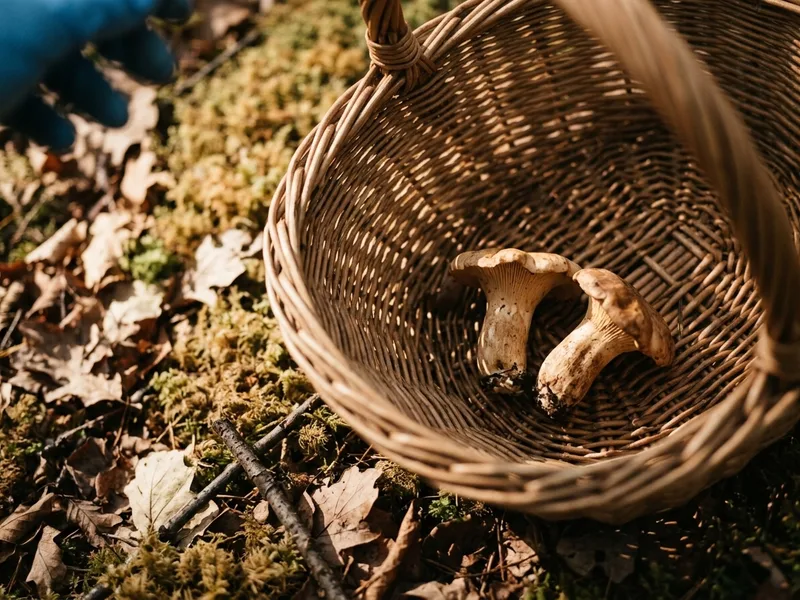
Wicker Foraging Basket
An open weave lets spores drop back through as you walk, which a plastic bag does not, and it stops a soft cap being crushed under everything picked after it. Size it to the walk, not the best day you have ever had.
When you buy through our links, it supports our mycology research at no extra cost to you.
Frequently Asked Questions
When is chaga season in Ontario?
Chaga can be harvested year-round, but the practical season in Ontario runs from late fall through early spring — roughly October to March. Leafless birch makes conks easy to spot, the trees are dormant, cold weather prevents spoilage in your pack, and frozen ground makes northern birch stands accessible.
Is chaga available year-round in Ontario?
Yes — the conks are perennial and don't come and go with seasons the way fruiting mushrooms do. A conk visible in January is the same conk that was there in July. Year-round availability is about the conk; the fall-to-spring preference is about visibility, tree dormancy, and practical harvest conditions.
Is it legal to harvest chaga in Ontario?
For personal use on crown land, yes. It is prohibited in provincial parks and conservation reserves, and on private land you need the owner's permission. Most of the productive chaga range in northern Ontario is crown land.
How do you tell chaga from a birch burl?
Chip off a small piece. Chaga has a black, cracked, charcoal-like exterior and a golden-orange, cork-like interior. A burl has normal birch bark outside and solid pale wood inside. Chaga also only grows on birch — a black growth on any other tree is something else.
How much chaga should you take from one tree?
Take conks larger than a fist, cut off the bulk but leave 15-20% of the conk attached at the base, and never cut into the tree's wood. The remaining base can continue growing, and the tree stays healthy enough to keep producing. Leave small conks entirely — they're years away from harvest size.
Have a mushroom-growing question? Ask Dr. MycoTek for AI help with your grow. Sign in to use your free monthly allowance.