


Mushroom tea is one of the oldest ways humans have consumed functional mushrooms, and for good reason. Hot water extraction is the most effective method for pulling beta-glucans, polysaccharides, and other water-soluble compounds out of tough fungal cell walls made of chitin — a material your digestive system can't break down on its own. In other words, brewing mushroom tea isn't just a pleasant ritual. It's practical chemistry.
This guide covers everything you need to know about making mushroom tea at home — from choosing your species to brewing methods, recipes, and the science behind why hot water extraction matters.
Why Tea? The Science of Hot Water Extraction
Before we get into recipes, it's worth understanding why tea is such an effective way to consume functional mushrooms.
Mushroom cell walls are made of chitin — the same tough polymer found in crab shells and insect exoskeletons. Many of the beneficial compounds in functional mushrooms, particularly beta-glucans, are trapped inside or bound to these chitin structures. Your stomach acid alone isn't particularly good at breaking chitin down, which means that eating raw or lightly processed mushroom material delivers far fewer bioactive compounds than you'd expect.
Hot water extraction changes the equation. When you simmer mushrooms in water for an extended period, the heat and water work together to break apart chitin structures and release the water-soluble compounds — beta-glucans, polysaccharides, certain triterpenes, and other bioactives — into solution. The result is a tea that's rich in the compounds you're actually after.
This is the same principle behind professionally extracted mushroom powders. Our chaga powder, reishi powder, and lion's mane powder are all hot-water extracted, meaning the extraction work has already been done for you. But there's something deeply satisfying about the DIY approach — simmering chunks of chaga on the stove on a cold Canadian afternoon is a ritual worth experiencing.
Water-Soluble vs. Alcohol-Soluble Compounds
Here's an important nuance. Not all bioactive compounds in mushrooms are water-soluble. Some — particularly triterpenes like ganoderic acids in reishi and betulinic acid in chaga — are fat-soluble or alcohol-soluble. A hot water extraction captures the beta-glucans and polysaccharides but leaves many triterpenes behind.
This is where dual extraction comes in. A dual-extraction process uses both hot water and alcohol (typically high-proof ethanol) to capture the full spectrum of compounds. Our tincture products use dual extraction for this reason. If you're making tea at home, you're getting the water-soluble fraction — which is substantial and valuable, but not the complete picture.
For most people, hot water extraction (tea) is an excellent daily practice, and adding a dual-extracted tincture gives you the alcohol-soluble compounds as well. You don't have to choose one or the other.
Chaga Tea
Chaga is the classic mushroom tea. It has been brewed across Russia, Scandinavia, and northern Canada for centuries, and it's the species that most people think of when they hear "mushroom tea."
Flavour Profile
Smooth, earthy, and mildly sweet with vanilla and caramel undertones. Chaga tea is genuinely pleasant to drink — even people who are skeptical about mushroom beverages tend to enjoy it. The colour is a deep, dark brown, similar to a strong black tea or coffee.
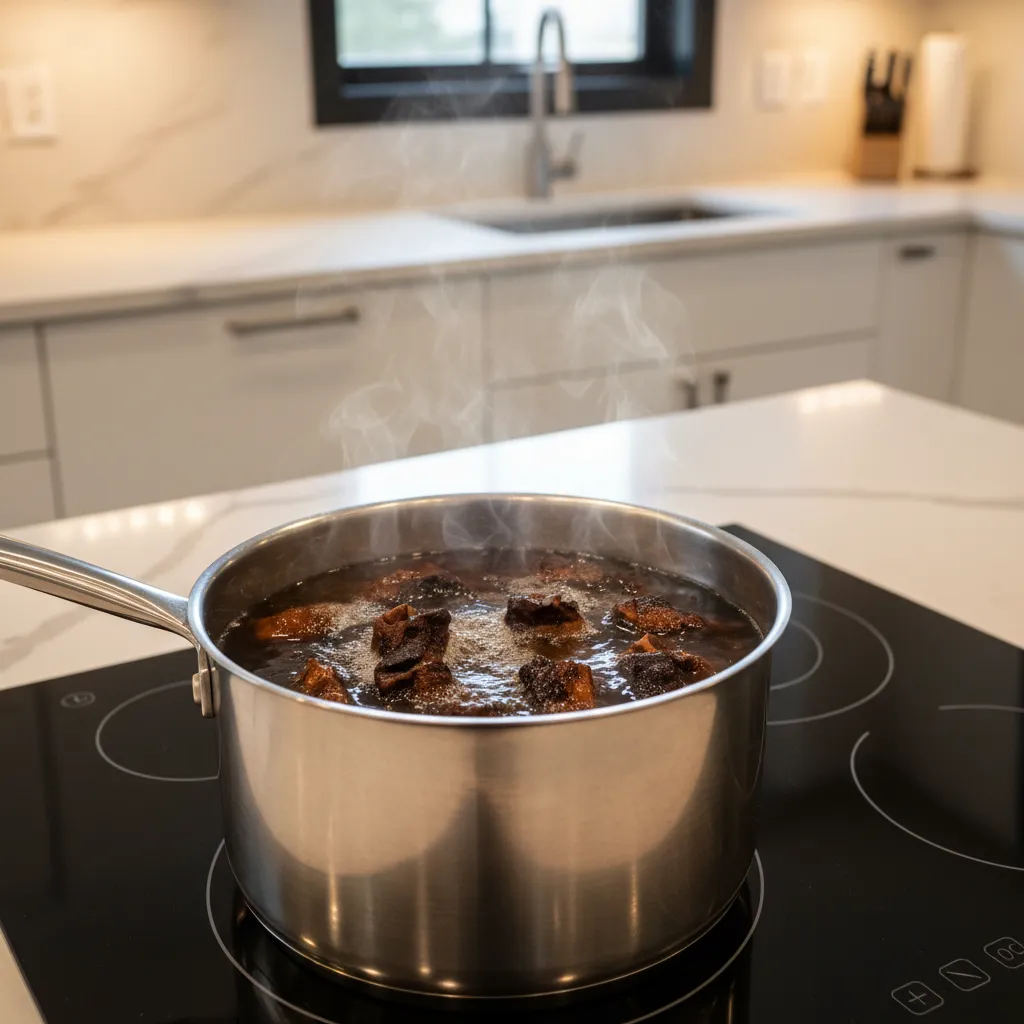
From Chunks
This is the traditional method and arguably the best.
Ingredients:
- 3-5 small chaga chunks (about 10-15 g total)
- 1 litre of water
Method:
- Place chaga chunks in a pot of cold water.
- Bring to a gentle simmer — not a full rolling boil. Temperatures around 70-80°C (160-175°F) are ideal. Boiling may degrade some heat-sensitive compounds.
- Simmer for a minimum of 30 minutes. For a stronger extraction, go 2-4 hours on the lowest heat setting. The longer you simmer, the darker and more concentrated the tea becomes.
- Strain and serve. The liquid should be a rich, dark brown.
- Save the chunks. Chaga chunks can be reused 4-6 times until the liquid no longer darkens significantly. Store used chunks in the freezer between uses.
Pro tip: A slow cooker on low is perfect for long chaga extractions. Fill it in the morning, let it simmer all day, and pour off the tea in the evening. The kitchen smells fantastic.
From Powder
If you're using our chaga powder (which is already hot-water extracted), the process is simple:
- Add 1-2 grams (about 1/2 teaspoon) to a cup.
- Pour hot water (just off the boil) over the powder.
- Stir well. The powder dissolves easily since it's already been extracted.
- Add honey, maple syrup, or a splash of milk if desired.
This isn't technically a "tea" in the traditional sense — you're rehydrating an already-extracted powder. But it's fast, convenient, and delivers the same compounds.
Chaga Chai
A favourite cold-weather variation:
- 1 litre brewed chaga tea (from chunks or powder)
- 3 whole cloves
- 2 cardamom pods, lightly crushed
- 1 cinnamon stick
- 1 cm fresh ginger, sliced
- Splash of oat milk or cream
- Maple syrup to taste
Simmer the spices in the chaga tea for 10-15 minutes. Strain, add milk and maple syrup, and serve. The warming spices complement chaga's natural vanilla notes beautifully. This is the drink that gets us through Ontario winters.
For more on chaga's research and traditional use, read our chaga mushroom benefits guide.
Reishi Tea
Reishi (Ganoderma lucidum) is the "mushroom of immortality" in Traditional Chinese Medicine, and it has been brewed as a tea for over 2,000 years. Fair warning: reishi tea is bitter. Very bitter. But there are ways to make it enjoyable.
Flavour Profile
Intensely bitter, earthy, and woody. The bitterness comes from triterpenes, particularly ganoderic acids — and ironically, the more bitter the tea, the higher the triterpene content. Think of it like a very dark, hoppy beer minus the alcohol.
From Dried Slices
Dried reishi slices are widely available and make an excellent tea.
Ingredients:
- 3-5 dried reishi slices (about 10-15 g)
- 1 litre of water
Method:
- Place reishi slices in a pot with cold water.
- Bring to a simmer and maintain for 1-2 hours. Reishi is tough — it needs extended simmering to release its compounds effectively.
- The liquid will turn a reddish-brown colour. Strain and serve.
- Reishi slices can be reused 2-3 times.
From Powder
Using our reishi powder:
- Add 1-2 grams to a cup of hot water.
- Stir thoroughly.
- Add honey, maple syrup, or mix into another beverage to offset the bitterness.
Making Reishi Tea Palatable
The bitterness is real, and there's no shame in managing it. Here are the best approaches:

Honey or maple syrup. The most traditional solution. Canadian buckwheat honey is particularly good — its strong, molasses-like flavour stands up to reishi's intensity.
Blend with other teas. Mix reishi tea 50/50 with a strong chai, rooibos, or ginger tea. The spices and sweetness balance the bitterness effectively.
Citrus. A generous squeeze of lemon or orange juice adds brightness that cuts through the bitter notes.
Reishi hot chocolate. Mix reishi powder into hot chocolate. The cocoa and sweetener mask the bitterness almost completely while you still get the benefits.
Learn more about what makes reishi special in our reishi mushroom benefits guide.
Lion's Mane Tea
Lion's mane (Hericium erinaceus) is best known for its unique neurotrophic compounds — hericenones and erinacines — that have been the subject of significant research into cognitive support. Brewing lion's mane as a tea is a gentle, pleasant way to incorporate it into your daily routine.
Flavour Profile
Mild, slightly sweet, and faintly seafood-like (the same subtle flavour you notice when cooking fresh lion's mane). It's the most approachable of the functional mushroom teas — no bitterness, no strong earthy flavours. Some people detect a faint vanilla note.
From Dried Lion's Mane
Ingredients:
- 5-8 g dried lion's mane pieces
- 500 ml water
Method:
- Bring water to a simmer (not a hard boil).
- Add dried lion's mane pieces.
- Simmer for 15-20 minutes. Lion's mane doesn't need as long as chaga or reishi because its tissue is less dense.
- Strain and serve.
From Powder
Using our lion's mane powder:
- Add 1-2 grams to a cup of hot water.
- Stir well. Lion's mane powder dissolves easily.
- Drink as-is or add to coffee, matcha, or smoothies.
Lion's Mane Focus Latte
A popular morning ritual among our customers:
- 1-2 g lion's mane powder
- 1 shot espresso or 200 ml strong brewed coffee
- 200 ml oat milk, frothed with a milk frother
- 1/2 teaspoon maple syrup (optional)
Dissolve lion's mane powder in the espresso, top with frothed oat milk, and sweeten if desired. The mild flavour of lion's mane blends seamlessly with coffee, and many people report improved focus and mental clarity throughout the morning.
For a deeper dive into lion's mane research, see our lion's mane health benefits guide.
Turkey Tail Tea
Turkey tail (Trametes versicolor) is too tough and leathery to eat whole, which makes tea one of the most practical ways to consume it. This is the mushroom with the strongest body of immune support research, and hot water extraction is particularly effective at releasing its key compounds — PSK and beta-glucans.
Flavour Profile
Mild, earthy, and slightly woody. Not bitter like reishi, not sweet like chaga — turkey tail tea has a neutral, pleasant flavour that blends easily with other ingredients.
From Dried Turkey Tail
If you've foraged your own turkey tail (it's one of the most common wild mushrooms in Canadian forests), you can brew it directly.
Ingredients:
- 10-15 g dried turkey tail pieces
- 1 litre water
Method:
- Break or cut dried turkey tail into small pieces. The smaller the pieces, the more surface area for extraction.
- Add to cold water and bring to a simmer.
- Simmer for 1-2 hours. Turkey tail is dense and needs extended extraction.
- Strain through a fine mesh strainer or cheesecloth.
- The liquid should be a light amber-brown colour.
From Powder
- Add 1-2 grams to a cup of hot water.
- Stir and drink. Turkey tail powder has a mild enough flavour to take straight.
Turkey Tail Immune Broth
A warming, savoury preparation:
- 1 litre turkey tail tea (brewed from dried pieces)
- 2 cm fresh ginger, sliced
- 2 cloves garlic, crushed
- 1 tablespoon miso paste
- 1 green onion, sliced
- Squeeze of lemon
Simmer the ginger and garlic in the turkey tail tea for 10 minutes. Remove from heat, stir in miso paste (don't boil after adding miso — it kills the beneficial cultures). Garnish with green onion and lemon. This is comfort in a bowl during cold and flu season.
For the research on turkey tail's immune-supporting compounds, read our turkey tail mushroom benefits guide.
Sharemee Cast Iron Teapot — 1200ml with Infuser
A cast iron teapot holds heat for the extended steeping that mushroom teas need. The included stainless steel infuser keeps dried mushroom pieces contained while allowing full extraction.
View on Amazon.ca →When you buy through our links, it supports our mycology research at no extra cost to you.
Blending Multiple Species
One of the great things about mushroom tea is that you can combine species. Each functional mushroom has a different primary strength, and blending creates a broader spectrum of bioactive compounds in a single cup.
The Daily Blend
- 1 g chaga powder (antioxidant support)
- 1 g reishi powder (stress and sleep support)
- 1 g lion's mane powder (cognitive support)
Mix into hot water, coffee, or a latte. This combination covers three of the most-researched areas of functional mushroom benefits in one daily serving.
The Immune Blend
- 1 g turkey tail powder
- 1 g chaga powder
- 1/2 teaspoon raw honey
- Squeeze of lemon
Brew in hot water. Turkey tail and chaga together provide a broad array of beta-glucans and antioxidant compounds.
The Evening Wind-Down
- 1 g reishi powder
- 200 ml warm oat milk
- 1/2 teaspoon cinnamon
- Maple syrup to taste
Reishi is the functional mushroom most associated with relaxation and sleep support. This warm, soothing drink is a calming alternative to herbal tea before bed.
Tips for Getting the Most from Your Mushroom Tea
Temperature matters. Simmer, don't boil. A gooseneck kettle with temperature control makes hitting the ideal 70-80°C (160-175°F) range effortless for most species.
Time matters more. A 5-minute steep won't extract much from tough fungal tissue. Give it at least 15-20 minutes for powder, 30+ minutes for dried pieces, and several hours for chaga chunks.
Quality matters most. Not all mushroom products are equal. Look for products that are made from actual fruiting bodies (not just mycelium on grain), that have been properly extracted, and that disclose their beta-glucan content. All Nature Lion mushroom powders are hot-water extracted from fruiting bodies and tested for beta-glucan content.
Start small. If you're new to functional mushroom products, begin with one species at a time. Start with 1 gram daily and see how your body responds before increasing.
Be consistent. Functional mushrooms are not pharmaceuticals — you won't feel dramatic effects from a single cup. The research that shows benefits typically involves consistent daily use over weeks or months. Make mushroom tea a daily habit, not an occasional novelty.
Store dried mushrooms properly. Dried mushroom pieces and powders should be stored in airtight containers in a cool, dark place. Properly stored, they'll maintain potency for 12-18 months.
A Note on Expectations
We believe in being straightforward about what functional mushroom products can and can't do. Mushroom teas and extracts are not medicines. They don't cure, treat, or prevent diseases. The research on functional mushrooms is promising and growing, but much of it is still in preclinical stages (cell culture and animal models) rather than large-scale human clinical trials.
What the research does consistently show is that certain mushroom compounds — beta-glucans, hericenones, ganoderic acids, and others — have measurable biological activity in laboratory and early clinical settings. Many people who consume mushroom tea daily report subjective improvements in energy, focus, sleep quality, or general wellbeing. Whether these reports reflect the compounds at work or the broader benefits of a daily wellness ritual is an honest question.
Either way, a cup of mushroom tea is a genuinely pleasant, low-risk addition to your day. And if the research continues in the direction it's trending, the science may well catch up to what traditional medicine has suggested for centuries.
Whether you're simmering chaga chunks on a Sunday afternoon or stirring lion's mane powder into your morning coffee, mushroom tea connects you to one of humanity's oldest wellness traditions. Start with the species that interests you most, brew consistently, and pay attention to how you feel over weeks and months.
Browse our full range of mushroom powders, tinctures, and mushroom coffees — all made in our CFIA-licensed facility in Brantford, Ontario.