
Lion's mane (Hericium erinaceus) is one of the most fascinating mushrooms in the world — and one of the most versatile. With its shaggy, cascading white spines and its reputation as a brain-boosting superfood, it's become one of the most popular species among both gourmet chefs and health-conscious consumers.
What Does Lion's Mane Look Like?
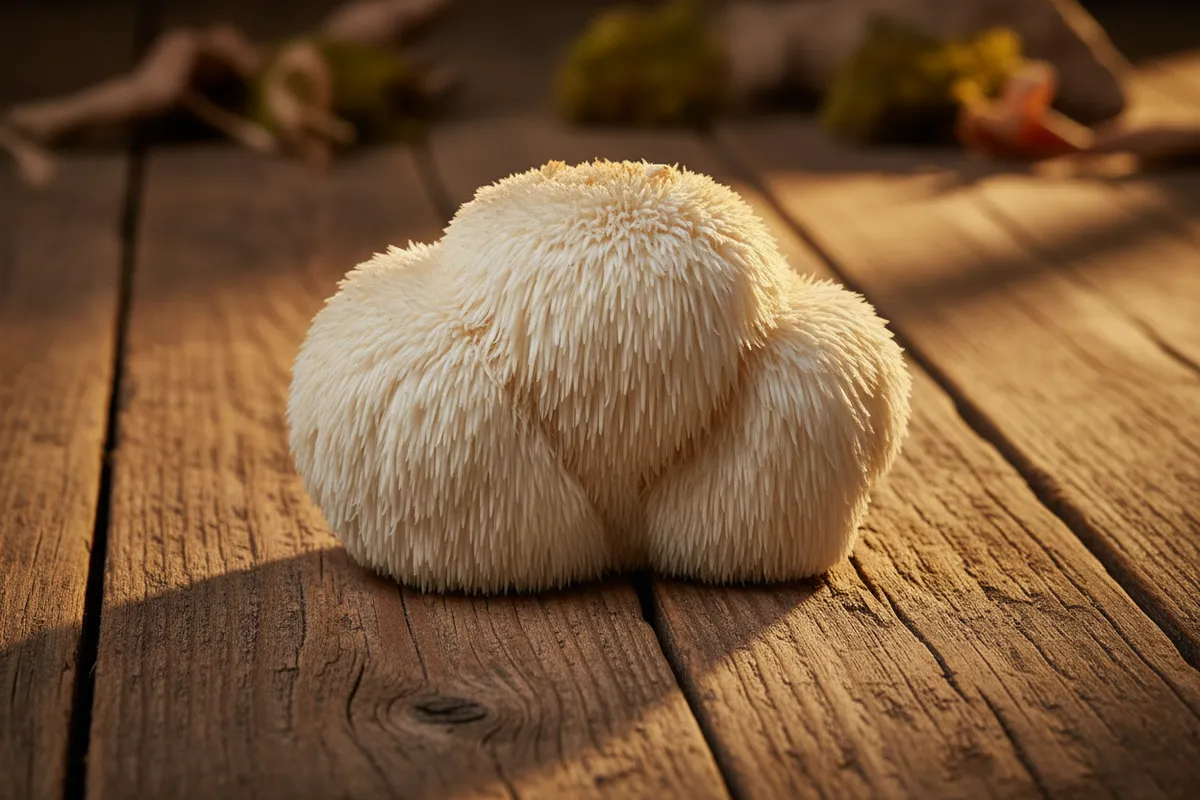
Unlike typical cap-and-stem mushrooms, lion's mane grows as a single clump of long, dangling white spines — like a fluffy white beard or a miniature waterfall. In the wild, it grows on hardwood trees (especially oak and beech) throughout North America, Europe, and Asia. When fresh, it's pure white; as it ages, it yellows slightly.
Cognitive and Neurological Benefits
Lion's mane has been the subject of extensive research for its potential neurological benefits. The key compounds are hericenones (found in the fruiting body) and erinacines (found in the mycelium), which have been shown in laboratory studies to stimulate the production of nerve growth factor (NGF).
NGF is a protein that plays a critical role in the growth, maintenance, and survival of neurons. While human clinical trials are still limited, preliminary research suggests potential benefits for:
- Memory and cognitive function
- Mood and anxiety
- Nerve regeneration after injury
- Neuroprotective effects
Our lion's mane powder and capsules are made from whole fruiting bodies grown in our facility, dried and milled to preserve the bioactive compounds.
Growing Lion's Mane at Home
Lion's mane is one of the easier gourmet species to grow at home, though it has a few quirks compared to oyster mushrooms:
From a Grow Kit
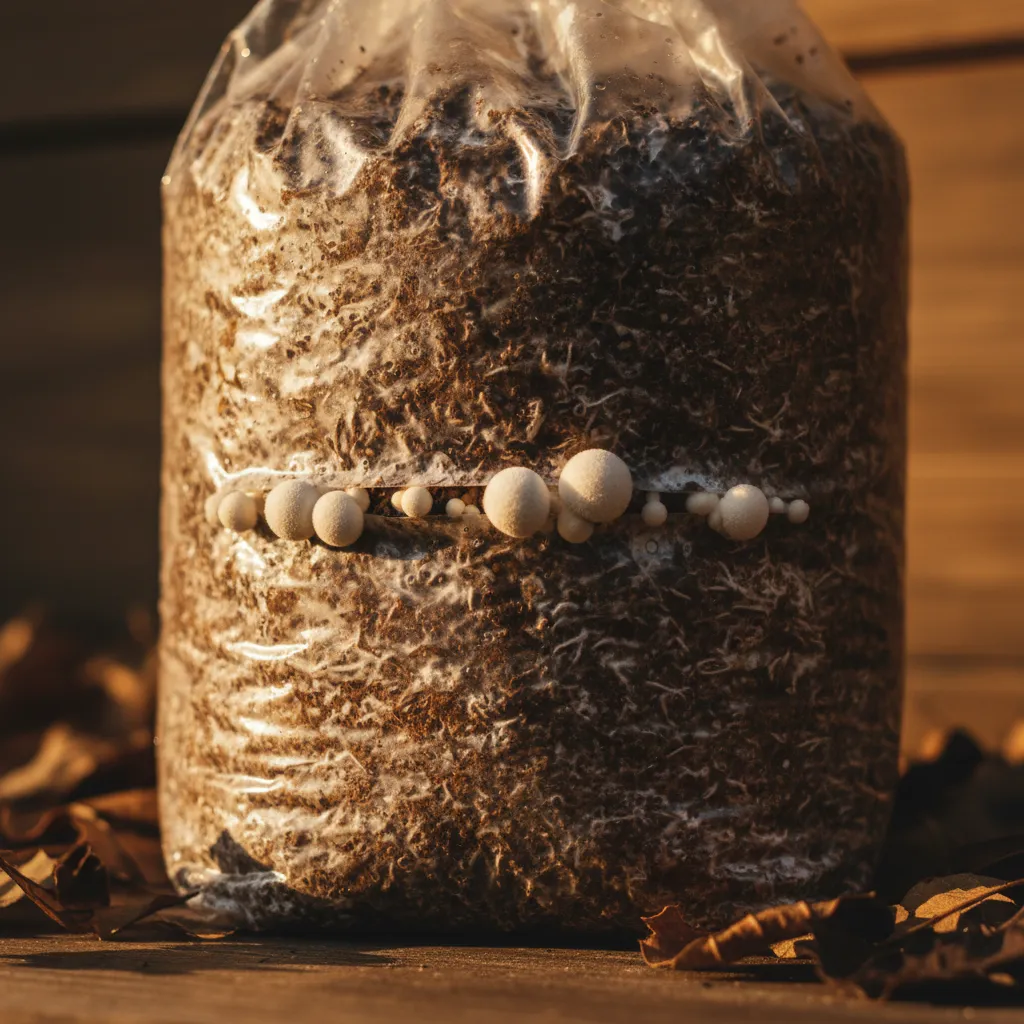
Our Lion's Mane Grow Kit is the easiest way to start. Cut a 2-3 inch X in the bag, mist 3 times daily, and you'll see the characteristic "teeth" forming within 7-10 days. Lion's mane prefers slightly cooler temperatures (60-70°F) and higher humidity than oyster mushrooms.
From Grain Spawn
For larger yields, use lion's mane grain spawn with a supplemented hardwood substrate (our pre-sterilized hardwood blocks work perfectly). Lion's mane colonizes more slowly than oyster species — expect 3-4 weeks for full colonization versus 2 weeks for oysters.
Key growing tips for lion's mane:
- Humidity is critical. Lion's mane needs 85-95% humidity. If the teeth start yellowing or browning at the tips, humidity is too low.
- One large opening. Unlike oyster mushrooms that fruit from multiple slits, lion's mane does best with a single larger opening. It will form one large, dense cluster.
- Fresh air but not drafts. Good air exchange prevents CO2 buildup (which causes coral-like malformations), but direct drafts will dry out the fruit body.
- Harvest timing. Pick when the spines are 1-2 cm long and still white. Waiting too long results in a bitter, spongy texture.
Culinary Uses
Lion's mane has a unique texture often compared to crab or lobster meat — stringy, tender, and slightly sweet. It absorbs flavors beautifully and develops a golden crust when seared. Here are three simple ways to prepare it, with eight more in our lion's mane recipes guide:
Pan-Seared Lion's Mane "Steaks"
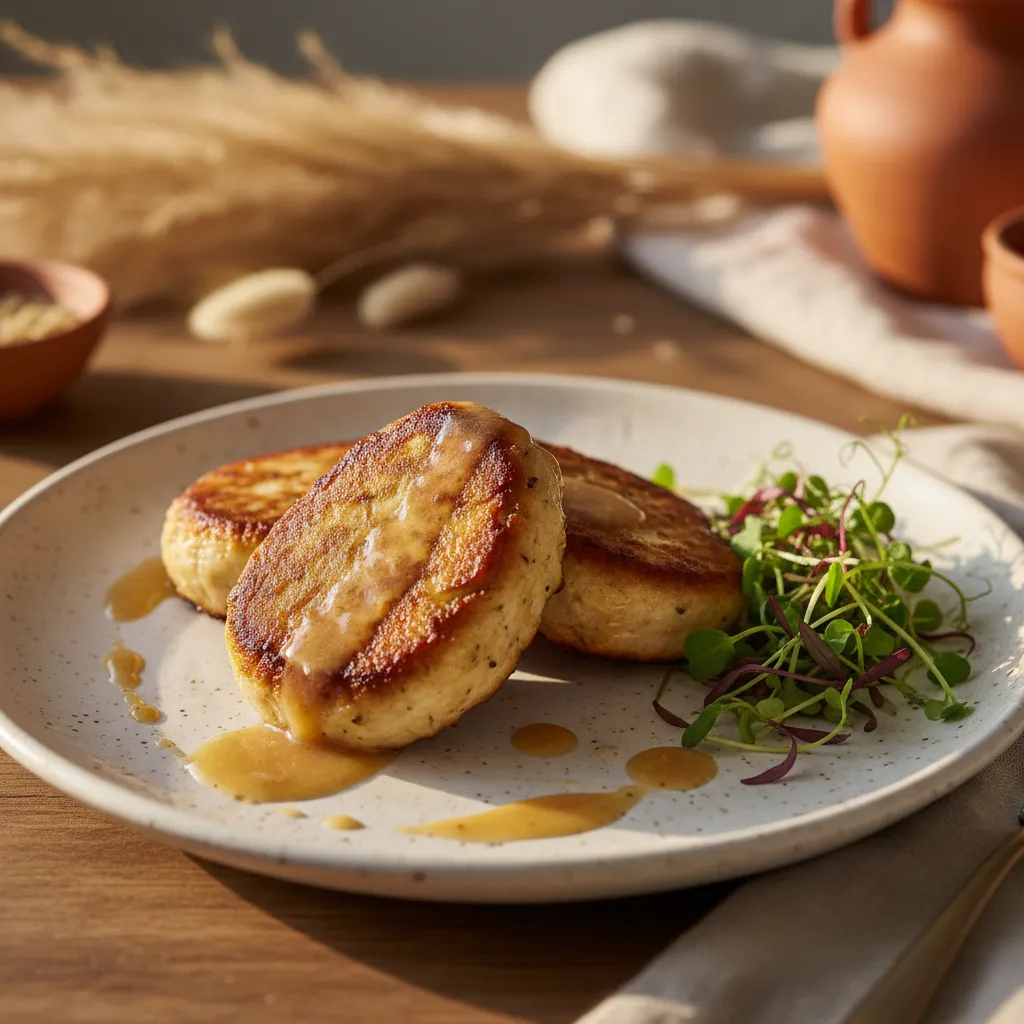
Slice the mushroom into 1/2-inch thick steaks. Sear in butter over medium-high heat for 3-4 minutes per side until golden brown. Season with salt, pepper, and a squeeze of lemon. The exterior should be crispy while the interior stays tender. Get the full method in our lion's mane steak recipe.
Lion's Mane "Crab" Cakes
Shred the mushroom by hand, mix with breadcrumbs, an egg, Old Bay seasoning, mayo, and minced onion. Form into patties and pan-fry until golden. The texture is remarkably similar to real crab cakes.
Lion's Mane Coffee
For the health benefits without the cooking, try our Lion's Mane Coffee — a blend of single-origin coffee and lion's mane extract. It's the easiest way to incorporate this mushroom into your daily routine. For a research-focused overview of lion's mane in coffee specifically, Coffee Studies breaks down what the cognition evidence actually shows.
Formats: Powder vs Capsules vs Tincture
If you're interested in the cognitive benefits, we offer lion's mane in several formats:
- Powder (60g) — Mix into smoothies, coffee, or food. Most versatile option.
- Capsules (500mg) — Convenient, pre-dosed. Best for daily use.
- Coffee blend — Lion's mane extract combined with single-origin coffee.
All our lion's mane products are made from whole fruiting bodies grown in our CFIA-licensed facility in Brantford, Ontario — never from mycelium-on-grain fillers.
Get Started
Whether you want to grow it, eat it, or add it to your routine, lion's mane is one of the most rewarding mushrooms to explore. Start with a grow kit to experience it fresh, or try our powder for the daily cognitive boost.
Have a mushroom-growing question? Ask Dr. MycoTek for AI help with your grow. Sign in to use your free monthly allowance.