
I have personally done over 200 farmers markets, 30+ expos, and 60 brand demos. I have sold mushrooms in the pouring rain, in 35°C heat, and in snowstorms where I was the only vendor who showed up. I have had $100 days that made me question everything and $6,500 weekends that made it all worth it.
This is what I actually learned.
Getting Your First Market (It's Not as Hard as You Think)
The thing that almost stopped me before I started was nerves. In 2020, I remember approaching Denise, the manager at the Ottawa Street Farmers Market in Hamilton. I was so nervous to ask about getting a booth that I almost talked myself out of it. But she was easy going, happy to help, and within a week I had a spot.
During the peak of COVID, people were actually flocking to farmers markets. Grocery store shelves were unreliable, and the local food movement exploded. It was a great opportunity — but I could see my own nervousness stopping a lot of people from ever taking that first step.
My advice: just ask. Market managers want vendors. They need you to fill their market and attract customers. The worst they can say is "we're full right now, try next season." Take that chance.
My First Setup (Don't Laugh)
My first setup was a cheap $80 tent from Walmart. A 10x10 popup that broke three or four times throughout the season. We kept returning it and getting a new one — that was our tent strategy for year one.
My wife and I shared the booth. She sold her handmade jewelry on one side, I sold mushrooms on the other. We had oyster mushrooms, lion's mane, and a few chestnut — everything grown in our basement.
All of our mushrooms were in paper bags with little windows so people could see inside. We later learned this was completely wrong, but at the time, it was the best we had.
My first day in sales: $350. I could not have been happier. All from the basement of my home.
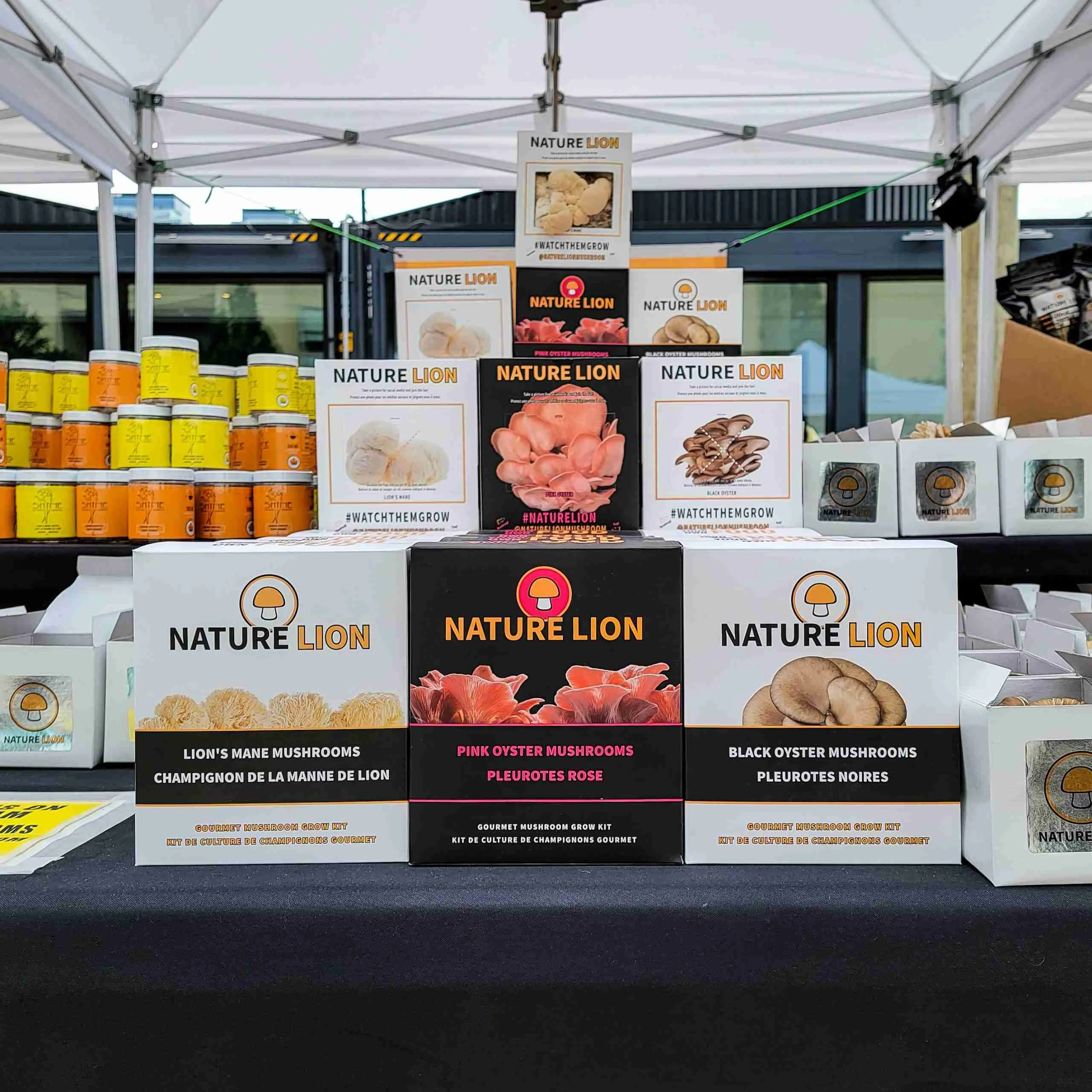
The Display Lesson That Changed Everything
At a farmers market, people expect to see beautifully coloured fruits and vegetables spread out over the table. Our paper bags were too concealing, too restrictive. People could not see the beautiful mushrooms we were growing. They just had to trust us — and at a market, trust comes through the eyes first.
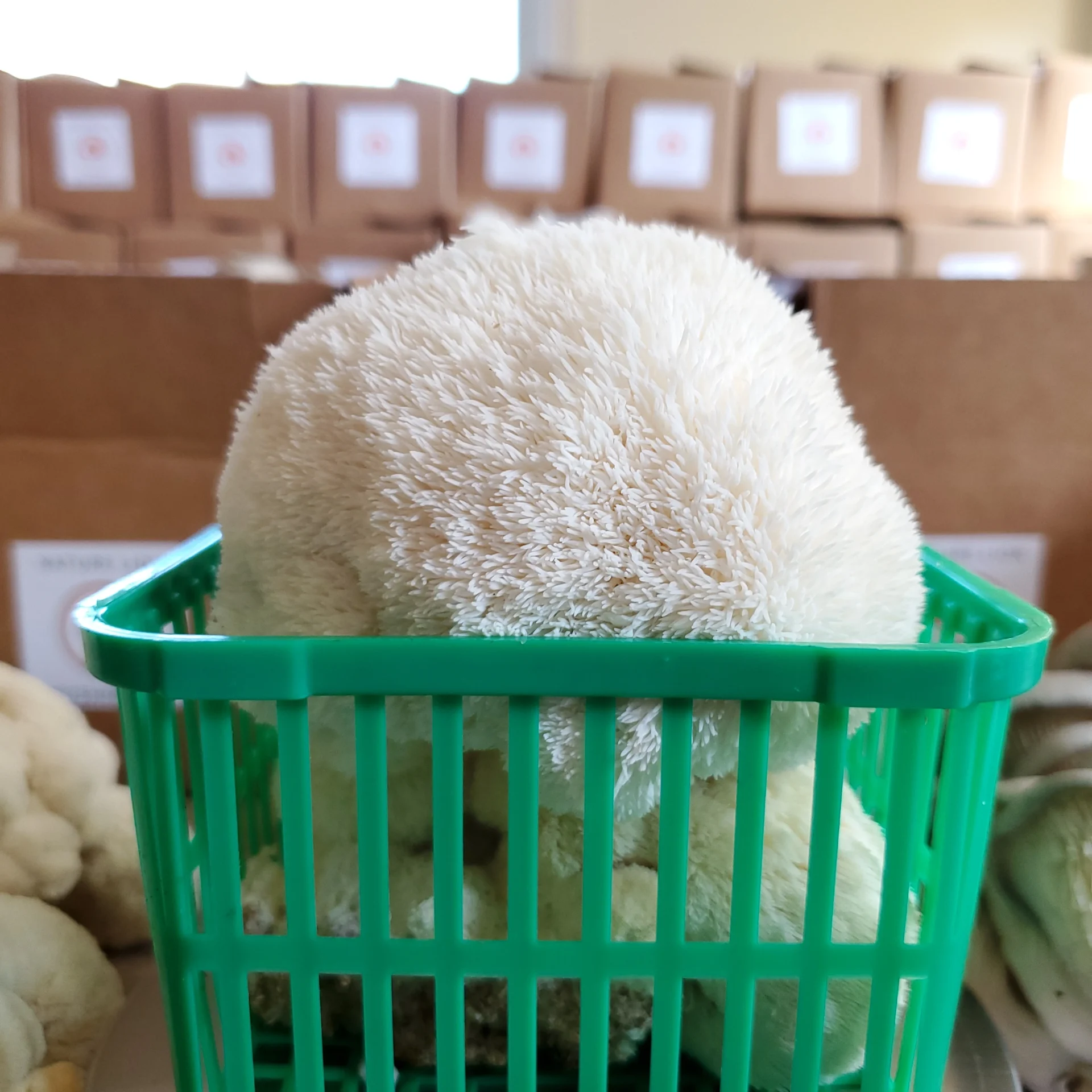
Once we realized people wanted to see the goods, we put it all out there. We got those little baskets they put strawberries in and started filling them with mushrooms. Suddenly, we had beautiful cascading bouquets of pink oyster, black oyster, white oyster, lion's mane, and chestnut. The visual impact was night and day.
We also purchased button mushrooms from another local farmer who was growing things outside our scope. It was a great partnership — there were still plenty of people looking for familiar mushrooms at the market every week, and we were already there, so it was a nice boost to our overall profits.
But the number one thing that gets people to stop and talk to you has nothing to do with your display. Just say hello. Ask them a question: "Do you like mushrooms?" or "Have you heard about us?" Anything. Just be friendly. Farmers markets are all about community.
Pricing: The Strategy Nobody Tells You
I figured out my pricing by going to the grocery store and looking at the selection. I found oyster mushrooms selling at 150 grams for $6.99 — basically $21 a pound. And they were not fresh by any means. Pretty sad looking, actually.
So we decided to charge slightly more than grocery store prices. We were growing locally, harvesting the day before market, and offering varieties you could not find anywhere else. That justified a premium.
But here is the lesson that took us months to learn:
We started by selling large baskets with a whole pound of mushrooms for $30. We got customers at first, but the price point was too high for most people to try something new. Thirty dollars is a lot to gamble on a mushroom you have never cooked before.
So we split everything into thirds. Individual baskets of approximately 150 grams for $8 each. That is about $24 a pound.
The result? People who would have walked past a $30 basket now happily bought two or three $8 baskets because they wanted variety. That meant a $16–$24 purchase from someone who might otherwise have bought nothing.
The key insight: do not pre-mix your varieties in one basket. If you have pink oyster, black oyster, and lion's mane, keep them in separate baskets. Let the customer build their own selection. They will buy more because each variety feels like a separate purchase decision.
Do not sell yourself short. If you have variety, make them pay for it.
The Real Numbers: What a Mushroom Vendor Actually Makes
Over three years at the Ottawa Street Farmers Market, here is what our sales looked like:
| Day Type | Revenue |
|---|---|
| Learning period (first few months) | $300 to $400 |
| Average Saturday (dialled in) | $700 to $800 |
| Slow day | $300 to $400 |
| Best farmers market day | $1,500 |
| Best expo (Planted Expo, Toronto, 2 days) | $6,500 |
| Good Christmas market day | $2,500 |
| Bad Christmas market day | $100 to $200 |
The difference between a $350 day and an $800 day was not the foot traffic. It was us. Once we dialled in our sales pitch, our presentation, and added value-added products to the table — grow kits, mushroom powders, and eventually mushroom coffee — our average nearly doubled.
The expos were a different beast. The Planted Expo in Toronto brought in $6,500 in just two days on the floor. These were long, exhausting days and hard work, but the exposure and revenue were worth it.
Christmas markets are feast or famine. Hit the right spot at the right time with giftable products and you can do $2,500 in a day. Hit the wrong one and you sell $100 to $200 — which after paying for the booth and staff is a total bust.
And here is the honest truth nobody tells you: some of those slow days would have been better spent with your family doing something you enjoyed. But you really have to go and show up just to learn which markets work and which do not.
Value-Added Products That Actually Sell
The products that boosted our average day from $350 to $800 depended on the venue:
At farmers markets:
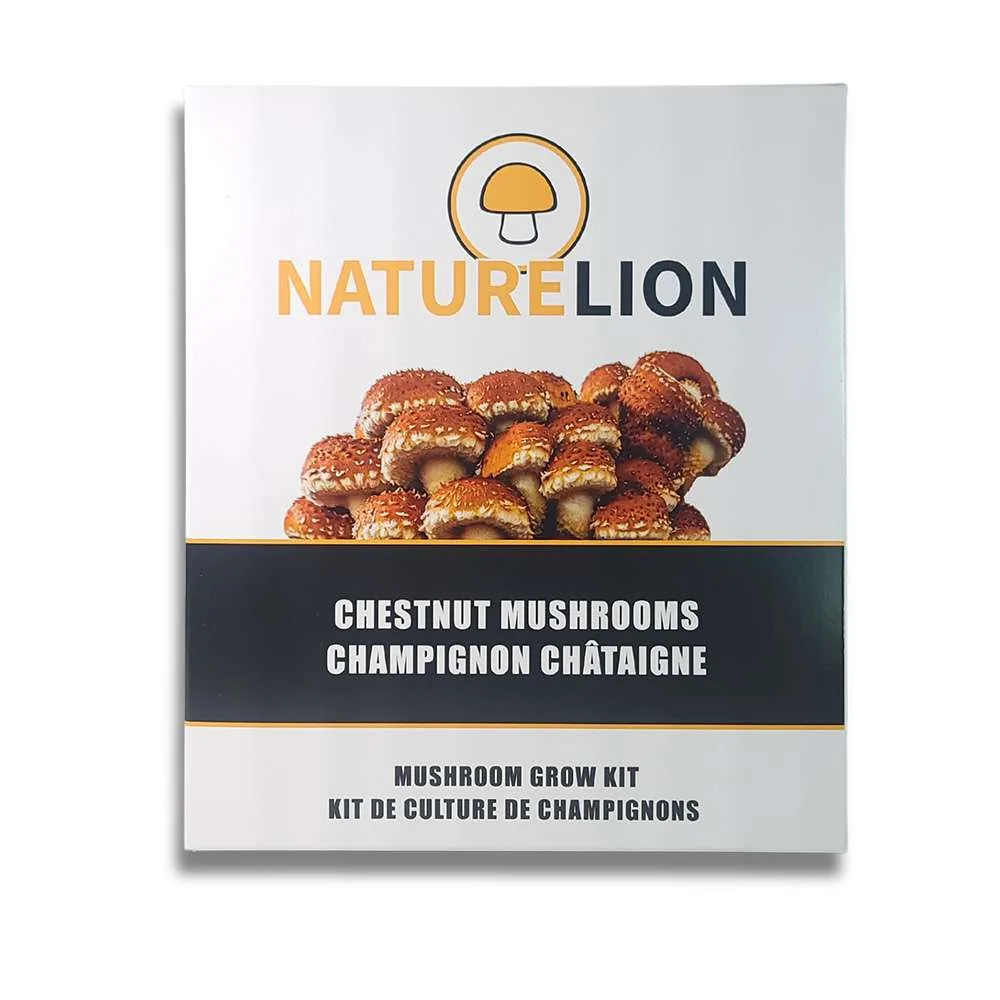
- Grow kits became increasingly popular, especially as gifts. They were cost-effective, unique, and had real selling power. At Christmas markets, grow kits were our top seller — the perfect gift for someone you did not know what to buy for.
- Locally foraged dried mushrooms from professional foragers in the community. We had good success selling another member of the mushroom community's wild foraged products.
- Locally made tinctures and extracts (before we started making our own).
- Mushroom coffee — we eventually started producing our own right from our kitchen at home. Which we later found out we were not allowed to do. The lesson: check the rules for preparing and selling each product before adding it to your table.
At expos and trade shows:
- Grow kits and coffee dominated. People at expos are looking for something to take home, something novel, something giftable.
- Fresh mushrooms were harder to move at expos because people were browsing for hours and did not want to carry perishables.
The Logistics Nobody Warns You About
Getting to a market at 6 AM every Saturday for three years straight takes a toll. Here is what the behind-the-scenes actually looks like:
Friday night: Harvest everything that is ready. We would be harvesting all week and storing mushrooms properly, but Friday was the big prep night. Chopping off stems, cleaning them up, making them presentable, filling the baskets, and stacking everything into coolers to stay fresh overnight.
Loading: Tents, tables, signs, dollies, coolers, product boxes, sandbags, bungee cords. You need the sandbags and cords because your tent will try to blow away in the wind — that is always a concern. One strong gust and your entire display is airborne.
Unsold product: This is the part that really hurts. When you have a slow day, you are stuck with fresh mushrooms that need to go somewhere. You can refrigerate them and try to sell at a second market within a couple of days. Drying mushrooms for sale may be an option, but first check the requirements for your processing and sales activities with the CFIA and local authorities. Our farm-start interview shares our own experience. You can sell them fast for cheap at the end of the day. You can donate to a local food bank.
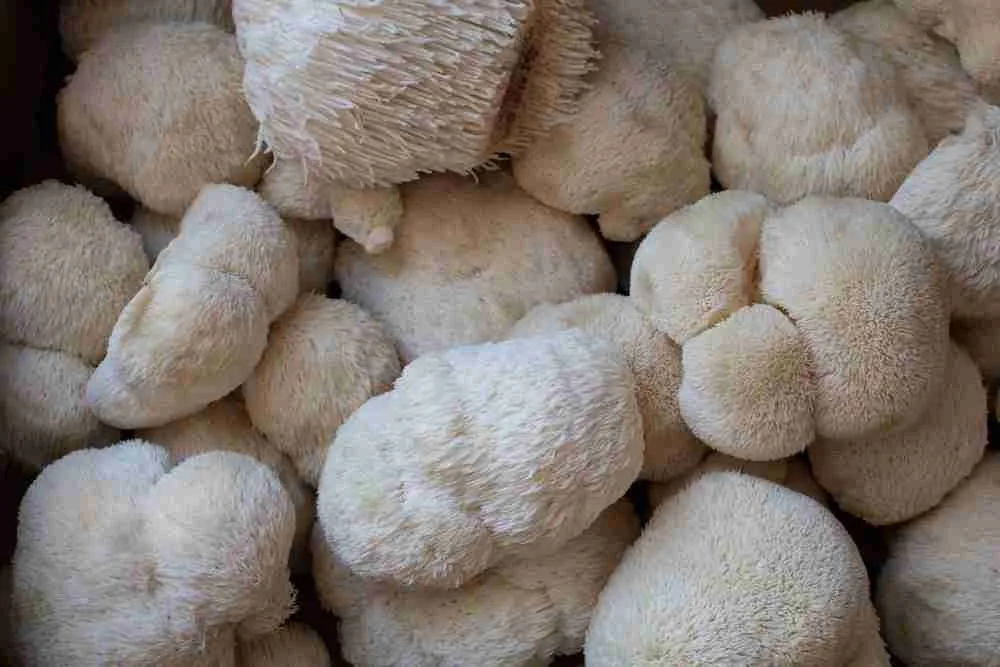
The double-market strategy: We found it helpful to have a couple of markets within days of each other. Prepare heavily for the first one, and whatever did not sell could go to the second one. Ideally everything sells and you restock, but that was not always the case. This strategy cut our spoilage significantly.
When to Scale Back (and Why We Did)
After three years and 200+ markets, we started moving into wholesale volumes with our grow kits. We hired a couple of regional sales reps, and suddenly we were moving product faster than we could make it.
This meant scaling back from some markets. Initially, it hurt our revenue. But we found ways to recover — more wholesale, more time for social media, which drove website customers. We still did expos and trade shows, but eventually scaled back from those too.
If you rely on markets, that is totally fine. But to do it sustainably, you need to build a team. Your team needs to know how to sell just as well as you do, so that you can step back on weekends and spend time with your family and friends.
I am not telling you not to do markets. For my particular situation, it no longer made sense. But if you are a new brand and you want to get your product out there, there really is no better way than becoming an active member of your local community.
Join a farmers market. Stay there. Make a name for yourself. You will meet local chefs, business owners, and you will become friends with the people who come and visit you every week. They support what you are doing because they think it is great.
And they are right.
Frequently Asked Questions
How do I find farmers markets near me that accept mushroom vendors?
Start with your municipality's website or search "[your city] farmers market vendor application." Most markets have an application process that opens in winter for the spring season. Call the market manager directly — they are almost always happy to hear from new food vendors. The Ontario Farmers Markets Association and Farmers Markets Ontario maintain directories you can browse.
Do I need any licenses or permits to sell fresh mushrooms at a market?
Requirements vary by province and municipality. In Ontario, you generally need a business license and may need to register as a food premises. If you sell ONLY fresh, whole mushrooms that you grew yourself, the requirements are lighter than if you sell dried, processed, or value-added products. Check with your local public health unit before your first market — not after. Trust me on this one.
How much should I bring to my first market?
Start with less than you think you need. For your first market, bring 20 to 30 baskets of fresh mushrooms (about 10 to 15 lbs total) and see how it goes. You can always bring more next week. Bringing too much and watching it not sell is more demoralizing than selling out early.
What is the best tent for a farmers market?
Do not buy the cheapest Walmart tent. I returned four of them in one season. Invest in a commercial grade popup tent — expect to spend $300 to $500 for one that will last multiple seasons. Make sure it is easy for one or two people to set up and has straight legs (not angled) for maximum booth coverage.
Is it worth doing markets in the winter?
Indoor winter markets and Christmas markets can be excellent — or terrible. The key is the venue and the foot traffic. Ask the market manager for attendance numbers from previous years before committing. Our best Christmas market days were $2,500. Our worst were $100. Do your homework before paying for a booth.
Packing dried product for sale
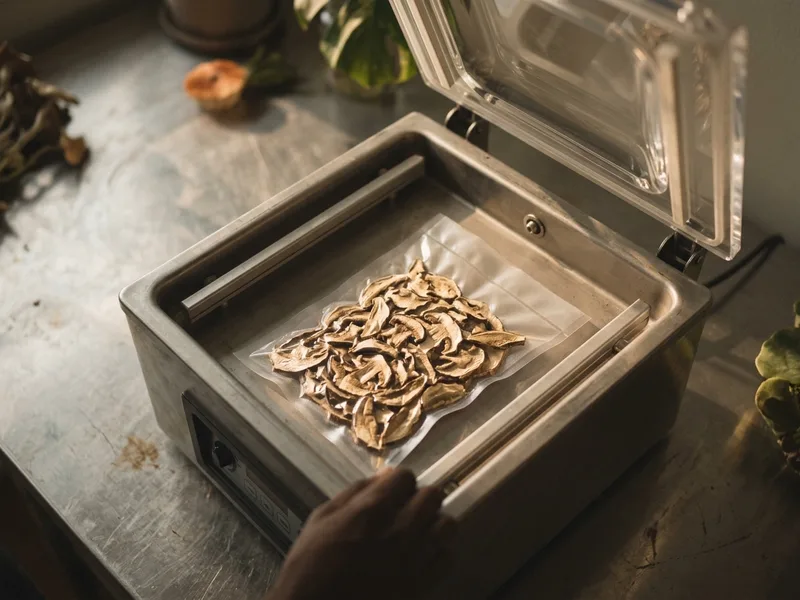
VEVOR Chamber Vacuum Sealer
A chamber sealer pulls the air from the whole chamber rather than sucking the bag, so it seals soft dried mushrooms without crushing them and handles damp product an edge sealer cannot. Worth it once you are packing for sale weekly; below that an impulse sealer and an oxygen absorber does the job.
When you buy through our links, it supports our mycology research at no extra cost to you.
Get Started
If you are growing mushrooms and thinking about selling them, the farmers market is where you start. Not online. Not wholesale. At a table, face to face, learning what real customers actually want.
For more on building a mushroom business from the ground up, read our founder interview on starting Nature Lion. If you need supplies, browse our spawn, grow kits, substrate, and growing supplies.
And if you are reading this and you are nervous about approaching your first market manager — just do it. The worst they can say is no.
Andrew Langevin is the founder of Nature Lion Inc and has personally attended over 200 farmers markets, 30 expos, and 60 brand demos across Ontario. He is a contributing author in Mushroomology, a scientific textbook published by Brill.
Need help with a Nature Lion kit? Start with the kit care guide, or email info@naturelion.ca with a photo and your start date. Dr. MycoTek is another option for growing questions and notes.