
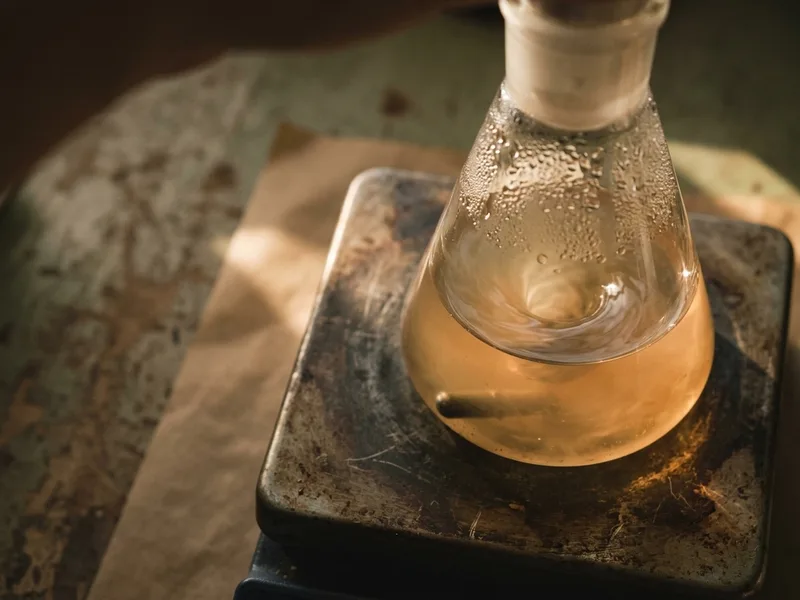
A magnetic stir plate is the single best upgrade you can make to your liquid culture workflow. Without one, you're shaking jars by hand, hoping the mycelium breaks up evenly, and guessing when the culture is ready. With one, a spinning stir bar does the work for you. It fragments the mycelial mass into thousands of tiny pieces, oxygenates the solution, and distributes nutrients evenly throughout the jar. The result is faster colonization, cleaner cultures, and liquid that actually draws into a syringe without clogging.
If you're making honey liquid culture or working with any nutrient broth, a stir plate turns a multi-week process into something that can be ready in days. We've tested several models over the past two years and run them continuously in our lab. Here's what actually works.
This post contains affiliate links. When you buy through our links, it supports our ongoing mycology research at no extra cost to you.
Quick Verdict
For most growers, the INTLLAB Magnetic Stirrer (MS-500) is the right choice. It's affordable, reliable, has a 3000 mL capacity that fits standard mason jars perfectly, and has become the default recommendation in the mushroom growing community. If you want a bundle with stir bars included, grab the INTLLAB 7-Piece Bundle. If you need a digital display and timer, the ANZESER Digital Magnetic Stirrer is a worthwhile step up.
What to Look for in a Stir Plate
Not every magnetic stirrer is suited for liquid culture work. Lab stirrers designed for chemistry applications often have features you don't need (like heating) and lack features you do. Here's what actually matters.
Speed Control
This is the most important feature. You need smooth, variable speed control that goes low enough. Most growers run their liquid cultures between 100 and 300 RPM. Anything above 300 RPM tends to create too much turbulence, which shreds the mycelium into fragments so small you can't visually assess the culture for contamination. A good stir plate lets you dial in a gentle vortex, not a blender.
A plate rated for 3000 RPM is fine as long as the low end of the dial gives you stable, consistent rotation below 300 RPM. The high-speed capability is useful for mixing nutrient solutions before sterilization, but your day-to-day liquid culture work happens at low speed.
Plate Size and Jar Compatibility
Your stir plate needs to accommodate the vessels you're using. For most mushroom cultivators, that means wide-mouth quart mason jars (32 oz) or half-gallon jars. The stir plate's working surface should be at least 120 mm (about 5 inches) in diameter to center a quart jar properly.
Stirring capacity matters too. A plate rated for 3000 mL can handle a quart jar (approximately 950 mL) without any issues. If you're scaling up to half-gallon jars, you'll want that full 3000 mL capacity.
Stir Bar Coupling Strength
The magnetic coupling between the plate's internal magnet and your stir bar needs to be strong enough to maintain rotation through the glass bottom of a mason jar. Cheap plates lose coupling at the slightest off-center placement, causing the bar to "throw" (decouple and spin out). A good plate holds the bar even when the jar isn't perfectly centered.
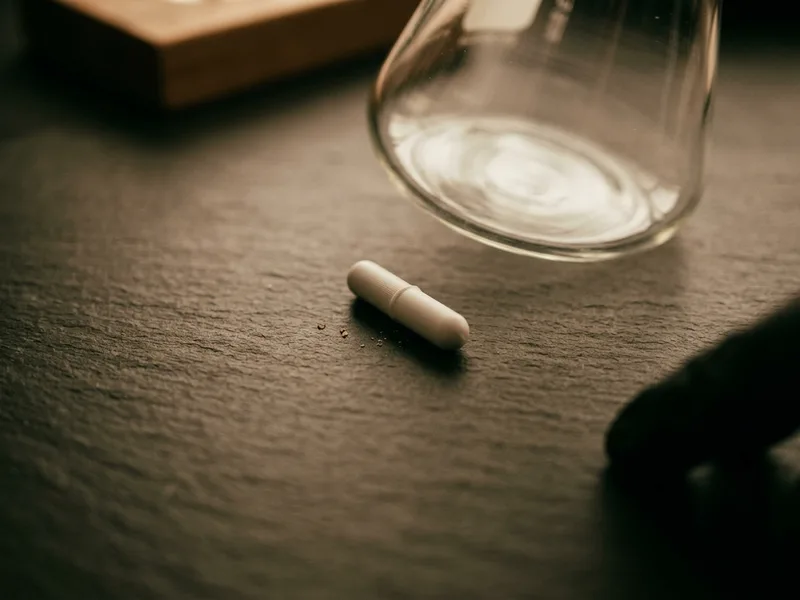
The stir bar itself matters too. For liquid culture, a 25-30 mm PTFE-coated stir bar is ideal. Longer bars create more turbulence than you need, and shorter ones don't move enough liquid. PTFE coating is essential because it's autoclave-safe and chemically inert.
Heating (You Don't Need It)
Some magnetic stirrers include a hot plate function. For liquid culture work, you do not want heating. Your cultures grow at room temperature (typically 22-26C), and any heating element underneath the jar will create temperature gradients that stress the mycelium and promote bacterial contamination. Every model we recommend below is a non-heating stirrer. If you see "hot plate" in the product name, skip it for LC work.
WEST TUNE Magnetic Stirrer 3000 RPM with LED & 2 Stir Bars
Affordable entry point with included stir bars and an LED work light. A solid budget choice for growers who want to try magnetic stirring without a big investment.
When you buy through our links, it supports our mycology research at no extra cost to you.
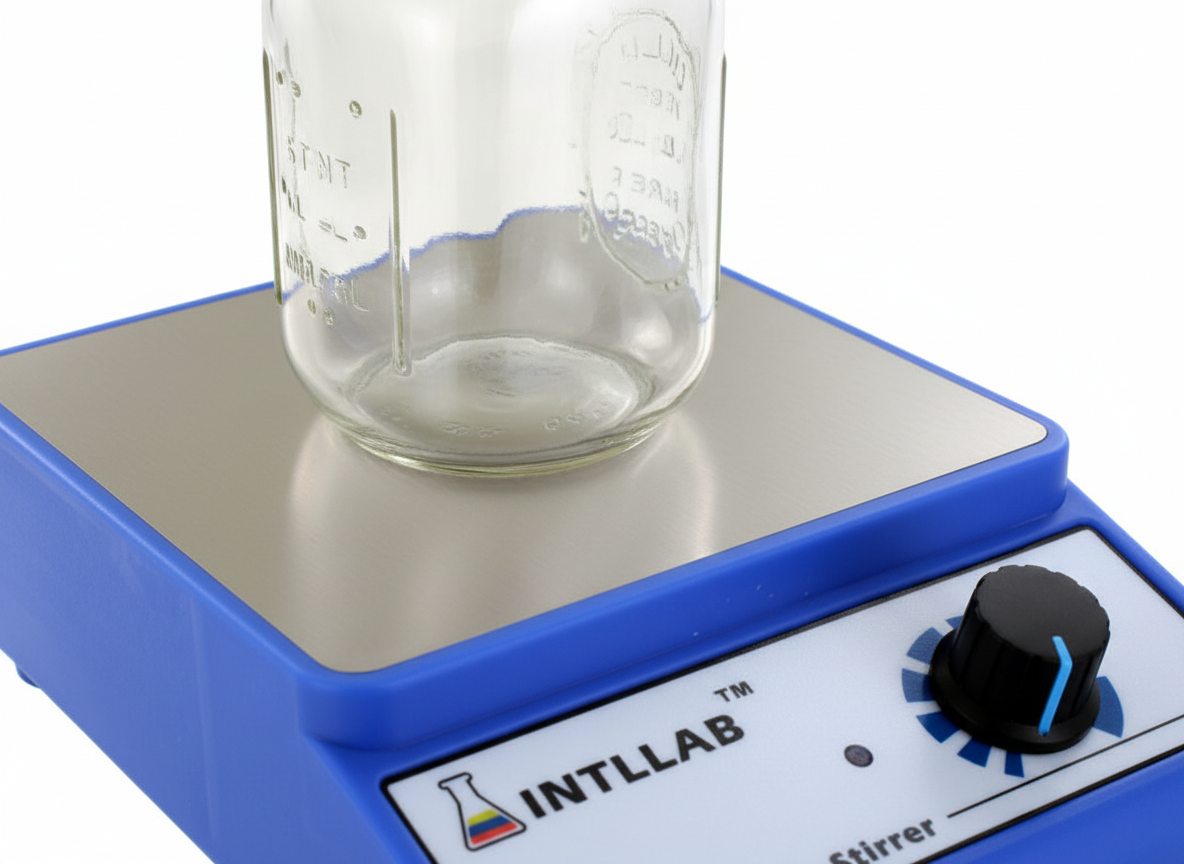
Our Pick: INTLLAB Magnetic Stirrer (MS-500)
This is where the majority of mushroom growers should start, and where most will stay.
The INTLLAB MS-500 has become the standard stir plate in home mycology for the same reasons the Presto 23-Qt became the standard pressure cooker: it's affordable, it works, and it's been proven by thousands of growers. The stainless steel top plate is easy to clean, the speed control knob gives you smooth adjustment from zero to 3000 RPM, and the magnetic coupling is strong enough to handle quart jars without throwing the bar.
What We Like
Price to performance. The INTLLAB costs a fraction of what laboratory-grade stirrers run, and for liquid culture work, it performs identically. You're stirring a nutrient broth in a mason jar, not running a titration. This plate does exactly what you need.
Speed range. The dial gives you usable control at the low end, which is where you'll live. We run ours at roughly 150-200 RPM for liquid culture, and the plate maintains that speed consistently for days at a time without fluctuation.
3000 mL capacity. Plenty for quart jars and even half-gallon vessels if you're scaling up. The plate doesn't struggle with larger volumes.
Brushless DC motor. No brushes to wear out means this plate will run continuously for months. We've had ours running nearly non-stop for over a year with zero issues.
What Could Be Better
No included stir bars. The base MS-500 model ships with a single stir bar. For liquid culture work, you'll want extras since each jar needs its own bar. Consider the bundle version below, or buy a separate set of PTFE stir bars.
No speed readout. The knob is analog with no RPM display. You learn to set it by watching the vortex, which is fine in practice, but a digital readout would be a nice touch.
Best Bundle: INTLLAB Magnetic Stirrer with 7-Piece Stir Bar Set
This is the same proven INTLLAB stirrer, but bundled with a set of seven PTFE-coated stir bars in assorted sizes and a magnetic bar retriever. For liquid culture work, this bundle makes more sense than buying the plate and bars separately.
What We Like
Everything included. You get the plate, seven stir bars in different sizes (so you can find the perfect fit for your jars), and a retriever wand for fishing bars out of finished cultures. That retriever is a small thing, but it saves you from dumping culture to get the bar out.
Size variety. The assorted bar sizes let you experiment. For quart mason jars, the 25 mm bar is usually ideal, but having options for different vessel sizes is useful as your operation grows.
What Could Be Better
Some bars are too large for LC. The largest bars in the set are meant for beakers and flasks, not mason jars. You'll likely use 2-3 of the seven bars regularly for liquid culture, and the rest will sit in a drawer.
Digital Upgrade: ANZESER Digital Magnetic Stirrer with Timer
If you want more precision and the convenience of a timer, the ANZESER Digital is a solid step up from the INTLLAB. The LCD display shows your exact RPM, and the built-in timer lets you program stir sessions so you don't have to leave the plate running 24/7.
What We Like
LCD speed display. You know exactly what RPM you're running. This is genuinely useful when you're dialing in the sweet spot for a particular culture. Instead of "about this far on the knob," you can record that 180 RPM works best for your honey LC recipe and hit that number every time.
Built-in timer. Set it and forget it. Program 30-minute stir sessions several times a day, or run it continuously. The timer adds flexibility to your workflow, especially if you're managing multiple cultures and don't want every plate running non-stop.
Speed range. Adjustable from 250 to 2000 RPM with accurate digital control. The low end at 250 RPM is right in the sweet spot for liquid culture.
What Could Be Better
Higher price point. The ANZESER costs more than the INTLLAB. For a single stir plate, the premium may be worth it. But if you're buying 3-4 plates to run multiple cultures simultaneously, the cost difference adds up fast.
Lower maximum capacity. Rated for 3500 mL, which is still plenty for mason jars, but the INTLLAB's simpler design arguably handles larger volumes more reliably.
INTLLAB Magnetic Stirrer MS-500 (3000 mL)
The workhorse of home mycology liquid culture. Stainless steel top, smooth speed control, brushless motor, and a price that makes it accessible to every grower. This is where you start.
When you buy through our links, it supports our mycology research at no extra cost to you.
Budget Option: WEST TUNE Magnetic Stirrer (3000 RPM)
The WEST TUNE is the newest entry in this category and comes in at a competitive price. It features a brushless DC motor, LED indicator light, and includes two stir bars out of the box. If you're looking for the most affordable way to get stirring, this is worth considering.
What We Like
Included stir bars. Two bars in the box means you can get started immediately with at least two cultures.
LED indicator. A small LED light illuminates the working surface, which is actually useful for checking the vortex in dim lab conditions.
Compact footprint. Takes up minimal bench space, which matters if you're running a small home lab.
What Could Be Better
Newer product, less track record. The INTLLAB has been the community standard for years. The WEST TUNE is newer and doesn't have the same volume of long-term user reports from the mycology community.
Coupling strength. Some users report the magnetic coupling is slightly weaker than the INTLLAB at very low speeds, leading to occasional bar throws with heavier jars.

1 syringe
1 jar

10 pairs
Expand your culture
Liquid Culture Bank Kit
Build a 200ml culture bank, with sterile tools for clean withdrawals.
Budget vs Premium: Which One Should You Buy?
The decision is simpler than it seems.
Just getting started with liquid culture? Get the INTLLAB MS-500 or the 7-piece bundle. The bundle is the better value because you'll need extra stir bars anyway, and the retriever pays for itself in convenience. This is the plate that built the home mycology liquid culture game, and it'll serve you for years.
Want precise control and a timer? Get the ANZESER Digital. The LCD readout and timer genuinely improve your workflow if you're managing multiple cultures or want repeatable results. It's not necessary, but it's nice to have.
On a tight budget? The WEST TUNE gets you stirring for the least money upfront and includes bars in the box. It's a perfectly capable plate for basic liquid culture work.
Running a commercial operation? Buy 4-6 INTLLAB plates. At their price point, you can run multiple cultures simultaneously for less than the cost of a single laboratory-grade stirrer. Redundancy beats premium when you need throughput.
INTLLAB Magnetic Stirrer with 7-Piece Stir Bar Set & Retriever
Same great INTLLAB plate, bundled with seven assorted PTFE stir bars and a magnetic retriever. Saves money over buying everything separately and gets you started immediately.
When you buy through our links, it supports our mycology research at no extra cost to you.
The DIY Stir Plate Option
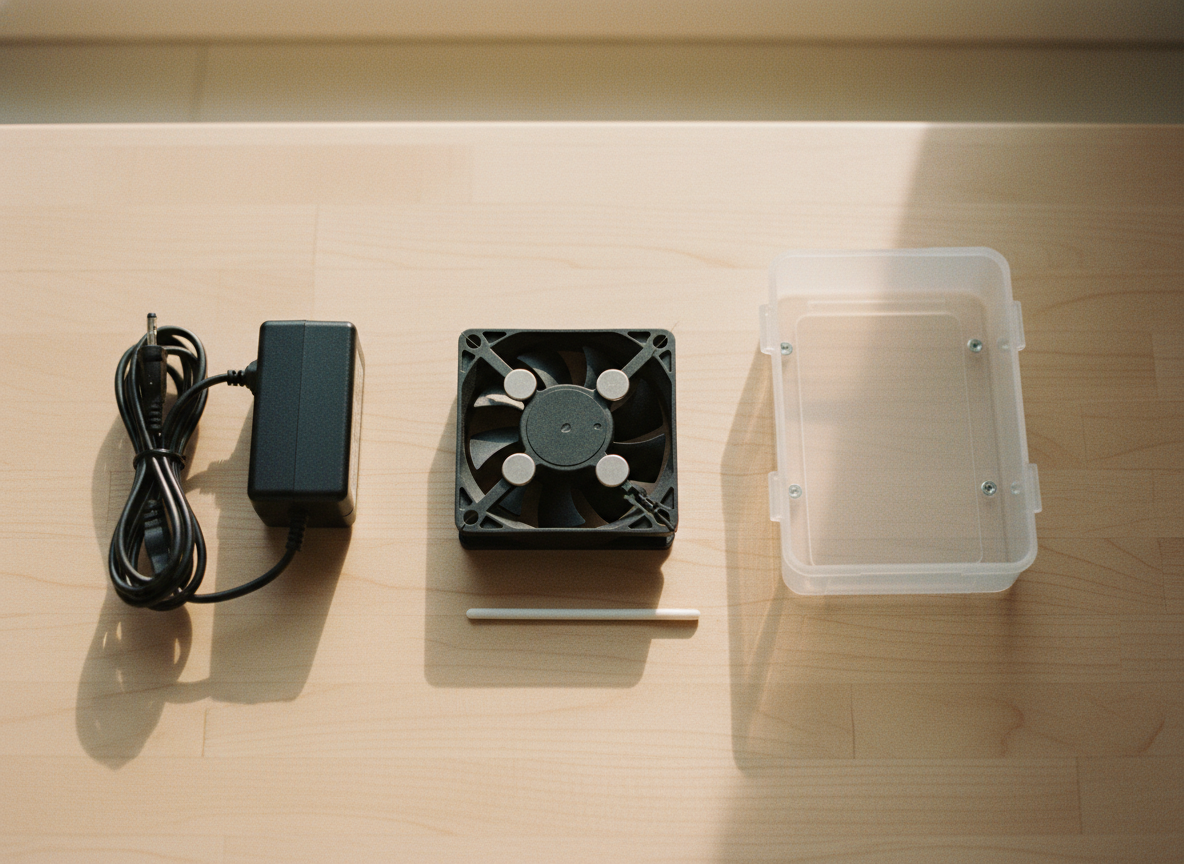
If you're handy and want to save money, building your own stir plate is a well-documented project in the mycology community. The basic design is straightforward: a computer fan, a rare earth magnet glued to the fan hub, a DC power supply with a potentiometer for speed control, and an enclosure.
How It Works
You mount a small neodymium magnet (or two, balanced) onto the center hub of a 12V computer case fan. The fan sits inside a project box or plastic enclosure, and you wire it to a variable DC power supply or a simple potentiometer circuit. When the fan spins, the magnet rotates, which spins a stir bar placed in a jar sitting on top of the enclosure.
Should You Build One?
Honestly, with the INTLLAB priced where it is, the DIY route makes less sense than it used to. Five years ago, when decent stir plates cost over $100, building your own for $15 in parts was a clear win. Today, the price gap has closed enough that the convenience of a commercial plate usually wins out.
That said, if you enjoy building things, a DIY stir plate is a satisfying weekend project. The Shroomery forums have detailed build guides with parts lists. Just make sure your magnet is strong enough (N52 neodymium, at least 20 mm diameter) and your speed control is smooth at low RPM. A fan that only runs at full speed won't work for liquid culture.
How to Use a Stir Plate with Liquid Culture
If you're new to liquid culture, here's the basic workflow with a stir plate.
Prepare Your Liquid Culture
Start with a proven recipe. Our honey liquid culture recipe uses 4% light honey by weight in distilled water. That's approximately 40 grams of honey per liter of water. You can use our liquid culture calculator to get exact ratios for any batch size.
Drop a PTFE stir bar (25-30 mm) into your mason jar before adding the liquid. Seal with a modified lid that has an injection port and a 0.2 micron filter patch for gas exchange. Sterilize in your pressure cooker at 15 PSI for 20 minutes. Let it cool completely before inoculation.
Inoculate and Stir
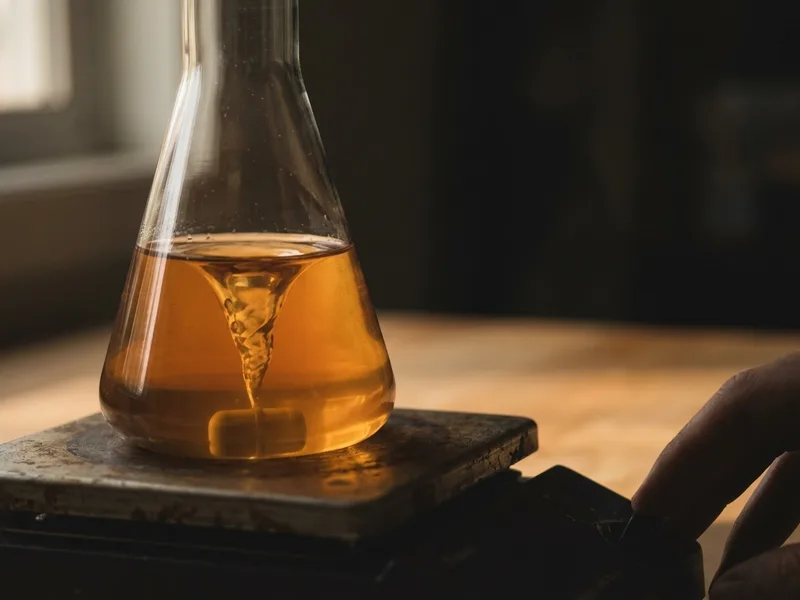
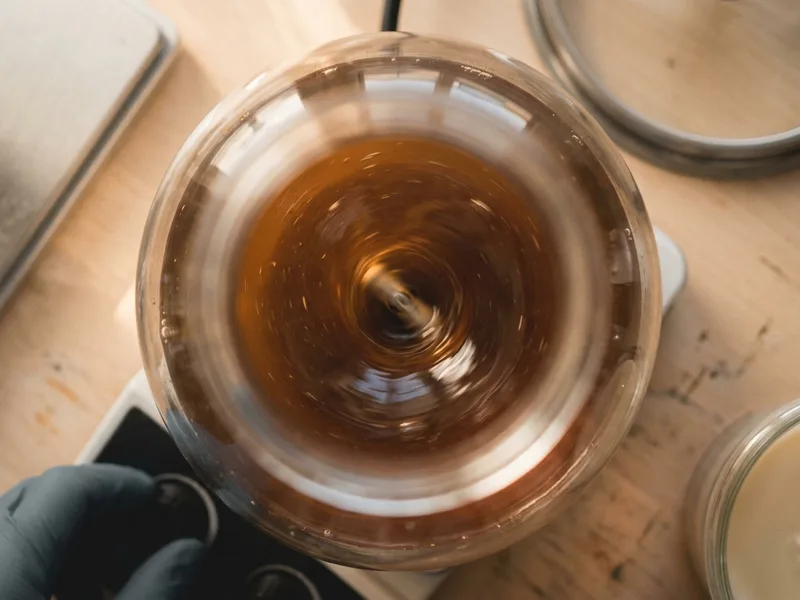
Once cooled, inoculate through the injection port with a spore syringe, liquid culture syringe, or agar wedge. Place the jar on your stir plate and set the speed to create a gentle vortex. You want to see the liquid swirling with a small dimple in the center, not a violent tornado.
A good starting point is the lowest stable speed where the bar doesn't throw. On most plates, that's somewhere around 100-200 RPM. You can increase slightly from there, but resist the urge to crank it up. Faster is not better for liquid culture.
Continuous vs Intermittent Stirring
There are two schools of thought here, and both work.
Continuous stirring keeps the mycelium fragmented and the nutrients distributed at all times. This generally produces faster colonization and a more uniform culture. The downside is that some growers find it harder to visually assess the culture for contamination because the mycelium never settles into visible clumps.
Intermittent stirring (30 minutes on, several hours off) allows the mycelium to form visible clusters between stir sessions, making it easier to spot contamination. Growth is slightly slower, but the visual feedback can be valuable, especially when you're learning.
We run continuous stirring in our lab and check cultures by lifting the jar off the plate and letting it settle for 60 seconds. Healthy mycelium forms wispy, cloud-like formations. Bacterial contamination shows as uniform cloudiness or an off-color tint.
When Is the Culture Ready?
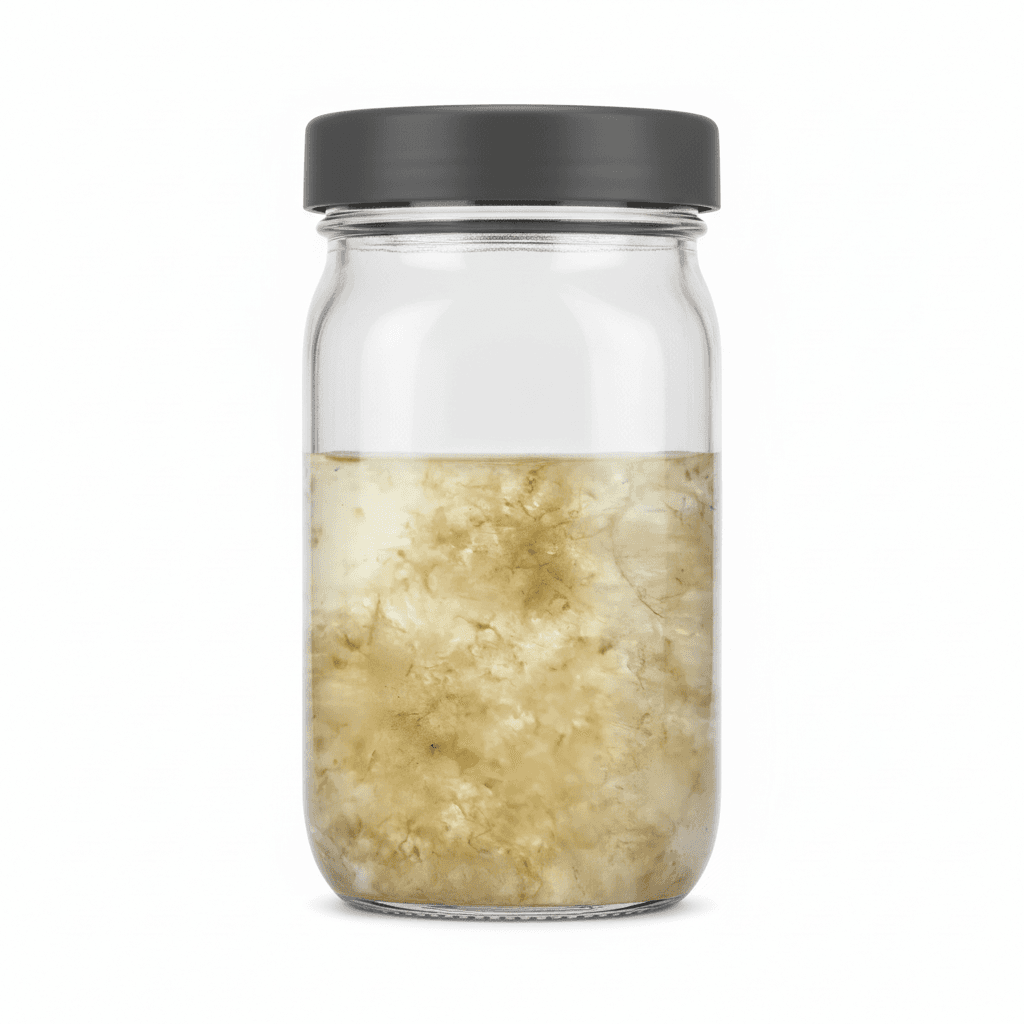
A healthy liquid culture is typically ready to use in 5-10 days on a stir plate, compared to 2-3 weeks with manual shaking. You'll see the liquid becoming visibly cloudy with suspended mycelial fragments. When you lift the jar off the plate and let it settle, you should see thick, ropy strands of mycelium drifting through the liquid.
Draw into syringes through the injection port using an 18-gauge needle. Each quart jar of liquid culture can fill 20-30 syringes, making it an incredibly cost-effective way to scale your inoculation.
Skip the DIY: Pre-Filled Liquid Culture Jars
If you want to skip the preparation and sterilization steps entirely, we sell pre-filled liquid culture jars that come ready to inoculate. Each jar is prepared with our optimized nutrient recipe, includes a stir bar, and is sealed with a self-healing injection port and 0.2 micron filter lid. Just place it on your stir plate, inoculate, and grow.
ANZESER Digital Magnetic Stirrer with LCD Display & Timer
Precise RPM readout and a programmable timer make this the choice for growers who want exact control over their liquid culture stir sessions. A meaningful upgrade from analog plates.
When you buy through our links, it supports our mycology research at no extra cost to you.
Frequently Asked Questions
What size stir bar should I use for liquid culture?
For wide-mouth quart mason jars, a 25 mm (1 inch) PTFE-coated stir bar works best. It's long enough to create adequate circulation without hitting the jar walls. For half-pint jars, use a 20 mm bar. Always use PTFE-coated bars because they're autoclave-safe and won't react with your nutrient solution.
Can I run a stir plate 24/7?
Yes. The brushless DC motors in modern stir plates like the INTLLAB are designed for continuous operation. We've run ours for months at a time without issues. Just make sure the plate has adequate ventilation underneath and isn't sitting on carpet or fabric that could trap heat.
Do I need a stir plate for liquid culture?
No, but it makes a dramatic difference. Without a stir plate, you'll need to manually shake your jars 2-3 times daily, and colonization will take 2-3 weeks instead of 5-10 days. A stir plate also produces more uniform cultures with better fragmentation, which means more consistent inoculation results.
My stir bar keeps throwing. What's wrong?
Bar throws happen when the magnetic coupling between the plate and bar is lost. Common causes: the jar isn't centered on the plate, the speed is set too high, the stir bar is too small for the jar, or the liquid is too viscous (which can happen with very dense mycelial growth). Try centering the jar, reducing speed, or using a slightly larger bar.
Can I use a stir plate with grain spawn?
No. Stir plates are specifically for liquid culture and nutrient solutions. Grain spawn is a solid medium and cannot be stirred magnetically. For grain work, you need a pressure cooker for sterilization and a laminar flow hood or still air box for inoculation.
Related Guides
- Honey Liquid Culture Recipe
- Liquid Culture Calculator
- Best Pressure Cookers for Mushroom Cultivation
- How to Make Mushroom Spawn at Home
- Essential Mushroom Growing Equipment Guide
- Browse Pre-Filled Liquid Culture Jars
Have a mushroom-growing question? Ask Dr. MycoTek for AI help with your grow. Sign in to use your free monthly allowance.