
Every mushroom grower eventually faces the same question: what equipment do I actually need? The answer depends on where you are in your growing journey, but whether you're inoculating your first grain jar or scaling up to a small commercial operation, the right tools make the difference between fighting contamination and producing consistent, clean flushes.
We've been through this process ourselves. We started with a still air box and a borrowed pressure cooker, and we've gradually built out a lab that handles everything from agar work to bulk substrate production. Along the way, we've bought equipment that was worth every penny and equipment that collected dust. This guide is the result of that experience.
Here's everything you need, organized by category, with our honest recommendations and links to our detailed reviews.
This post contains affiliate links. When you buy through our links, it supports our mycology work at no extra cost to you.
Sterilization: Pressure Cookers
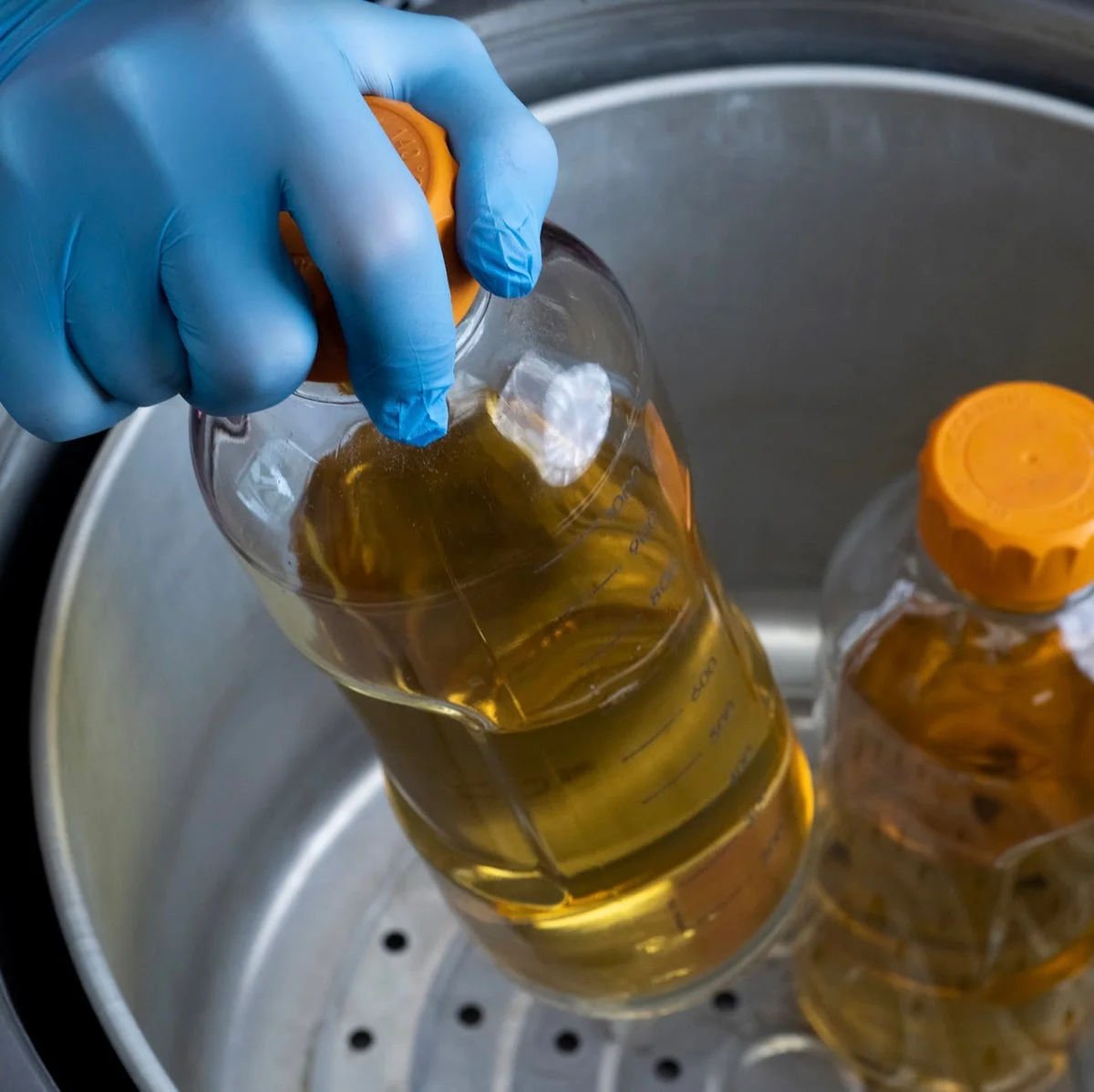
Sterilization is the foundation of mushroom cultivation. Without it, you're fighting an uphill battle against contamination every single time. A pressure cooker that reaches 15 PSI is non-negotiable for sterilizing grain spawn, agar, and liquid culture media.
Grain and many supplemented substrate recipes need pressure sterilization using suitable equipment, such as a pressure canner or autoclave. The required process depends on load size, container and pressure. Follow a tested method and the equipment instructions; a fixed 90-minute cycle is not a guarantee for every bag or jar.
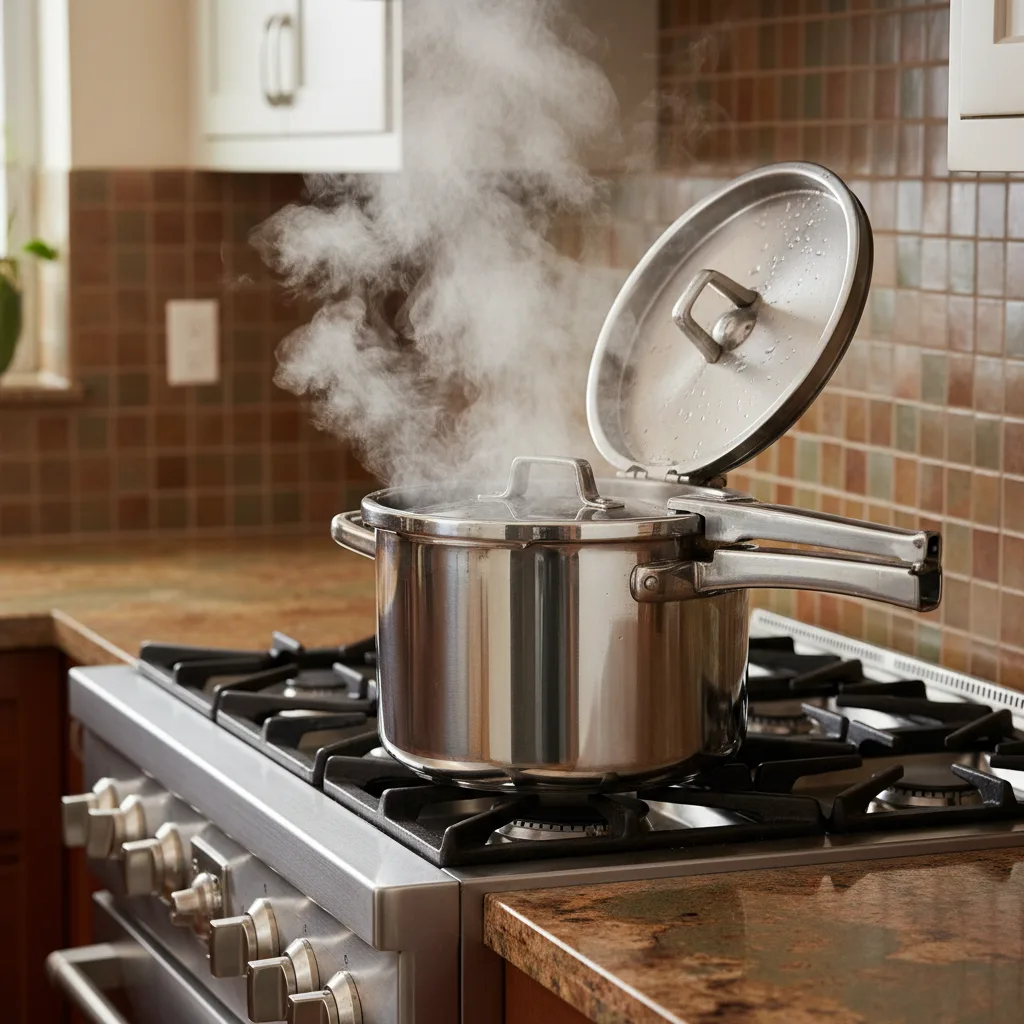
What to Look For
The most important factor is capacity. A 23-quart pressure cooker fits approximately 7 quart-sized mason jars, which is a practical batch size for hobby growers. Going smaller means more batches, more time, and more propane or electricity. Going bigger (like a 41-quart All American) makes sense if you're scaling up to commercial production.
The second consideration is construction. Aluminum cookers are lighter and more affordable. Cast aluminum cookers with metal-to-metal seals (like the All American line) never need gasket replacements and last decades.
Read our full review: Best Pressure Cookers for Mushroom Cultivation
Scaling up? Best Autoclaves for Mushroom Growing — when a pressure cooker isn't enough anymore.
Clean Air: Flow Hoods and Still Air Boxes
Contamination enters your work through airborne particles. Every time you open a jar, transfer agar, or inoculate a bag, you're exposing sterile material to whatever is floating in the air. Clean air equipment solves this problem.
There are two approaches: a laminar flow hood that pushes HEPA-filtered air across your workspace, or a still air box (SAB) that creates a calm, enclosed environment where airborne particles settle out.
Still Air Box (Beginner)
A still air box is where most growers start, and honestly, you can do excellent work in one. It's a clear plastic tote with arm holes cut in the side. The enclosed space limits air movement, which limits contamination. We have a complete build guide that walks you through the whole process.
Cost: Very budget-friendly. A plastic tote and a few minutes of work.
Read our guide: How to Build a Still Air Box
Laminar Flow Hood (Intermediate to Advanced)
A flow hood is a game-changer. HEPA-filtered air flows in a laminar (non-turbulent) pattern across your workspace, reducing airborne particles in the working area when the unit is correctly installed and used. Your contamination rate drops dramatically, and you can work more quickly because you're not fighting the clock against settling particles.
The downside is cost. Commercial flow hoods are a significant investment. DIY builds cut that substantially but require some mechanical aptitude.
Read our full review: Best Laminar Flow Hoods for Mushroom Cultivation
Compare your options: Laminar Flow Hood vs. Still Air Box
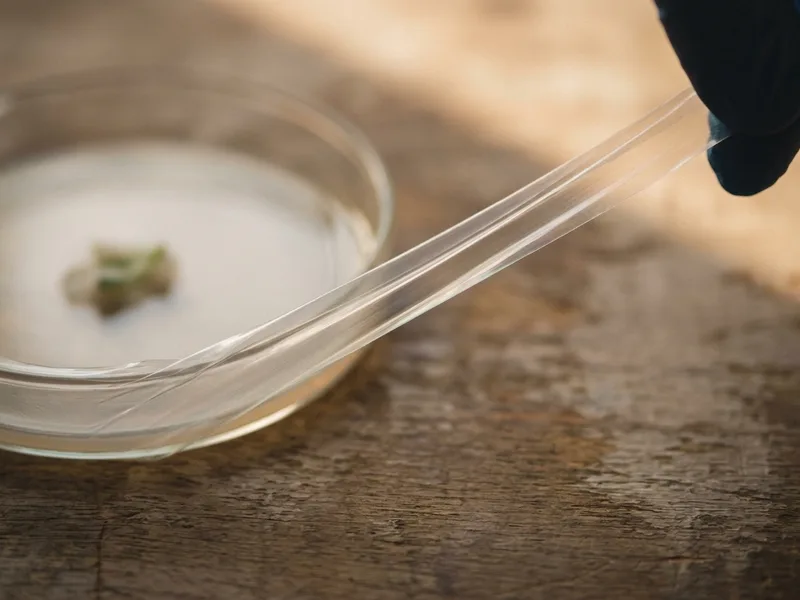
Parafilm M Laboratory Film (4" x 125')
The standard in mycology labs worldwide. One roll lasts months, even with heavy agar work. Stretch it around your plates after inoculation and you'll see contamination rates drop immediately.
When you buy through our links, it supports our mycology research at no extra cost to you.
Fruiting Chambers
Once your substrate is colonized, you need a controlled environment for fruiting. The three most popular options are monotubs, Martha tents, and shotgun fruiting chambers.
Monotub
A monotub is a large plastic storage tote modified with holes for air exchange. It's self-contained, low-maintenance, and excellent for species like oyster mushrooms that tolerate a range of humidity levels. Most growers running bulk substrate use monotubs.
Read our guide: Monotub Fruiting Chamber Guide
Martha Tent
A Martha tent is a small greenhouse frame with a cover, outfitted with a humidifier and controller. It fruits multiple blocks on shelves and gives you precise control over humidity and fresh air exchange. This is the setup we recommend for anyone growing multiple species or running more than a few blocks at a time.
Read our guide: Martha Tent Setup Guide
Read our full review: Best Grow Tents for Mushroom Fruiting
Shotgun Fruiting Chamber (SGFC)
The classic beginner setup: a plastic tote filled with damp perlite and drilled with holes on all six sides. It works well for PF Tek cakes and small grows, but you'll outgrow it quickly.
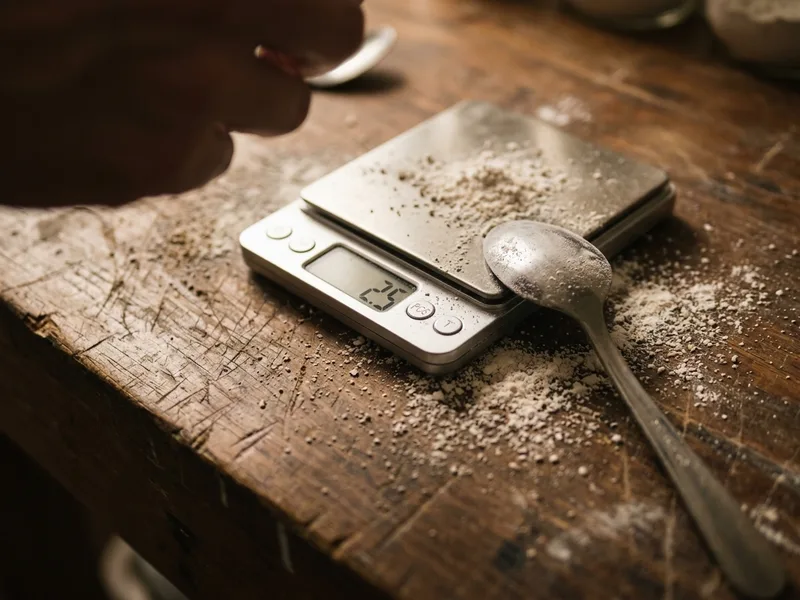
Digital Kitchen Scale (0.1g Precision)
Accurate to 0.1g, which is precise enough for agar recipes and liquid culture measurements. Tare function, stainless steel platform, and runs on AAA batteries. Nothing fancy, but it works.
When you buy through our links, it supports our mycology research at no extra cost to you.
Environmental Control: Humidity Controllers
Mushrooms need consistent humidity during fruiting, typically 80-95% relative humidity depending on the species. Manually misting your fruiting chamber works for a single tub, but it's not sustainable when you're running multiple blocks or a Martha tent.
A humidity controller automates this. It plugs into your humidifier and cycles it on and off to maintain your target humidity. Set it to 90%, and it does the rest.
Read our full review: Best Humidity Controllers for Mushroom Growing
Related: What Temperature Do Mushrooms Need?
Drying and Preservation: Dehydrators
If you're growing mushrooms, you're going to have more than you can eat fresh. A dehydrator lets you preserve your harvest for months, concentrating flavour and making storage simple. Properly dried mushrooms (cracker-dry, no flexibility) store indefinitely in airtight containers.
The key specs that matter are airflow direction, tray capacity, and temperature range. You want a dehydrator that reaches at least 57C (135F) for efficient drying, with enough tray space to handle a full flush.
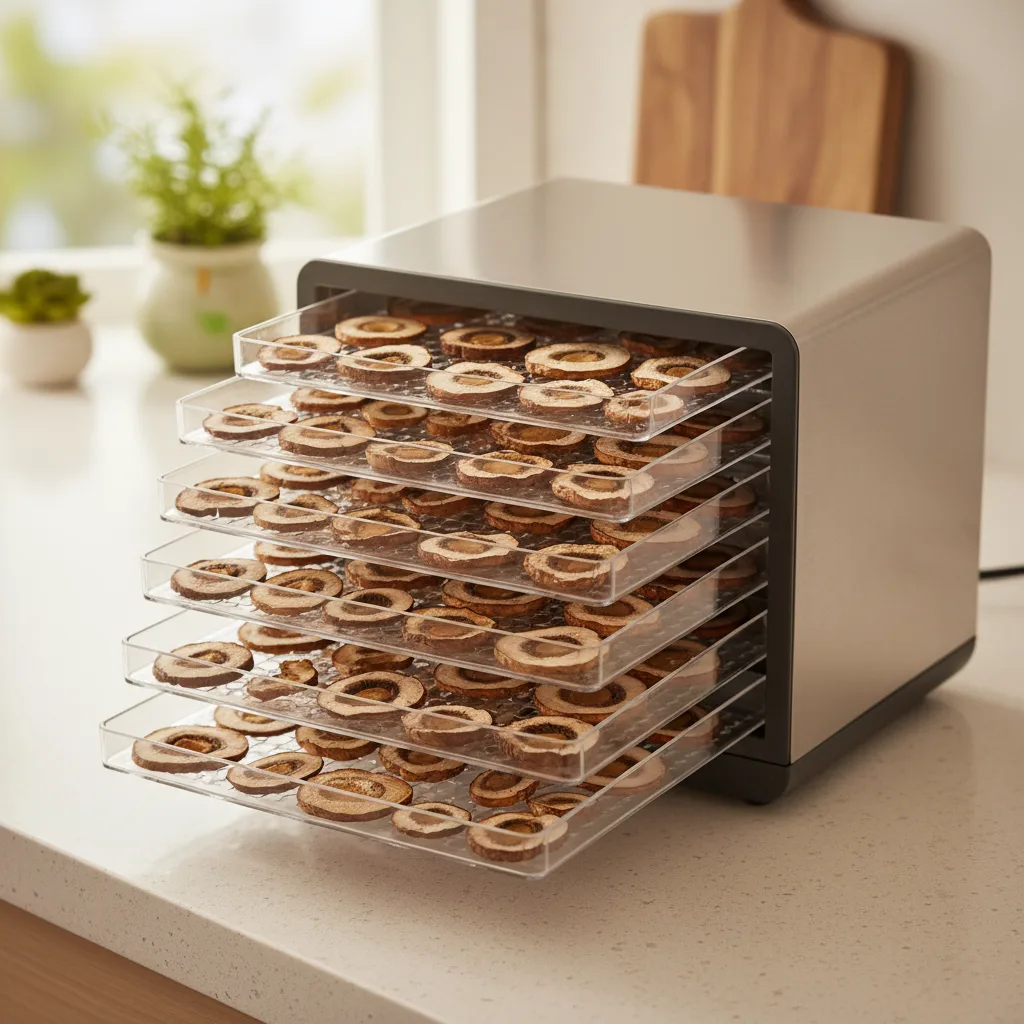
Read our full review: Best Dehydrators for Mushroom Drying
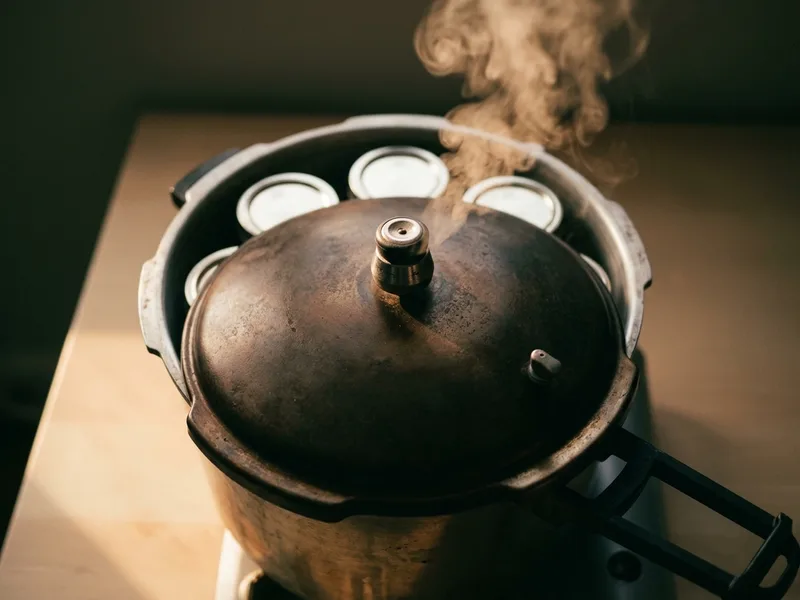
Presto 23-Quart Pressure Canner (01781)
One option for growers making their own grain spawn. Fits 7 quart jars, heats up quickly, and gets the job done without breaking the bank. We ran ours for two years before upgrading.
When you buy through our links, it supports our mycology research at no extra cost to you.
Sealing: Impulse Sealers
If you're working with mushroom grow bags, you need a way to seal them. An impulse sealer creates a heat seal across polypropylene bags in seconds. Unlike a constant-heat sealer, an impulse sealer only heats when you press the handle, making it safer and more energy-efficient.
The width of your sealer needs to match your bag size. Most standard mushroom grow bags are 20-25 cm (8-10 inches) wide when laid flat, so a 30 cm (12-inch) sealer gives you comfortable clearance. If you're working with larger bags or commercial quantities, a 40 cm (16-inch) sealer is worth the upgrade.
Read our full review: Best Impulse Sealers for Mushroom Grow Bags
Lab Tools
These are the small items that make sterile work possible. None of them are expensive individually, but having them on hand when you need them saves a lot of frustration.
Scalpels and Blades
You need a scalpel for agar transfers, cloning, and cutting grain spawn. A #10 or #11 blade on a #3 handle is the standard in mycology. Buy blades in bulk because you'll go through them quickly, and a dull blade is a contamination risk.
Parafilm
Parafilm is a self-sealing wax film that you wrap around the edges of petri dishes after inoculation. It allows gas exchange while preventing contaminants from entering. It's far superior to electrical tape or plastic wrap for sealing plates.
Alcohol Lamp or Butane Torch
Some culture-transfer methods use flame to heat suitable metal tools. Keep any flame outside a still-air box and well away from alcohol and other flammable material. Let tools cool before touching cultures, and follow the method and equipment instructions. A grow-kit owner does not need a torch or alcohol lamp.
Isopropyl Alcohol (70%)
The most used consumable in any mycology lab. You'll spray it on your hands, your workspace, your tools, the outside of jars, and pretty much everything else. Buy it by the litre. 70% concentration is more effective as a surface disinfectant than 99% because the water helps the alcohol penetrate cell walls.
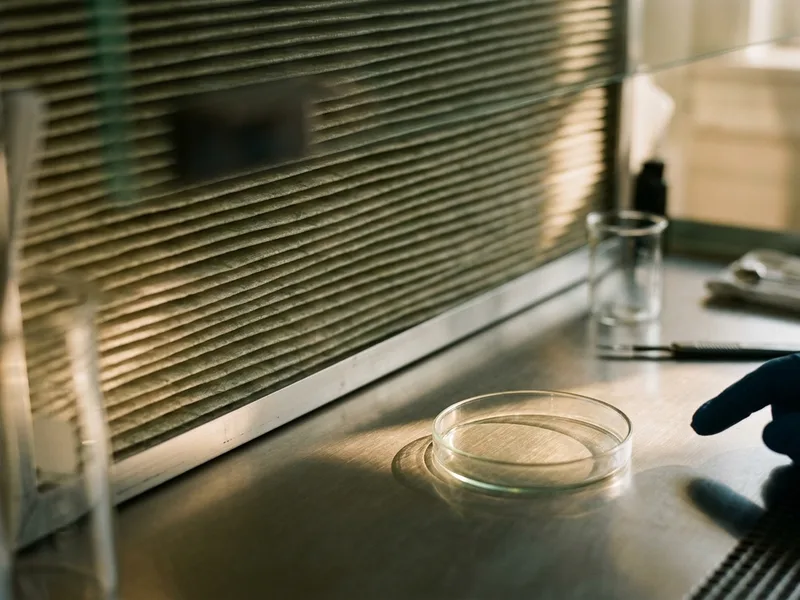
Bonsai HEPAFLOW 12"x12" Compact Flow Hood
Made in the USA with a 99.99% HEPA filter. The compact footprint fits on a desk, and the build quality is excellent. Perfect for home growers who want proper clean air without building their own.
When you buy through our links, it supports our mycology research at no extra cost to you.
Measurement: Scales, Thermometers, and Hygrometers
Digital Scale
You need a scale for measuring grain, substrate ingredients, and liquid culture components. A basic kitchen scale that reads in grams is fine for most work. If you're doing precise agar recipes, a scale that reads to 0.1g is helpful but not essential.
Thermometer / Hygrometer
A simple digital thermometer/hygrometer lets you monitor conditions in your fruiting chamber, incubation area, or grow room at a glance. We keep one inside the Martha tent and one in the incubation closet. Look for one with a probe or external sensor so you can mount the display outside the chamber.
Magnetic Stir Plate
If you're making liquid culture, a magnetic stir plate is the single best upgrade to your workflow. A spinning stir bar fragments mycelium, oxygenates the broth, and distributes nutrients evenly, turning a multi-week colonization into a process that can be ready in days. Most growers use the INTLLAB MS-500.
Read our full review: Best Magnetic Stir Plates for Liquid Culture
Moisture Meter (Optional)
A grain moisture meter can remove the guesswork from substrate preparation. If you're consistently getting too-wet or too-dry grain, a moisture meter tells you exactly where you are. It's not essential, but it's nice to have when dialling in your grain spawn process.
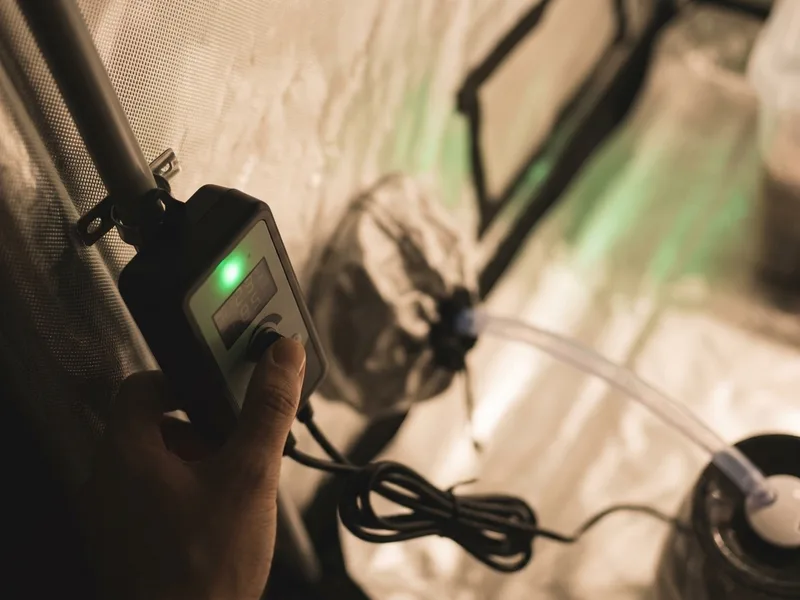
Inkbird IHC-200 WiFi Humidity Controller
The controller we recommend to every serious grower. WiFi lets you monitor and adjust humidity from your phone. Dual outlet design means you can control both a humidifier and a dehumidifier if needed.
When you buy through our links, it supports our mycology research at no extra cost to you.
What We Make and What You Buy Elsewhere
Everything above mixes two kinds of purchase, and it is worth being clear about which is which.
We make the consumables: grain spawn, agar plates, sterilised substrate, grow bags and liquid cultures, out of our own CFIA-licensed facility in Brantford, Ontario. Those are the items you buy again and again, and the half of this list where a Canadian producer saves you both the sterilisation work and the cross-border shipping.
We do not make the hardware. Pressure cookers, flow hoods, inline fans, grow tents, dehydrators and impulse sealers all come from third parties, which is why the picks above point at All American, METRONIC, INTLLAB and Inkbird rather than at anything with our name on it.
So build the hardware list from the reviews above, then fill the consumable side from our mushroom growing supplies range.
Bundles That Replace a Shopping List
If the list above reads as a dozen separate decisions, the bundles below collapse it into one. Each pairs a culture with the substrate it goes into, in matched quantities, so nothing sits in a cupboard waiting on the other half. Grain spawn is sold in 5 lb increments, and the spawn rate is worked out for you.
| Bundle | What is inside | Who it suits | Price |
|---|---|---|---|
| Inoculation Starter | Two 3cc liquid cultures, 5 lb sterilised millet with injection ports | First time making your own spawn | $52.95 |
| Agar Starter | Two live agar plates, 5 lb sterilised grain with transfer ports | Learning agar work start to finish | $61.95 |
| Spawn Starter | 5 lb ready grain spawn, six sterilised hardwood blocks | Skipping the lab and going straight to fruiting | $109.95 |
| Commercial Grower | 200 ml commercial liquid culture, twelve sterilised grain bags, ten 10 mL syringes with needles | A practical first production run | $174.95 |
Choose on where you want to start rather than on price: the inoculation and agar bundles if the lab work interests you, the spawn starter if you want mushrooms this month.
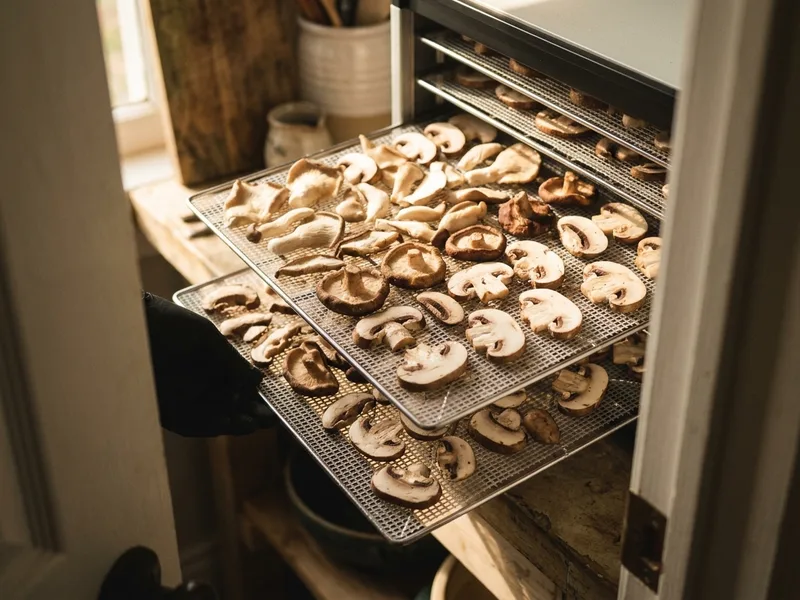
Myco Labs 350W Mushroom Dehydrator
A dehydrator option with extra space for mushrooms. Extra tall trays fit whole mushrooms without cutting, and the 360-degree airflow dries evenly across all trays.
When you buy through our links, it supports our mycology research at no extra cost to you.
Consumables You Will Reorder
Hardware is a one-time shock. Consumables are the spend that creeps up, so here is how quickly each one goes.
Satrise Grow Bags Med, 0.5 micron start at $19 for ten bags and run to $425 for eight hundred. A bag is single use once it has been through a sterilisation cycle and cut open, so your reorder rate is your block rate.
Sterilized Organic Millet Grain Bags start at $29 for 2 bags, 5 lb in total, then step up to 30 lb and 60 lb cases at $109.95 and $199.95. Take the injection-port version if you are inoculating from a syringe. This is the item most worth buying by the case: the price per pound drops sharply, and pre-sterilised grain takes the longest cycle out of your week. If you would rather do that work yourself, our guide to making mushroom spawn covers the process.
LME Agar Plates 6-Pack are $30, or $120 for a case of 60. Six plates covers a couple of cloning sessions, so anyone working agar weekly should be on the case.
10 mL Luer-Lock Sterile Syringes with 18G needles start at $20 for ten syringe and needle pairs, with twenty and fifty pair options at $36 and $80. Needles dull faster than growers expect, and a dull one tears an injection port instead of passing through it.
Pre-Sterilized Hardwood Mushroom Substrate Blocks start at $44.95 for 2 blocks, 10 lb in total, and scale through 6, 12, 24 and 48 block cases. Two blocks is a weekend, twelve a season of steady fruiting.
What a Full Setup Costs in Canadian Dollars
Nobody publishes this number, so growers guess at it and guess low. Our own prices below are exact. The third-party figures are ranges rather than quotes: the sterilizer and humidity controller numbers come from our autoclave and humidity controller guides, and the rest moves too much with retailer and season to pin down.
| Stage | Nature Lion | Third party | Total |
|---|---|---|---|
| First grow | Spawn Starter Bundle, $109.95 | Tote for a still air box, 70% isopropyl, spray bottle | $150 to $250 |
| Serious hobbyist | Agar Starter, a 30 lb grain case, hardwood blocks, bags, plates and syringes, about $320 | 23 quart pressure canner, 12 inch impulse sealer, Martha tent, humidity controller at $30 to $40 | $700 to $1,300 |
| Small commercial | Commercial Grower Bundle, 60 lb grain case, 48 hardwood blocks, bags and plates by the case, about $1,400 | All American sterilizer at $700 to $1,250, flow hood, 4x4 tent, commercial dehydrator, 16 inch sealer | $3,000 to $5,500 |
The first-grow row is low because at that tier you are not buying clean air, you are building it, and our still air box build guide covers the tote version. The jump to the middle row is where a pressure canner lands, the largest single step in the table.
The bottom row is where the ratio flips. A hobbyist spends most of their money on hardware. A commercial grower already owns the hardware and spends it on grain, blocks and bags instead.
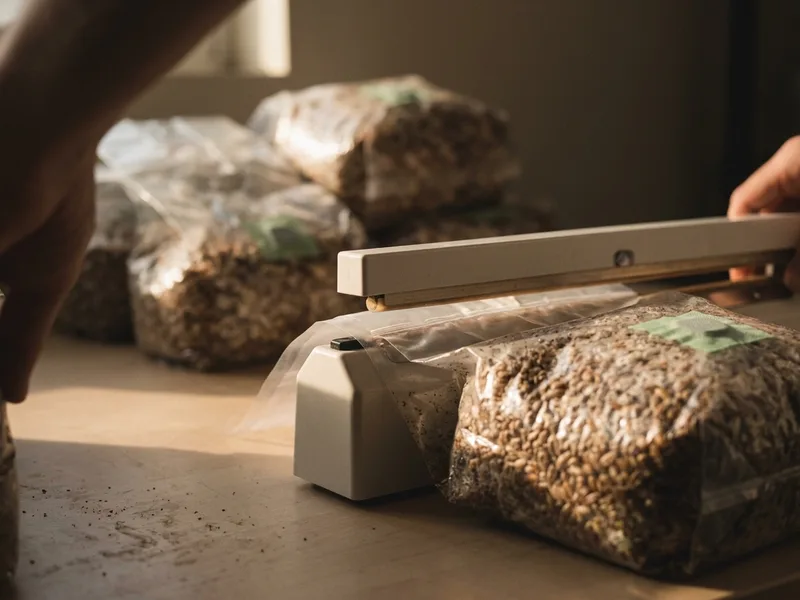
METRONIC 12-Inch Impulse Sealer
The right size for most mushroom grow bags. Heavy-duty construction, adjustable heat settings, and replacement parts are easy to find. This is the one we use in our own lab.
When you buy through our links, it supports our mycology research at no extra cost to you.
Building Your Equipment List by Stage
Not everyone needs everything at once. Here's how we'd prioritize based on where you are:
Beginner: Opening a Ready-to-Grow Kit
For a Nature Lion boxed kit, start with:
- The kit and its included spray bottle
- Clean water
- A clean knife and a fork for opening and gently scraping
- The included humidity tent if it is Lion’s Mane
- A clean knife and plate at harvest
- A kitchen scale and clean soaking container when preparing the second crop
You do not need a pressure cooker, still-air box or laboratory supplies to open a prepared kit. A thermometer can help check the room, and a dehydrator is optional if you want to preserve a larger harvest.
For methods such as PF Tek or homemade grain and sawdust bags, read the full method before buying equipment. These projects involve preparation that a boxed kit has already completed.
Intermediate (Making Your Own Spawn)
Once you're making spawn, working with agar, and running monotubs:
- Pressure sterilization equipment suitable for your chosen load
- Still-air box or suitable clean transfer setup
- Surface-cleaning supplies, used according to their labels
- Scalpel and blades
- Parafilm
- Alcohol lamp or torch
- Impulse sealer (if using grow bags)
- Humidity controller
- Martha tent or dedicated fruiting area
Advanced (Scaling Up)
If you're producing for sale or running a serious hobby operation:
- Everything above, plus:
- Laminar flow hood (commercial or DIY)
- Autoclave / large sterilizer (All American 75X)
- Magnetic stir plate for liquid culture production
- Grow tent or Martha tent for dedicated fruiting
- Commercial dehydrator (Excalibur 9-tray)
- 16-inch impulse sealer
- Combined temperature and humidity controller
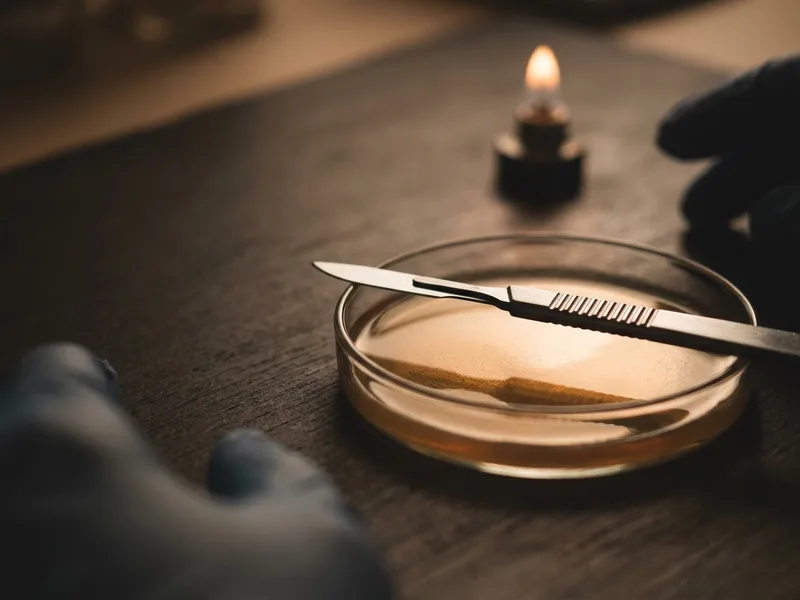
Surgical Scalpel Handle #3 with #10 Blades (10-Pack)
A #3 handle fits the most common blade sizes for mycology work. Get a 10-pack of blades at minimum. We flame-sterilize between transfers and swap in a fresh blade every session.
When you buy through our links, it supports our mycology research at no extra cost to you.
Frequently Asked Questions
What should I buy first?
Buy the thing that removes your most likely failure, which at the start is rarely a tool. Contamination during grain preparation ends more first attempts than anything at the bench, so the fastest route to a clean result is grain and substrate that arrive already sterilised.
That means a bundle or a case of blocks before a pressure cooker. Grow something successfully first, and you will know which part of the process you want to own.
Pressure cooker or flow hood first?
Pressure cooker, almost always. A sterilisation failure ruins a whole batch, while airborne contamination usually costs you a jar or two, and a still air box handles clean transfers well enough that most growers never outgrow one.
Buy the flow hood when the time you lose working slowly inside a tote costs more than the hood does.
What can I skip?
A moisture meter, a dedicated incubator, a commercial dehydrator, a flow hood, a stir plate and a second fruiting chamber can all wait.
What you cannot skip is pressure sterilisation if you are making your own grain, a way to hold humidity during fruiting, and 70% isopropyl. The rest is convenience you can buy later.
What is a realistic first-year spend?
Between $700 and $1,300 for most people who stay with it, spread across the year rather than paid up front.
Growers who spend more usually bought hardware for a scale they had not reached. Growers who spend less buy consumables by the case and build their own clean-air setup.
Where to Go Next
Each category above links to our detailed review and buying guide where we compare specific models, share our hands-on experience, and help you choose the right option for your budget and goals.
If you're brand new to mushroom growing, start with our Complete Guide to Growing Mushrooms or our Best Mushrooms for Beginners in Canada guide. Those will give you the big picture before you start assembling your equipment list.
Choose equipment for the method you will actually use. See the home-growing guide for kits, buckets, blocks, logs, and tents, or the commercial-growing guide for repeated batches, rooms, production records, and Canadian commercial purchasing.
If you are comparing individual tools rather than assembling a complete system, browse the Mushroom Growing Tips equipment and lab setup reference for focused pressure-cooker, clean-air, fruiting-equipment, and budget questions.
And if you're ready to skip the equipment phase and just start growing, check out our ready-to-grow kits for prepared blocks. Spawn is a starter for making your own grow and needs more preparation.
Need help with a Nature Lion kit? Start with the kit care guide, or email info@naturelion.ca with a photo and your start date. Dr. MycoTek is another option for growing questions and notes.