
Northern Canada — the Yukon, Northwest Territories, and Nunavut — is the most underrated foraging region in the country. The southern Yukon boreal produces some of the firmest, densest king boletes in North America, the year after a major wildfire produces commercial-quantity black morel flushes, and Yukon-NWT boreal birch country may have the highest chaga density of any landscape on Earth. The catch: the season is short, the foraging window for most species is six weeks at best, and treeline cuts the species list to a handful of tundra-adapted fungi north of roughly 65°N.
This guide covers what's findable across the three northern territories, the legal framework (different from the south in important ways), and the short, intense season.
Northern Canada (YT + NT + NU) Foraging Calendar
What's fruiting in Northern Canada (YT + NT + NU) — tap a month to see the species.
October in Northern Canada (YT + NT + NU)
1 species fruiting
Chaga
Inonotus obliquus
Yukon and NWT boreal birch country may have the highest chaga density in the world. Easiest to spot after leaf-fall and through the long winter. Harvest sparingly — never take more than a third of any single conk.
View this species on Dr. MycoTek →Year at a glance
The Legal Framework
Yukon
Crown Land
Roughly 99% of the Yukon is Crown land or settlement land — administered by the Yukon government under the Yukon Lands Act, with significant areas under First Nations final agreements (modern treaties). Personal-use harvesting of non-timber forest products — including mushrooms — is generally permitted on public Crown land. Commercial harvesting requires authorisation.
Settlement Land (First Nations)
Yukon has 11 self-governing First Nations under modern land claim agreements. Settlement land — particularly Category A — requires consent from the First Nation. Always check the specific land status before harvesting.
National Parks
Kluane, Vuntut, and Ivvavik strictly prohibit foraging.
Northwest Territories
Public Land
Most of NWT is federal Crown land or Indigenous land under modern treaties (Inuvialuit, Gwich'in, Sahtu, Tłı̨chǫ, etc.). Personal-use harvesting is generally permitted on public Crown land. Commercial harvesting requires authorisation.
National Parks
Wood Buffalo, Nahanni, Aulavik, Tuktut Nogait, and Thaidene Nene strictly prohibit foraging.
Indigenous Territory
NWT is largely under modern land claim agreements with Inuvialuit, Gwich'in, Sahtu Dene and Métis, Tłı̨chǫ, Akaitcho, and Dehcho Nations. Respect Indigenous harvesting rights and consult with the relevant Nation if harvesting on settlement land.
Nunavut
Public and Indigenous Land
Nunavut is governed by the Nunavut Agreement — a modern land claim creating Inuit-owned land and Crown public land. Personal-use harvesting is generally permitted on public Crown land. Inuit-owned land requires consent from the Regional Inuit Association.
National Parks
Auyuittuq, Quttinirpaaq, Sirmilik, Ukkusiksalik, and Qausuittuq strictly prohibit foraging.
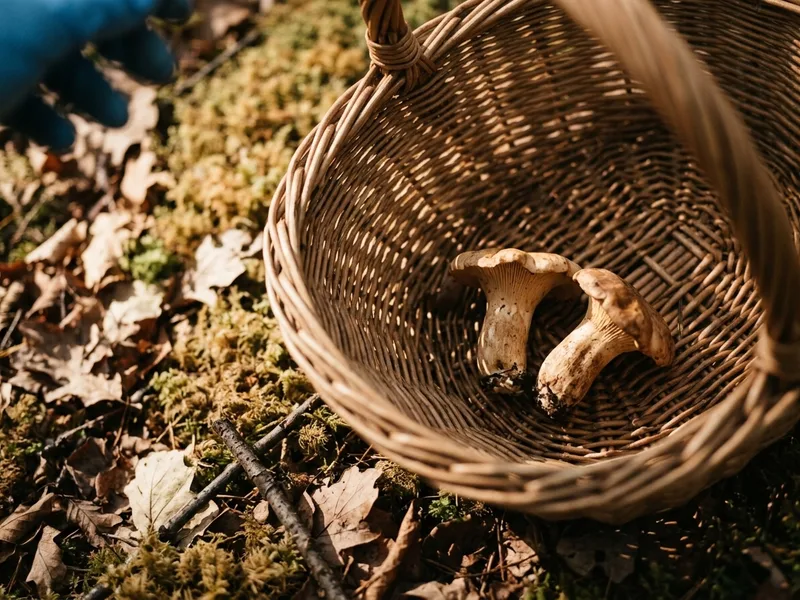
Wicker Foraging Basket
An open weave lets spores drop back through as you walk, which a plastic bag does not, and it stops a soft cap being crushed under everything picked after it. Size it to the walk, not the best day you have ever had.
When you buy through our links, it supports our mycology research at no extra cost to you.
Northern Foraging Regions
Southern Yukon — Boreal Forest
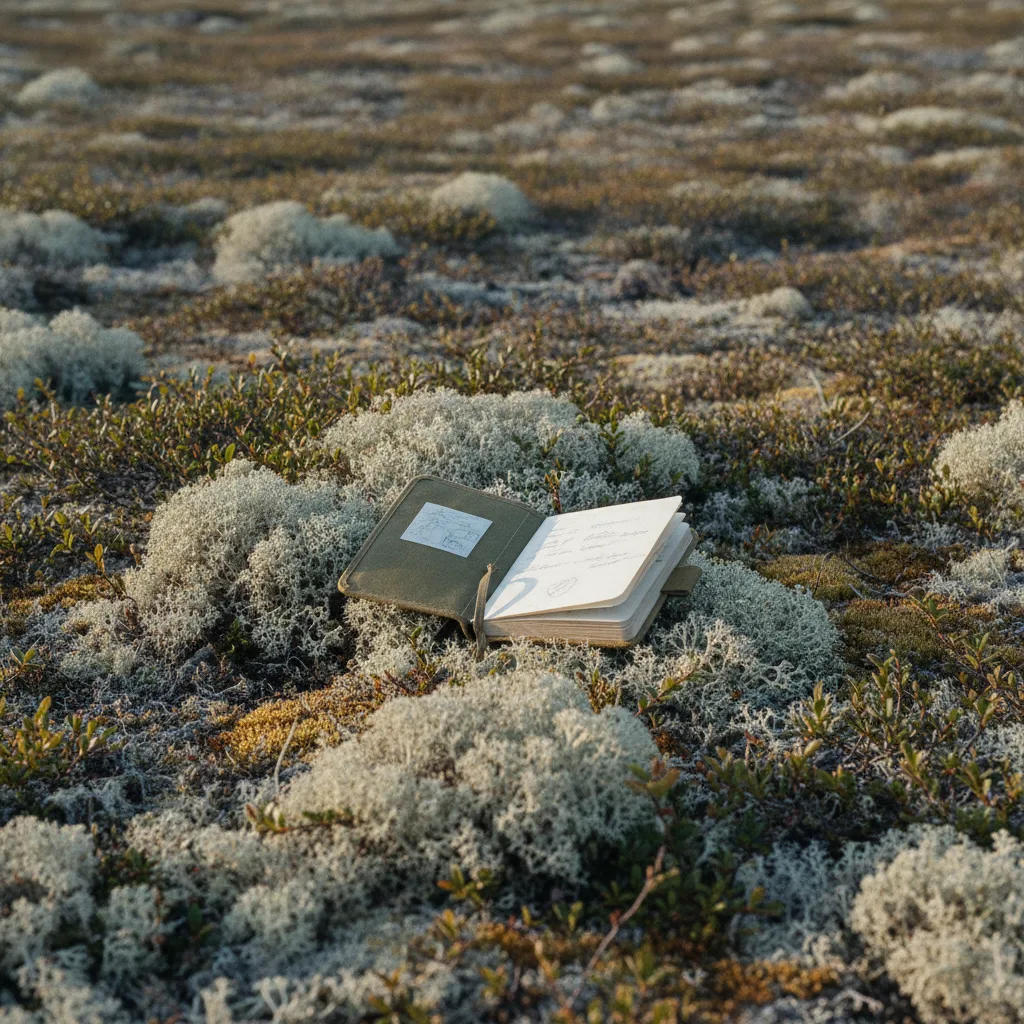
The southern Yukon south of Whitehorse — Marsh Lake, Carcross, the Watson Lake area. White spruce, lodgepole pine, balsam poplar, aspen. The most productive foraging zone in the territories.
Best species: Black morels in burns, king boletes, aspen boletes, birch boletes, slippery jack under pine, hedgehogs, honey mushrooms, abundant chaga.
Yukon Plateau and Mackenzie Valley
The interior plateau through central Yukon and the Mackenzie River valley in NWT (Fort Simpson, Fort Providence, Norman Wells). Black spruce, white spruce, balsam fir, white birch. Short season, big finds in good years.
Best species: King boletes, birch boletes, chaga, honey mushrooms, shaggy manes around settlements.
Subarctic Taiga (northern NWT, southern Nunavut)
Dwarf birch, willow, scattered spruce. Treeline runs through this zone. Species list narrows to hardy boreal species at lower elevations and a few tundra-edge fungi above treeline.
Best species: Tundra bolete (Leccinum holopus) in dwarf birch tundra, chaga on the last birch stands, occasional shaggy manes around northern communities.
Arctic Tundra (most of Nunavut, far northern NWT)
True tundra above treeline. Very limited mushroom species. Almost no public foraging in the conventional sense, though Inuit traditional food knowledge includes specific tundra fungi gathered in late summer.
What to take with you
Foraging needs very little kit, and the three things that matter each do a different job: carry the find without crushing it, cut it without damaging what is left behind, and clean it dry.
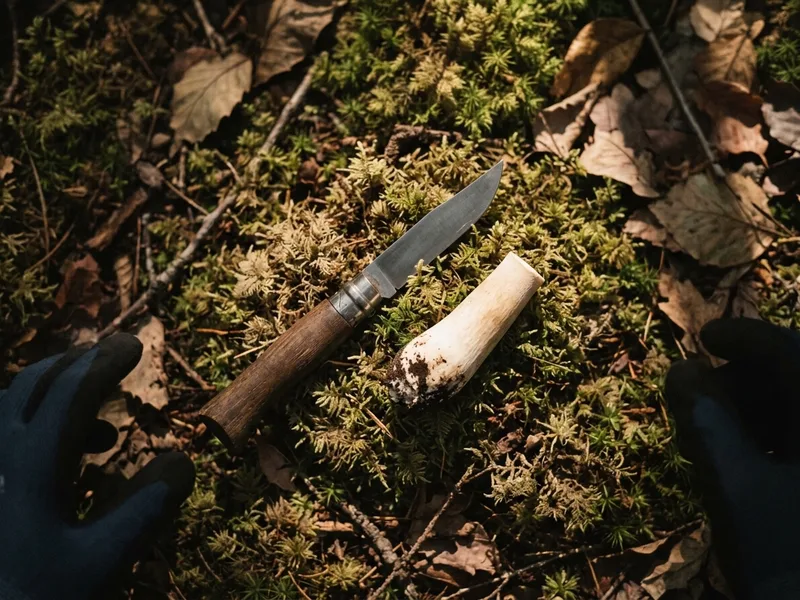
Opinel No. 08 Mushroom Knife
A curved blade cuts the stem cleanly at the base instead of tearing the mycelium out with it, and the boar bristle brush is set into the handle so cleaning happens in the field rather than at the sink.
When you buy through our links, it supports our mycology research at no extra cost to you.
Species by Season
The northern season is compressed — most species fruit in a 4–6 week window from late July through early September.
Spring/Early Summer (June - July)
Black Morels (Morchella angusticeps) — Yukon's signature spring species, especially the year after wildfire burns in the southern boreal. Long summer days speed fruiting. The Yukon Wildfire Information map from the previous summer is your roadmap.
Yellow Morels (Morchella esculenta) — Less common than blacks. Aspen and cottonwood bottomlands in southern Yukon.
Wild Oyster Mushrooms (Pleurotus ostreatus) — Fallen aspen and cottonwood in Yukon and southern NWT. If you can't get out, you can grow oysters year-round at home with a grow kit or grain spawn.
Late Summer (August - early September)
King Bolete (Porcini) (Boletus edulis) — White spruce and lodgepole pine in southern Yukon. Cool nights produce some of the firmest porcini in North America.
Aspen Bolete (Leccinum insigne) — Yukon and southern NWT aspen stands.
Birch Bolete (Leccinum scabrum) — Boreal birch across the north. Mild flavour, holds up in soups.
Slippery Jack (Suillus luteus) — Pine forests in southern Yukon. Peel the slime layer.
Hedgehog Mushroom (Hydnum repandum) — Southern Yukon mixed-wood forests. No deadly lookalikes — best species for new northern foragers.
Honey Mushrooms (Armillaria group) — Clusters on dying aspen and poplar. Short window — early frosts can end the flush. Confirm against the deadly Galerina marginata.
Shaggy Mane (Coprinus comatus) — Disturbed soil around northern settlements. Common in Whitehorse, Dawson, Yellowknife, Iqaluit. Eat the same day.
Giant Puffball (Calvatia gigantea) — Rare but possible in disturbed grassland around southern communities. Pure white inside is essential.
Tundra Bolete (Leccinum holopus) — Dwarf-birch tundra at and above treeline in northern NWT and southern Nunavut. White cap, small, abundant in good years. Important in Inuit traditional food.
Year-Round
Chaga (Inonotus obliquus) — The single biggest reason to forage in the north. Yukon and NWT boreal birch country holds chaga densities that are arguably the highest on the planet. Year-round, easiest to spot after leaf-fall and through the long winter. Harvest sparingly — never take more than a third of any conk, never harvest from sick or recently downed trees, and respect that this is a slow-growing resource.
Toxic Look-alikes Every Northern Forager Must Know
The northern species list is smaller, but the deadly lookalikes still exist.
False Morel (Gyromitra esculenta) — Brain-like cap (not honeycomb), solid or chambered inside (true morels are completely hollow). Contains gyromitrin — there is no safe home preparation. Common in burn areas alongside true morels.
Destroying Angel (Amanita bisporigera and A. virosa) — All-white mushroom with cup-like volva and a ring on the stem. Found in mixed forests of southern Yukon and NWT. Causes irreversible liver failure.
Galerina marginata — Small brown mushroom in clusters on dead wood, often alongside honey mushrooms. Same amatoxins as the destroying angel.
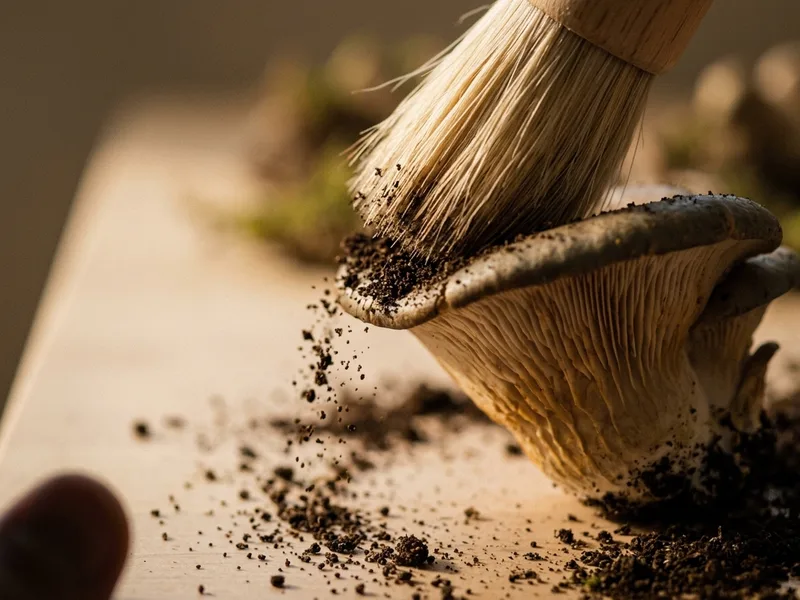
Redecker Natural Pig Bristle Mushroom Brush
Soft enough to take soil off a cap without tearing the skin. Mushrooms absorb water, so brushing dry beats rinsing every time, and anything you plan to dry has to be cleaned this way.
When you buy through our links, it supports our mycology research at no extra cost to you.
Community and Resources
The northern mycological community is small but knowledgeable. Foraging culture is strongest in the Yukon — especially the Whitehorse area, with established commercial morel buyers in burn years.
- Yukon Conservation Society — runs occasional foraging workshops.
- iNaturalist — Filter to Yukon, NWT, or Nunavut to see what's currently fruiting. Critical resource given how few mycologists work in the territories.
- Mushroom Observer — Specialised mushroom platform with some northern participation.
- Inuit traditional knowledge — for tundra species in particular, traditional knowledge holders are the authoritative source. If you're in Nunavut and want to learn about edible tundra fungi, ask locally.
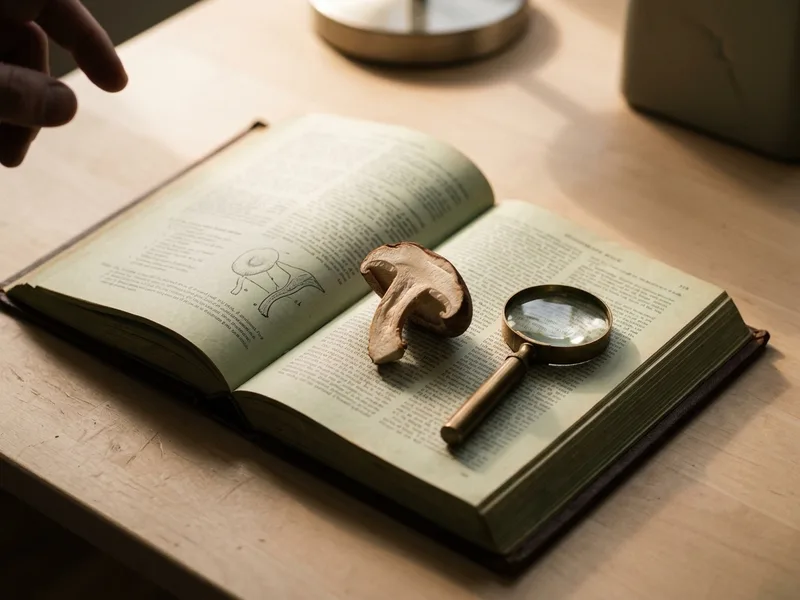
Growing Gourmet and Medicinal Mushrooms
Most people who forage for a season start wondering whether they can grow the same species deliberately. This is the standard cultivation reference, with substrate, spawn and fruiting conditions worked through species by species. A different book from a field guide and worth owning alongside one.
When you buy through our links, it supports our mycology research at no extra cost to you.
Sustainable Foraging in the North
Northern fungi grow slowly. Sustainable harvesting matters more here than in the south because the season is short and the populations are smaller.
- Take only what you'll use.
- Leave a third behind on every patch.
- Don't rake the duff.
- Chaga: harvest sparingly. The conk has been growing for decades — never take more than a third.
- Cut, don't pull.
- Respect First Nations and Inuit harvesting rights and protocols.
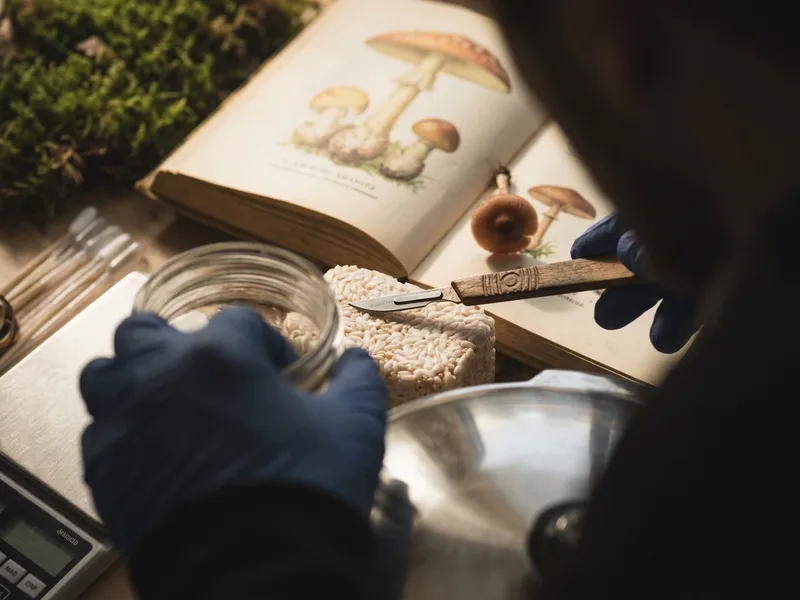
Mushrooms Demystified
The comprehensive North American reference, with keys detailed enough to work through a difficult specimen at the kitchen table. Too heavy for the field, which is why most people own it alongside a pocket guide.
When you buy through our links, it supports our mycology research at no extra cost to you.
Getting Started in the North
- Start with the foolproof species — hedgehogs, shaggy manes, and (with the false-morel feature memorised) burn morels. All have no deadly lookalikes when properly identified.
- For chaga, learn the harvesting protocols before your first take. The Yukon Conservation Society has resources.
- Get the right field guide. Mushrooms of the Boreal Forest by Eugene Bossenmaier is the regional classic.
- Use iNaturalist's territorial feeds to see what's currently fruiting in your region — especially valuable given how few northern mycologists publish field timing data.
- Three independent confirmations before eating any new species — guide + community ID + experienced friend.
If the off-season has you missing fresh mushrooms — and in the north, "off-season" is most of the year — you can grow gourmet species year-round at home. Indoor cultivation runs 12 months even at -40°C outside. Browse our grow kits, grain spawn, and growing supplies. And see our companion guides for the southern provinces: British Columbia, Alberta, Saskatchewan, Manitoba, Ontario, Quebec.